privet honeysuckle Care (Lonicera pileata)

Also known as: box-leaf honeysuckle, box-leaved honeysuckle
privet honeysuckle

About privet honeysuckle

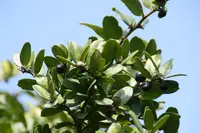
Privet honeysuckle (Lonicera pileata) is a low, spreading evergreen shrub often used as a groundcover or for low hedging. It forms dense, layered branches that create a neat, compact look.

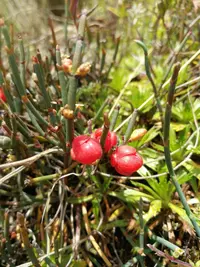
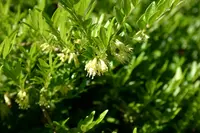
The small, dark green leaves stay on the plant in mild climates, giving year-round structure. In spring, it produces discreet, tube-shaped flowers, followed by purple berries that add subtle interest.

Lonicera pileata originates from central and western China and adapts well to many temperate landscapes. It is valued for being tough, forgiving, and easy to shape, which makes it suitable for beginners.

It generally prefers sun to light shade, reasonably moist but well-drained soil, and minimal pruning, so learning how to care for privet honeysuckle is straightforward for most home gardeners.

Main Plant Requirements

Care Difficulty

Easy Care

Light Preference

Partial Sun

Water Requirements

Moderate Water

Temperature Preference

Cold Hardy

Hardiness Zone

5–8

Soil Texture

Sandy, Loamy, Clay

Soil pH

Acidic (5.5–6.5), Slightly acidic (6.5–7.0)

Soil Drainage

Moist but well-drained

Fertilization

Minimal (feed rarely)

Get Personalized Care Plan

Scan your plant to receive care tips personalized for your specific plant

Available on iOS and Android

How to Care for the privet honeysuckle

This evergreen shrub prefers consistent light conditions to maintain dense foliage and flowering.

  • Provide 4–6 hours of sun daily, with morning sun and light afternoon shade ideal, especially in hotter climates to prevent leaf scorch.
  • Tolerates partial shade, but very deep shade reduces flowering and leads to sparse, open growth in privet honeysuckle hedges.
  • In cooler regions it can handle full sun all day; in summer heatwaves, protect from harsh west-facing exposure with nearby plants or light screening.

This shrub prefers evenly moist but not saturated soil once established.

  • Allow the top 3–5 cm of soil to dry before watering; in typical garden soil this often means deeper watering every 5–10 days during warm, dry periods.
  • Use well-drained soil or raised beds so excess water runs off; persistent soggy soil leads to root rot, yellowing leaves, and dieback in Lonicera pileata.
  • In cool or rainy seasons reduce watering and rely mostly on rainfall, watching for wilting, crisp leaf edges, or early leaf drop as signs of underwatering.

This species is a cold-hardy shrub that also tolerates moderate summer heat.

  • Optimal growth occurs around 55–75°F (13–24°C), with strong root and shoot development in mild spring and fall conditions.
  • Mature plants tolerate winter lows near 0°F (−18°C) once established, though young shrubs benefit from mulch to buffer soil temperature swings.
  • Heat tolerance extends to about 90–95°F (32–35°C) if soil moisture is maintained; prolonged extreme heat with dry soil causes leaf scorch and stress.

This shrub handles a wide humidity range and rarely needs special humidity management outdoors.

Lonicera pileata prefers moderately fertile, well-structured soil that drains freely yet holds some moisture.

  • Use a loamy or sandy-loam base with 20–30% compost to provide organic matter and support root development.
  • Ensure drainage by avoiding heavy, compacted clay; incorporate sharp sand or fine gravel if water lingers after rain or watering.
  • Aim for slightly acidic to neutral pH around 6.0–7.0, as strongly alkaline soils can limit nutrient availability and weaken growth.
  • Improve aeration by mixing in pine bark fines or similar chunky material, and avoid sites where runoff regularly pools.

This species is suitable for container growing when the pot is set up to balance moisture retention and stability.

  • Choose a wide, low container to support its spreading habit and reduce tipping risk in exposed, windy spots.
  • Select a heavy material such as ceramic or concrete if placing the pot on balconies or patios prone to strong gusts.
  • Fill the pot with a free-draining shrub mix and raise it on pot feet so water clears quickly from the drainage holes after rain or irrigation.

This shrub benefits from modest feeding in most garden soils, but heavy fertilization is unnecessary for privet honeysuckle.

  • Apply a balanced slow-release fertilizer (around 10-10-10) in early spring as new growth starts.
  • Use a light rate or half-strength product, especially in fertile or amended beds.
  • Supplement with a thin layer of compost around the drip line to support soil structure and microbes.
  • Avoid feeding in late fall or winter, when growth is dormant and nutrient demand is low.

Pruning Lonicera pileata helps maintain a dense, low hedge and removes weak growth.

  • Time main pruning for late winter or very early spring before fresh growth begins.
  • Use sharp hand pruners or hedge shears to remove dead, damaged, or crossing stems.
  • Shorten long shoots to shape the plant, encouraging bushier growth from lower buds.
  • After flowering, lightly trim if needed to tidy outlines without removing too much current-season growth.

This species is most often grown in the ground, so focus on careful transplanting rather than frequent repotting.

  • Transplant in early spring or early fall when temperatures are mild and soil is workable.
  • Move plants that show slow growth, poor vigor, or are clearly outgrowing their space.
  • Dig a wide root ball, disturbing roots as little as possible and replant at the same depth in well-drained soil.
  • Water thoroughly after planting, then keep soil evenly moist for several weeks to limit transplant shock.

Lonicera pileata is commonly propagated vegetatively to match desirable forms.

  • Take semi-ripe cuttings in late spring to mid-summer, 8–10 cm long, with 2–3 leaf nodes.
  • Insert cuttings into a free-draining mix, keep evenly moist, and maintain high humidity with bright, indirect light.
  • Use simple layering by pegging flexible stems to the soil; sever and transplant once strong roots form.
  • Seeds are possible but slower; provide cold stratification and sow in a well-drained, slightly moist medium.

This evergreen honeysuckle is generally cold hardy in much of the US and needs only modest winter care.

  • Tolerates light to moderate frost once established, especially in well-drained soil.
  • Apply a 5–8 cm mulch layer around the root zone in late fall, keeping it away from the stems.
  • In very cold or exposed sites, use burlap or shrub covers to reduce desiccating winter winds.
  • Container plants in cold regions can be moved to a sheltered, unheated but frost-sheltered location.

Care Tips

Layering Propagation

Pin a low, flexible branch to the soil surface with a U-shaped wire and lightly cover the section with soil to root a new plant in place, then sever and transplant once a firm root system has formed after 1–2 seasons.

Edge Control Trenching

To prevent unwanted spread into beds or lawns, cut a shallow spade trench 5–8 cm deep along the planting edge once a year, removing any outward-facing rooted shoots that try to jump the border.

Snow Load Management

In regions with wet, heavy snow, gently shake or brush accumulation off branches during storms to reduce the risk of splayed, permanently deformed stems in this low, arching shrub.

Targeted Mulch Use

Apply a 5–8 cm ring of organic mulch only over the root zone, keeping it a few cm away from stems, to stabilize soil moisture and temperature while avoiding stem rot and vole damage.

Pest Monitoring Band

Place a light-colored, sticky monitoring band or card near the shrub in late spring to detect early activity of sap-sucking pests such as aphids, allowing treatment to begin before visible distortion of new growth when growing privet honeysuckle.

Common Pests and Diseases

Aphids

This pest feeds on tender new shoots and undersides of leaves, sucking sap and causing curling, distortion, and sticky honeydew that can lead to sooty mold. Infestations are often most noticeable on soft spring growth and in sheltered spots.

Solution

Spray shoots thoroughly with a strong stream of water to dislodge colonies, then treat remaining aphids with insecticidal soap or a ready-to-use horticultural oil, repeating every 5–7 days until controlled. Encourage natural predators such as lady beetles, and avoid high nitrogen fertilization that promotes very soft, aphid-prone growth.

Scale insects

These insects attach to stems and older leaves as small, dome-shaped bumps and extract sap, causing leaf yellowing, thinning foliage, and general decline over time. Heavy infestations may leave sticky honeydew on leaves below.

Solution

Prune out and discard heavily infested twigs, then wipe accessible stems with a cloth or cotton pad dampened with alcohol to remove individual scales. Follow with a horticultural oil spray during the growing season, coating stems and leaf undersides carefully, and repeat according to label directions to target newly hatched crawlers.

Powdery mildew

This disease produces a white to gray powdery coating on leaves, especially in dense, shaded areas with poor air movement. Symptoms include distorted new foliage and premature leaf drop when infection is severe.

Solution

Thin and prune the shrub to improve air circulation and light penetration, and avoid overhead watering late in the day. Remove and discard badly affected leaves, then apply a labeled fungicide for powdery mildew if symptoms persist, treating both upper and lower leaf surfaces.

Leaf spot

This disease causes small brown, tan, or purple spots that may coalesce into larger blotches, sometimes with yellowing and early drop of older leaves. Symptoms include a patchy, uneven canopy appearance, especially after warm, wet periods.

Solution

Rake and discard fallen leaves and prune out the most affected shoots to reduce inoculum. Water at soil level rather than over the foliage and, if leaf spot recurs, use a suitable ornamental shrub fungicide in early spring and after prolonged wet weather as part of broader Lonicera pileata care instructions.

Spider mites

These pests are tiny sap feeders that thrive in hot, dry conditions, causing fine speckling on leaves, a dull or bronzed appearance, and very fine webbing between leaves and stems. Symptoms include general loss of vigor and increased leaf drop during dry spells.

Solution

Increase humidity around the plant by periodic hosing of foliage and keep soil moisture even, then wash leaves with a firm spray of water to reduce mite numbers. For persistent problems, apply insecticidal soap or a labeled miticide, making sure to treat the undersides of leaves and repeating at 5–7 day intervals as needed.

Interesting Facts

Evergreen leaf mat

This species forms a very low, dense, evergreen canopy whose small opposite leaves overlap tightly, creating a continuous mat that suppresses light to the soil surface and strongly reduces competing seedling growth.

Berries for birds

Its glossy purple berries are eaten and dispersed by birds such as thrushes and robins, which helps the plant spread along hedgerows, woodland edges, and urban green spaces.

Chinese slope stabilizer

Native to central and southwestern China, this honeysuckle has been planted widely on banks and slopes because its fibrous, branching root system helps bind soil and reduce surface erosion in managed landscapes.

Botan icon

Did you know?

In some regions outside its native range, this species is considered potentially invasive because its bird-dispersed seeds and shade-tolerant, evergreen growth allow it to escape cultivation and form persistent groundcover in natural or semi-natural habitats.

FAQs about privet honeysuckle

This shrub forms a low, wide mound by layering stems along the ground, so it can spread steadily. It is often used as a ground cover, but in some regions it may be considered invasive outdoors.

Grow Healthy Plants with Botan Care

Keep your plants happy and healthy with plant identification, disease detection, and easy care guidance.

Botan plant care app — identify plants on mobile

Explore More Plants