isu tree Care (Distylium racemosum)

isu tree

About isu tree

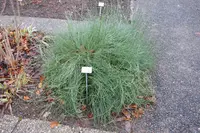
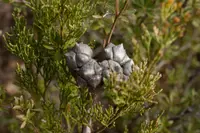
Distylium racemosum, commonly called isu tree, is an evergreen shrub or small tree from East Asia, especially Japan and Korea. It belongs to the witch-hazel family and forms dense, rounded growth with many fine branches.

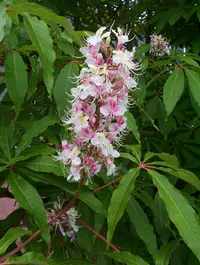
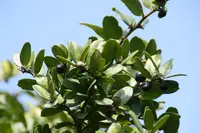
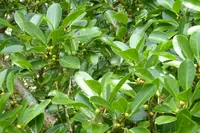
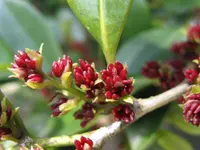
The foliage is small, leathery, and dark green, giving the plant a tidy, structured look suitable for hedges and foundation plantings. Inconspicuous reddish flowers appear on bare wood in late winter or early spring.

This species is valued in gardens for its durability, tolerance of pruning, and resistance to many pests and diseases, which makes it relatively easy to manage. To care for isu tree, gardeners usually choose a site with moderate light, well-drained soil, and steady moisture without waterlogging.

Main Plant Requirements

Care Difficulty

Easy Care

Light Preference

Partial Sun

Water Requirements

Moderate Water

Temperature Preference

Warm Climate

Hardiness Zone

7–9

Soil Texture

Sandy, Loamy, Clay

Soil pH

Acidic (5.5–6.5), Slightly acidic (6.5–7.0)

Soil Drainage

Moist but well-drained

Fertilization

Minimal (feed rarely)

Get Personalized Care Plan

Scan your plant to receive care tips personalized for your specific plant

Available on iOS and Android

How to Care for the isu tree

Distylium racemosum performs best with bright light and moderate sun exposure.

  • Provide 4–6 hours of sun daily, ideally with morning sun and light afternoon shade, especially in hotter regions.
  • Plant in a position with partial shade or filtered light; isu tree tolerates more shade but growth may be looser and flowering reduced.
  • Monitor foliage for stress: leaf scorch or bronzing indicates too much intense afternoon sun, while sparse, elongated shoots suggest insufficient light.

Distylium racemosum prefers evenly moist, well-drained soil once established.

  • Allow the top 3–5 cm of soil to dry before deep watering, then wet the root zone thoroughly rather than giving frequent shallow drinks.
  • Reduce watering in cool seasons when growth slows, but do not allow prolonged dryness that causes leaf curl or brittle stems.
  • Improve drainage with organic matter; watch for yellowing leaves or persistent wilting as signs of overwatering and potential root decline.

This species handles a broad temperature range but grows best in mild, stable conditions.

  • Aim for 60–80°F (16–27°C) during active growth, where shoot and root development remain steady.
  • Mature plants tolerate down to about 5–10°F (-15 to -12°C) with some leaf damage; younger plants are more vulnerable to hard frost.
  • In summer, plants cope with 90–95°F (32–35°C) if soil moisture is maintained and roots are mulched; avoid reflected heat from paving or walls.

Humidity is not a major concern for Distylium racemosum, which adapts well to typical outdoor conditions.

Distylium racemosum prefers moderately moist, well-drained mineral soils with some organic content.

  • Use a loamy or sandy loam soil that holds moisture but does not stay waterlogged.
  • Aim for slightly acidic to neutral pH, around 5.5–7.0, to support nutrient uptake.
  • Incorporate 20–30% compost plus bark fines to increase organic matter and structure without clogging pores.
  • Avoid heavy, compacted clay or low-lying spots where water collects and oxygen around roots is limited.

This species can adapt well to container growing when given enough root space and stable moisture.

  • Choose a broad, heavy container to counter the shrub’s spreading habit and reduce tipping in wind.
  • Use a deep pot to accommodate its fibrous root system and buffer against rapid drying between waterings.
  • Select a thick-walled ceramic or resin pot to moderate temperature swings around roots on exposed patios.

Distylium racemosum is modest in its nutrient needs but responds well to light feeding in nutrient-poor soils.

  • Apply a balanced slow-release fertilizer (around 10-10-10) once in early spring as new growth begins.
  • Use a thin layer of compost around the root zone to improve soil structure and microbial activity.
  • In normal garden soil, avoid more than 1 light feeding per year to prevent excessive, weak growth.
  • Stop feeding isu tree by late summer and do not fertilize in winter dormancy to avoid tender, frost-prone shoots.

Distylium racemosum benefits from light, structured pruning rather than heavy cutting.

  • Carry out main pruning in late winter to early spring before active growth starts.
  • Use clean bypass pruners to remove dead, diseased, or crossing branches back to a healthy junction.
  • Thin congested interior shoots to improve airflow and maintain a balanced, layered outline.
  • Shorten overly long shoots slightly to refine shape without cutting back into bare, old wood.

This species is usually grown in the ground, so focus on careful transplanting rather than frequent repotting.

  • Transplant in early spring or early fall when conditions are cool and soil is moist but not waterlogged.
  • Move plants when growth slows, roots circle the pot, or the shrub becomes unstable in its container.
  • Shift to a hole 2–3 times wider than the root ball, setting the root flare at existing soil level.
  • Water deeply after planting, then keep soil evenly moist and shaded for 2–3 weeks to limit root stress.

Distylium racemosum is most commonly propagated by semi-hardwood cuttings and layering for consistent traits.

  • Take semi-hardwood cuttings in late summer, 7–10 cm long, from healthy, non-flowering shoots.
  • Remove lower leaves, dip the base in rooting hormone, and insert into a free-draining, moist medium.
  • Maintain high humidity and gentle bottom warmth around 70–75°F with bright, indirect light.
  • For layering, bend a flexible shoot to the ground, wound slightly, peg into soil, and sever once well rooted.

This shrub is generally cold hardy in mild to moderate climates and needs only simple winter care.

  • Tolerates light to moderate frost once established but benefits from shelter from strong, drying winds.
  • Apply 5–8 cm of organic mulch around the root zone, keeping it slightly away from the main stem.
  • For young or container plants, move pots to a protected, unheated space or wrap containers with insulating material.

Care Tips

Wind-resistant shaping

In the first 2–3 years, selectively tip-prune long, whippy shoots after spring flush to create a low, dense framework that resists wind rock and reduces limb breakage as the plant matures.

Salt and spray buffer

In coastal sites, plant 30–60 cm back from paths or walls and use a 5–8 cm mulch band to limit salt splash onto lower foliage and keep the root zone more stable under drying sea winds.

Layering for clones

To propagate sturdy clones for hedging, pin a flexible, low branch into shallow soil with a wire peg, keep the area evenly moist through one growing season, then sever and transplant once roots are well formed.

Snow and ice management

In regions with wet snow or ice, gently brush accumulation off branches with an upward motion during thaws to prevent splaying and structural damage, especially on multi-stemmed shrubs.

Targeted structural thinning

Every 2–3 years, remove a few older interior branches at the base rather than shearing the outer shell, which improves light penetration, air movement, and long-term framework when growing isu tree.

Common Pests and Diseases

Leaf spot

This disease causes small brown to purple spots that may merge into larger irregular patches, sometimes with a yellow halo on older foliage. Symptoms include premature leaf drop when plants are stressed or crowded.

Solution

Remove and dispose of heavily spotted leaves, then thin dense growth to improve air circulation and allow foliage to dry more quickly. Avoid overhead watering, keep mulch off the stems, and if spotting is severe and spreading, use a labeled broad‑spectrum fungicide during warm, wet periods as part of Distylium racemosum care.

Phytophthora blight

This disease leads to sudden wilting, darkening of lower stems, and dieback of shoots, often following periods of saturated soil. Symptoms include poor new growth and branch death starting from the base upward.

Solution

Improve drainage, avoid overwatering, and never allow the root zone to remain waterlogged; raise beds or amend soil with coarse material if needed. Prune out and destroy affected stems well below discolored tissue and consider a phosphite or other Phytophthora‑targeted fungicide drench if confirmed by a local extension or plant clinic.

Scale insects

These insects appear as small, rounded or oval bumps on stems and leaf undersides and may excrete sticky honeydew. Symptoms include reduced vigor, sparse new growth, and sometimes sooty mold growing on the honeydew.

Solution

Prune out and discard heavily infested twigs, then wipe or gently scrub remaining scales from accessible stems. For larger plants, apply a horticultural oil spray that thoroughly coats branches and leaf undersides during mild weather, or use a labeled systemic insecticide if infestations are persistent.

Spider mites

This pest causes fine speckling or stippling on leaves, which may turn dull, bronzed, or drop prematurely in hot, dry conditions. Fine webbing may be visible between leaves and stems when populations are high.

Solution

Increase humidity around plants and wash foliage thoroughly with a strong but gentle stream of water, focusing on leaf undersides, repeating weekly until activity declines. If mites persist, use insecticidal soap or a horticultural oil labeled for mites, applied in the early morning or evening to avoid leaf burn.

Interesting Facts

Evergreen in warm climates

This species keeps its small, leathery leaves year-round in its native mild climates of Japan, Korea, and China, forming dense, glossy foliage even through winter.

Shade-tolerant forest shrub

In the wild it often grows as an understory shrub or small tree in warm-temperate evergreen forests, showing good tolerance of partial shade beneath taller canopy trees.

Subtle winter flowering

Its small, apetalous flowers lack showy petals and appear in raceme-like clusters on bare twigs from late winter to early spring, providing early nectar and pollen for insects.

Botan icon

Did you know?

Wood from this species is very dense and fine-grained and has been traditionally used in parts of East Asia for detailed woodcraft and small tools where strength and durability in a compact piece of timber are important.

FAQs about isu tree

This species grows at a slow to moderate rate, often adding 10–25 cm of new growth per year under good conditions. In cooler or drier sites growth slows, while consistent moisture and fertile soil encourage steadier development when growing isu tree.

Grow Healthy Plants with Botan Care

Keep your plants happy and healthy with plant identification, disease detection, and easy care guidance.

Botan plant care app — identify plants on mobile

Explore More Plants