Coral Bells Care (Heuchera 'Plum Pudding')

About Coral Bells

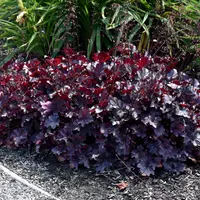
Coral bells Heuchera 'Plum Pudding' is a hardy, compact perennial grown mainly for its foliage rather than its flowers. It forms neat mounds of ruffled, plum-purple leaves with a silvery sheen, adding strong color contrast in beds and containers.

This cultivar originates from hybrids of North American woodland species, so it is naturally adapted to partial shade and cool, well-drained soils rich in organic matter. Small airy flower spikes appear above the foliage, attracting pollinators without needing heavy maintenance.

Its clump-forming habit, moderate growth rate, and tolerance of a range of garden conditions make it suitable for beginners learning how to care for Coral Bells. With stable conditions and reasonable drainage, it usually stays attractive through most of the growing season.

Main Plant Requirements

Care Difficulty

Moderate Care

Light Preference

Partial Shade

Water Requirements

Moderate Water

Temperature Preference

Cold Hardy

Hardiness Zone

4–9

Soil Texture

Loamy, Sandy, Organic-rich

Soil pH

Acidic (5.5–6.5), Slightly acidic (6.5–7.0)

Soil Drainage

Moist but well-drained

Fertilization

Light (every 4–6 weeks)

Get Personalized Care Plan

Scan your plant to receive care tips personalized for your specific plant

Available on iOS and Android

How to Care for the Coral Bells

This cultivar prefers bright conditions with some protection from harsh midday sun.

  • Provide 3–5 hours of morning sun with light or dappled shade in the afternoon to preserve leaf color and prevent scorch.
  • In hotter climates, place Coral Bells where it receives filtered light under high-branching shrubs or trees, especially from 12–4 pm.
  • Watch foliage: bleaching, crispy edges, or wilting by midday suggest too much direct sun, while dull, stretched growth indicates insufficient light.

This plant prefers evenly moist but never waterlogged soil.

  • Water when the top 2–4 cm of soil feels dry, soaking the root zone and allowing excess to drain away completely.
  • Use a well-drained, organic-rich soil; puddling on the surface or a sour smell suggests poor drainage and potential root rot.
  • During cool seasons reduce frequency, but in summer heat increase checks for dry soil; wilting with dry soil suggests underwatering, while yellowing, mushy crowns suggest overwatering in Heuchera 'Plum Pudding'.

This hardy perennial tolerates a broad temperature range in garden beds.

  • Best growth occurs around 60–75°F (16–24°C), with stable conditions supporting strong foliage color and steady root development.
  • Mature plants typically survive winter down to about -20°F (-29°C) under mulch, but freeze–thaw cycles around 25–35°F (-4–2°C) can heave crowns from the soil.
  • In summer, plants handle up to about 85–90°F (29–32°C) if soil stays slightly moist and roots are shaded; above this, afternoon shade and mulch reduce heat stress.

Humidity plays only a minor role for Heuchera 'Plum Pudding' in typical outdoor conditions.

  • Performs well in 30–60% humidity, which covers most outdoor and porch environments.
  • Tolerates relatively dry air if soil moisture is kept steady and roots do not fully dry out.
  • Watch for crisp leaf edges and stalled growth as signs of combined drought and low humidity stress, especially in hot, windy sites.

Heuchera 'Plum Pudding' prefers a loose, moist but fast-draining mineral-organic soil.

  • Aim for a loamy mix with 30–50% compost, some garden soil, and coarse material such as perlite or fine bark for structure.
  • Ensure sharp drainage; soil should stay slightly moist after watering but not remain soggy for more than a few hours.
  • Target a slightly acidic to neutral pH around 6.0–7.0 for best nutrient availability and root activity.
  • Avoid heavy clay that compacts, standing water, and pure sand mixes that dry out too fast and restrict steady root growth.

This cultivar is very suitable for container growing on patios, balconies, and shaded entrances.

  • Choose a wide, shallow to medium-depth pot to allow fibrous roots to spread while keeping the crown close to the surface.
  • Use a heavier or weighted container in windy spots so the leafy mound does not tip the pot as it matures.
  • Combine a freely draining mix with a slightly raised pot base so water can exit quickly and not pool under the root zone.

Heuchera 'Plum Pudding' benefits from modest, balanced feeding to maintain foliage color and steady growth.

  • Apply a balanced, slow-release fertilizer (around 10-10-10) or well-rotted compost once in early spring as new growth starts.
  • In mid-summer, give a light supplemental feeding if growth or leaf color fades, especially in poor soil.
  • Use fertilizers at 1/2 strength for container-grown Coral Bells to avoid root burn and salt buildup.
  • Stop feeding in late summer to early fall so plants can harden off before winter dormancy.

Pruning Heuchera 'Plum Pudding' keeps the clump tidy and supports fresh foliage and flowering.

  • In early spring, remove dead or damaged leaves and old flower stalks with clean hand pruners or scissors.
  • Trim congested or floppy outer leaves to improve air flow and maintain a compact mound shape.
  • After flowering, cut spent bloom spikes down to the base to encourage more foliage and sometimes rebloom.
  • In late fall, tidy only obviously dead material, leaving most healthy leaves to protect the crown over winter.

Transplanting or dividing Heuchera 'Plum Pudding' every few years keeps plants vigorous and prevents woody centers.

  • Look for signs such as crowded crowns, bare centers, or slow growth before planning to lift and move clumps.
  • Transplant or divide in early spring or early fall when temperatures are mild and soil is moist but not waterlogged.
  • Replant divisions at the same depth, keeping the crown just at soil level to avoid rot and stress.
  • Water thoroughly after transplanting, then keep soil evenly moist and shaded for 7–10 days until the roots re-establish.

Heuchera 'Plum Pudding' is most commonly propagated by division to maintain the exact cultivar traits.

  • Divide mature clumps in early spring or early fall when temperatures are cool and soil is workable.
  • Lift the plant, gently shake off soil, and separate crowns, ensuring each division has several healthy roots.
  • Replant divisions promptly at original depth in well-drained soil, spacing them to allow good air flow.
  • Water consistently and provide light shade until new growth appears, indicating that divisions have rooted.

This heuchera is generally cold hardy but benefits from simple winter care, especially in colder regions or containers.

  • In late fall, apply a 5–7 cm layer of mulch around the root zone, keeping it slightly away from the crown.
  • Leave most healthy foliage through winter to shield the crown from freeze-thaw cycles.
  • For containers, move pots to a sheltered, unheated but frost-sheltered spot, such as a garage or against a house wall.
  • Check soil occasionally and water lightly during dry, above-freezing periods so roots do not fully dry out.

Care Tips

Crown protection

Set plants so the crown sits just at or slightly above soil level and avoid piling mulch against it, which reduces crown rot risk and helps the foliage persist through winter.

Midseason rejuvenation

If foliage becomes leggy or tired by midsummer, lightly shear back the oldest leaves and side-dress with compost to stimulate a fresh flush of compact growth.

Division timing

Plan to divide clumps every 3–4 years in early spring or early fall, replanting only firm, healthy sections of crown to maintain vigor and decorative leaf color.

Winter heave control

In cold climates with freeze–thaw cycles, apply a 2–5 cm layer of loose mulch after the ground freezes to reduce frost heaving and check plants in late winter to gently firm any lifted crowns back into place.

Slug and vine weevil checks

Inspect the base of plants and undersides of leaves regularly for slug damage and vine weevil notching, using physical removal, traps, and targeted controls as part of caring for Coral Bells in shaded beds.

Common Pests and Diseases

Vine weevils

This pest feeds on foliage as adults, while larvae in the soil chew off roots and crowns, causing sudden wilting or collapse of plants. Symptoms include notched leaf edges and plants that fail quickly despite adequate water.

Solution

Inspect leaves at night and hand-pick adult beetles, and use targeted biological controls such as nematodes in moist soil to reduce larvae populations. Remove and destroy severely affected plants and replace potting mix, then monitor nearby heucheras closely as part of long-term Heuchera 'Plum Pudding' care instructions.

Heuchera rust

This disease causes small yellow spots that develop into orange-brown pustules, usually on the undersides of leaves, leading to premature leaf drop and loss of vigor. Symptoms include patchy, discolored foliage that looks dusty or speckled.

Solution

Remove and discard infected leaves promptly and avoid overhead watering to keep foliage dry. Improve spacing and airflow around clumps, and if the problem persists, apply a labeled fungicide for rust diseases according to instructions while continuing to remove badly affected foliage.

Powdery mildew

This disease produces a white or gray powdery coating on leaves, which can cause distortion, browning, and reduced plant vigor in humid, stagnant conditions. Symptoms include dulled leaf color and a dusty film that rubs off on fingers.

Solution

Increase air circulation, avoid crowding plants, and water at the base so leaves dry quickly. Remove the worst-affected leaves and, if needed, use a sulfur or potassium bicarbonate-based fungicide labeled for powdery mildew, following label directions carefully.

Leaf spot

This disease causes small, water-soaked or brown spots on leaves that may enlarge and merge, giving foliage a tattered, scorched appearance. Symptoms include irregular blotches and weakened leaves that yellow and die back early.

Solution

Remove and discard affected leaves, keep mulch and soil splash off the foliage, and water at soil level rather than from above. Improve drainage and airflow, and for recurring problems, use a suitable ornamental-foliage fungicide and rotate products to reduce resistance risk.

Aphids

These insects cluster on tender stems and leaf undersides, sucking plant sap and excreting sticky honeydew that can lead to sooty mold. This pest may cause distorted new growth and reduced vigor, especially on stressed plants.

Solution

Spray foliage with a strong stream of water to dislodge colonies, then treat remaining clusters with insecticidal soap or horticultural oil, ensuring thorough coverage of leaf undersides. Encourage or introduce natural predators such as lady beetles and avoid high nitrogen fertilization that promotes soft, aphid-prone growth.

Interesting Facts

Metallic foliage pigments

The leaves show a stable metallic silver overlay caused by dense epidermal cells and reflective leaf surface patterns, which enhances light capture in partly shaded sites and makes the purple coloration appear more vivid than in many other Heuchera cultivars.

Stable purple coloration

This cultivar was selected for its ability to retain deep purple foliage across seasons in many temperate gardens, whereas several related purple-leaved heucheras tend to fade toward green or bronze under higher light or summer heat.

Hybrid garden ancestry

Heuchera 'Plum Pudding' is a complex garden hybrid derived mainly from North American woodland species, combining shade tolerance and cold hardiness with ornamental foliage traits that are not found together in any single wild Heuchera species.

FAQs about Coral Bells

Brown leaf edges usually come from drought stress, excess sun, or fertilizer burn. Check soil moisture, provide some shade in hotter climates, and avoid heavy salt-based fertilizers. Remove worst leaves to reduce stress and improve appearance.

Grow Healthy Plants with Botan Care

Keep your plants happy and healthy with plant identification, disease detection, and easy care guidance.


Botan plant care app — identify plants on mobile

Explore More Plants