Control Underground Spread
Install a shallow root barrier 10–15 cm deep around beds to keep stolons and rhizomes from invading lawns or neighboring plantings while still allowing a dense patch to form inside the boundary.

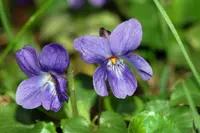
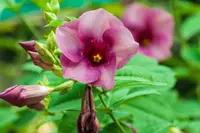
Wood violet, Viola odorata, is a small perennial groundcover known for its heart-shaped leaves and fragrant purple or white spring flowers. It spreads gently by runners, forming soft, low mats. Native to Europe and parts of Asia, it often grows in woodland edges, shady lawns, and old gardens. The plant is generally undemanding and can naturalize where conditions suit it. It prefers light shade, consistently moist soil, and protection from intense heat. Once established, it is considered easy for gardeners who want to care for Wood violet in mixed borders, under shrubs, or in woodland-style plantings.

Care Difficulty
Easy Care

Light Preference
Partial Shade

Water Requirements
Regular Water

Temperature Preference
Cold Hardy

Hardiness Zone
4–9

Soil Texture
Loamy, Silty, Organic-rich

Soil pH
Acidic (5.5–6.5), Slightly acidic (6.5–7.0)

Soil Drainage
Moist but well-drained

Fertilization
Minimal (feed rarely)
Scan your plant to receive care tips personalized for your specific plant
Available on iOS and Android
Sweet violet prefers cool, soft light that mimics a woodland edge environment.
This species needs consistently moist but not waterlogged soil to flower and spread well.
This cool-season perennial prefers mild conditions and tolerates light frost once established.
This species grows well in typical home humidity but prefers slightly moist air.
Soil should stay evenly moist, airy, and rich in organic matter for steady growth.
This species is well suited to container growing on patios, balconies, and shaded steps.
Viola odorata benefits from light, balanced feeding but can survive in modest soils.
Thoughtful pruning keeps Viola odorata dense, tidy, and flowering well.
This species is more often transplanted in the garden than repotted in containers.
Viola odorata is commonly propagated by division, self-sown seed, and short runners.
This species is generally cold hardy and needs minimal winter attention in most temperate climates.

Plant Health Check
Not sure what's wrong with your plant? Check your plant's health inside the app.
This species often flowers in very early spring, sometimes while light frosts still occur, because its buds form low to the ground where they are protected by foliage and leaf litter.
Unlike many related violets, this plant is strongly scented due to compounds such as ionones, which temporarily desensitize smell receptors and can make the fragrance seem to fade after a short time.
Its seeds have a small, fatty appendage called an elaiosome that attracts ants, which carry the seeds away and help spread the plant in a process known as myrmecochory.

In several European countries, this species has a long cultural history as a symbol of modesty and hidden love, and was used extensively in traditional perfumery for its distinctive sweet fragrance long before synthetic violet aroma compounds became available.
Lack of flowers usually comes from insufficient light, depleted soil nutrients, or overcrowded clumps. Divide congested plants, refresh soil with balanced fertilizer, and ensure steady moisture. Avoid heavy cutting of foliage just before the main spring flowering period.
Keep your plants happy and healthy with plant identification, disease detection, and easy care guidance.