Ligularia wilsoniana Care

Ligularia wilsoniana

About Ligularia wilsoniana

Ligularia wilsoniana is a hardy, clump-forming perennial grown mainly for its bold foliage and tall flower spikes. It belongs to the daisy family but is valued more for structure than showy blooms.

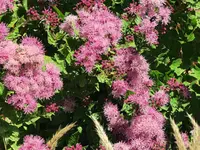
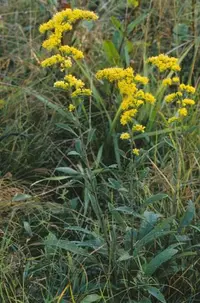
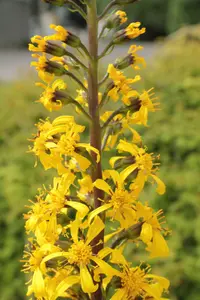
The plant typically has large, deeply lobed leaves and produces upright stems with small yellow flowers held in long clusters. It naturally occurs in moist, cool mountain habitats in China.

In gardens, it suits shaded borders, damp spots, and areas near water, where soil stays consistently moist and rich in organic matter. Once planted in the right conditions, it is moderately easy to maintain, but dry or hot sites make how to care for Ligularia wilsoniana more challenging.

Main Plant Requirements

Care Difficulty

Moderate Care

Light Preference

Partial Shade

Water Requirements

Keep Soil Moist

Temperature Preference

Cold Hardy

Hardiness Zone

4–8

Soil Texture

Loamy, Clay, Organic-rich

Soil pH

Acidic (5.5–6.5), Slightly acidic (6.5–7.0)

Soil Drainage

Moist but well-drained

Fertilization

Light (every 4–6 weeks)

Get Personalized Care Plan

Scan your plant to receive care tips personalized for your specific plant

Available on iOS and Android

How to Care for the Ligularia wilsoniana

This moisture-loving perennial prefers cool, bright conditions with protection from harsh sun.

  • Provide partial shade with 2–4 hours of gentle morning sun and bright, dappled light for the rest of the day.
  • Avoid strong midday and afternoon sun, which can scorch leaves and cause wilting, especially in dry or windy spots.
  • In hotter summers, increase shade and mulch the soil so Ligularia wilsoniana keeps firm foliage despite higher light intensity.

This plant needs consistently moist soil and does poorly if it dries out deeply.

  • Aim for soil that feels evenly damp; the top 1–2 cm should not dry out fully between waterings in the growing season.
  • Irrigate more often in hot, windy weather and slightly less in cool, rainy periods, watching for drooping leaves as a sign of thirst.
  • Use rich, well-drained yet moisture-retentive soil; yellowing, limp foliage may suggest overwatering or waterlogged conditions.

This hardy perennial prefers cool to mild conditions and tolerates winter cold once established.

  • Best growth occurs around 60–75°F (16–24°C), with steady soil moisture supporting large leaves in this range.
  • Mature plants usually tolerate down to about 0–5°F (-18 to -15°C) with mulching; foliage dies back but crowns typically survive.
  • Prolonged heat above 85°F (29°C) can cause wilting and leaf scorch, so provide extra shade, mulch, and reliable moisture during hot spells.

This species prefers consistently moist, cool air but tolerates typical outdoor humidity in temperate gardens.

  • Aim for 50–70% humidity, especially in hot regions, to reduce leaf wilting and edge scorch.
  • Watch for drooping, crisping leaf margins, and faster afternoon wilt as signs of low humidity stress combined with heat.
  • Increase local humidity outdoors by mulching heavily, grouping plants, and using nearby water features or dense companion planting.

Ligularia wilsoniana performs best in deep, moisture-retentive but aerated soil with high organic content.

  • Use a loamy structure with 40–60% organic matter such as compost and leaf mold to hold moisture without becoming waterlogged.
  • Ensure slow, steady drainage; soil should feel evenly damp after watering but not sticky or puddled 30 minutes later.
  • Aim for slightly acidic to neutral pH around 6.0–7.0, avoiding strongly alkaline or compacted clay that restricts root growth.
  • Improve aeration and drainage by working in coarse compost, fine bark, and a small amount of grit in heavy or dense sites.

This species can be grown in large outdoor containers if moisture and stability are carefully managed.

  • Choose a wide, deep pot (at least 35–45 cm across) to support the tall stems and extensive, moisture-loving root system.
  • Select a heavy material such as ceramic or thick-walled terracotta to prevent tipping in wind and to buffer temperature swings.
  • Use a moisture-retentive mix in the upper zone and a slightly coarser layer near the base to balance water holding with drainage.

Healthy, moist soil with added organic matter supports strong growth in Ligularia wilsoniana without heavy feeding.

  • Apply a thin layer of compost or well-rotted manure around the root zone each spring to refresh nutrients.
  • Use a balanced slow-release fertilizer (around 10-10-10) at half label rate once in early spring for plants in poor soil.
  • Avoid additional feeding after midsummer to prevent soft, frost-tender growth later in the season.
  • Do not fertilize in winter or dormancy; maintain moisture and soil structure instead.

Ligularia wilsoniana benefits from light, targeted pruning to maintain vigor and appearance.

  • In late winter or very early spring, cut back old, dead foliage at the base using clean, sharp pruners.
  • Remove damaged, diseased, or badly chewed leaves during the growing season to limit stress and disease spread.
  • Deadhead spent flower spikes near the base if a tidier look is desired, or leave some for seed and wildlife.
  • Thin crowded clumps by removing a few outer shoots, which improves air flow and reduces foliar disease risk.

This species is usually grown in the ground, so focus on dividing and transplanting mature clumps rather than frequent repotting.

  • Plan division or transplanting for early spring or early fall when temperatures are mild and soil is moist.
  • Look for congested crowns, reduced flowering, or poor center growth as signs the clump needs lifting and splitting.
  • Lift the clump with a spade, gently tease or cut into sections with healthy roots, and replant at original depth.
  • Water thoroughly after transplanting, provide shade and consistent moisture for 1–2 weeks, and avoid high-nitrogen feed during recovery.

Ligularia wilsoniana is most reliably propagated by division, with seeds used mainly for breeding or patient growers.

  • Divide established clumps in early spring just as new growth emerges, working in cool, moist conditions.
  • Use a sharp spade or knife to separate sections with several buds and a good root mass, discarding woody centers.
  • Replant divisions promptly into rich, moist soil, firm in gently, and water well to remove air pockets.
  • For seed, sow fresh in autumn in pots outdoors; allow natural chilling, then keep evenly moist for slow germination.

This hardy perennial tolerates typical cold winters in much of the US but benefits from simple root-zone protection in colder regions.

  • After hard frost, allow foliage to die back, then cut it to ground level to reduce disease carryover.
  • Apply a 5–8 cm layer of organic mulch over the root zone in late fall, keeping mulch just off the crowns.
  • In very cold or exposed sites, increase mulch depth and avoid waterlogged soil that can cause crown rot.

Care Tips

Summer shade cloth

In very hot climates, use a 30–40% shade cloth over the planting area during afternoon hours in midsummer to prevent leaf scorch and sudden wilting of the large foliage.

Consistent soil moisture band

Install a simple drip line or soaker hose in a ring 20–30 cm from the crown so the root zone stays evenly moist without waterlogging the crown itself.

Mulch for cool roots

Apply a 5–8 cm layer of shredded bark or composted leaf mold each spring, keeping it a few centimeters away from the stems, to keep roots cool and reduce moisture fluctuations when caring for Ligularia wilsoniana.

Wind protection planning

Plant near a low hedge, fence, or taller perennials that break strong winds so the tall flower spikes stay upright and are less likely to snap in storms.

Slug and snail barrier

Set a 5–10 cm wide ring of sharp grit or crushed horticultural pumice around the base in early spring to deter slugs and snails from shredding the new leaves.

Common Pests and Diseases

Slugs and snails

These pests are strongly attracted to the large, tender leaves and can skeletonize foliage, especially in damp, shaded plantings. Symptoms include irregular holes, slime trails, and severely tattered leaves.

Solution

Hand-pick at dusk or early morning, use iron phosphate slug pellets according to label directions, and set up beer or yeast traps as a non-chemical option. Reduce hiding spots by clearing dense debris near crowns and use copper tape or rough barriers around small planting areas when caring for Ligularia wilsoniana outdoors.

Powdery mildew

This disease appears as white, powdery patches on the upper leaf surface, often during warm days with cool, humid nights. Symptoms include dull, distorted leaves and reduced vigor later in the season.

Solution

Remove and dispose of heavily infected leaves to reduce spore load, and avoid overhead watering so foliage dries quickly. Improve airflow by thinning crowded clumps and nearby plants, and if the problem is recurrent, apply a labeled fungicide such as sulfur or potassium bicarbonate early in the season when spots first appear.

Leaf spot

This disease causes small, brown to black spots that may merge into larger dead patches, often starting on older, lower leaves in moist conditions. Symptoms include yellow halos around spots and premature leaf drop.

Solution

Promptly remove and discard affected leaves, especially those touching the soil surface, and water at the soil level to keep foliage dry. Improve spacing and air movement, and in severe or recurring cases use a broad-spectrum fungicide labeled for ornamental perennials, applying before long wet periods.

Aphids

These insects cluster on young stems and undersides of leaves, sucking sap and causing curling, distortion, and sticky honeydew deposits. This pest can also encourage sooty mold growth on the leaf surface.

Solution

Spray colonies off with a strong stream of water, focusing on shoot tips and leaf undersides, and pinch off heavily infested soft growth. For persistent infestations, use insecticidal soap or a light horticultural oil, applied thoroughly and repeated as needed according to label directions.

Vine weevils

These insects feed as adults on leaf edges, causing neat U-shaped notches, while larvae chew roots and crowns, leading to wilting and poor growth. Symptoms include stunted plants that fail to recover even in cool, moist soil.

Solution

Inspect leaves at night and hand-collect adult beetles from foliage and nearby structures. In containers or small beds, apply entomopathogenic nematodes targeting vine weevil larvae in late summer or early fall, and avoid keeping soil constantly saturated, which can support higher larval survival.

Interesting Facts

Tall architectural spikes

This species produces very tall, upright flowering stems that can rise well above the foliage, creating strong vertical lines in damp borders and woodland-style plantings.

Moisture-demanding habitat

It is naturally associated with consistently moist to wet soils, so in cultivation it performs best near water features or in sites that mimic streamside or boggy conditions.

Cool-summer preference

The plant shows best vigor and foliage quality in regions with relatively cool summers, as prolonged high heat and drought quickly lead to wilting and leaf scorch.

FAQs about Ligularia wilsoniana

This species forms clumps and can slowly enlarge outward, but it is not generally considered aggressive. It spreads by short rhizomes and self-seeding; division or deadheading helps manage size and keep it within its allotted space.

Grow Healthy Plants with Botan Care

Keep your plants happy and healthy with plant identification, disease detection, and easy care guidance.

Botan plant care app — identify plants on mobile

Explore More Plants