hyssop Care (Hyssopus officinalis)

hyssop

About hyssop

Hyssop, Hyssopus officinalis, is a compact, woody-based perennial herb from dry, rocky regions of southern Europe and western Asia. It belongs to the mint family and has a naturally bushy, upright habit.

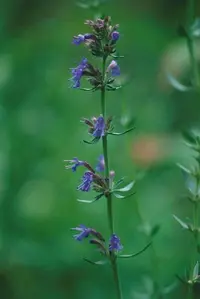
Plants carry narrow, aromatic leaves and produce spikes of blue, pink, or white flowers that attract bees and other pollinators. The foliage has a strong, resinous scent often used in traditional herb gardens.

Hyssop is generally easy to grow when given full sun, good air movement, and well-drained, relatively poor soil. Those conditions are the basic foundation for how to care for hyssop.

Main Plant Requirements

Care Difficulty

Easy Care

Light Preference

Full Sun

Water Requirements

Low Water

Temperature Preference

Cold Hardy

Hardiness Zone

4–9

Soil Texture

Sandy, Loamy, Rocky

Soil pH

Slightly acidic (6.5–7.0), Slightly alkaline (7.0–7.5)

Soil Drainage

Well-drained

Fertilization

Minimal (feed rarely)

Get Personalized Care Plan

Scan your plant to receive care tips personalized for your specific plant

Available on iOS and Android

How to Care for the hyssop

This Mediterranean herb needs strong sun to build dense, aromatic foliage and flowers.

  • Provide 6–8 hours of direct sun daily; full sun all day is ideal in mild to moderate climates.
  • In hot summers, aim for morning sun with light afternoon shade to limit leaf scorch and drying of shallow roots.
  • It tolerates light partial shade (around 4–5 hours sun), but flowering and oil content decrease and stems may stretch.

This woody perennial prefers dry to moderately moist soil rather than constant moisture.

  • Water only when the top 3–5 cm of soil are dry; allow the soil surface to dry between waterings to mimic its native conditions.
  • Use very well-drained soil; puddling, sour smell, or blackened roots indicate overwatering and risk of root rot in Hyssopus officinalis.
  • In cooler seasons reduce watering frequency; in hot, windy weather, watch for dull, drooping foliage as a cue to water.

This hardy subshrub handles a wide range of outdoor temperatures once established.

  • Optimal growth occurs around 65–80°F (18–27°C), supporting strong vegetative growth and flower production.
  • Mature plants tolerate winter lows near 0°F (−18°C) with good drainage; mulch crowns lightly where winters are colder or variable.
  • In summer, it tolerates heat up to about 95°F (35°C) if soil is not waterlogged; prolonged extreme heat with drought can reduce flowering.

Humidity is rarely critical for hyssop, which thrives in relatively dry air.

Hyssopus officinalis prefers lean, well-drained, slightly alkaline soil that does not stay wet.

  • Use a sandy or gritty loam with low to moderate organic matter to prevent waterlogging.
  • Aim for pH 6.5–8.0; add a small amount of garden lime if soil is very acidic.
  • Mix mineral components such as coarse sand or fine gravel to improve drainage and root aeration.
  • Avoid heavy clay, peat-heavy mixes, or any substrate that compacts and stays saturated after watering.

This species suits container growing when drainage and root space are carefully managed.

  • Choose a pot at least 25–30 cm deep so the woody root system can anchor and resist wind rock.
  • Use a heavier material such as terracotta or ceramic outdoors to keep the upright stems from tipping in strong gusts.
  • Raise the container slightly on pot feet or bricks so drainage holes stay clear and runoff does not pool under the base.

This drought-tolerant subshrub needs only light feeding in reasonably fertile soil.

  • Apply a thin layer of garden compost or well-rotted manure around plants in early spring to support new growth.
  • In pots, use a balanced, dilute liquid fertilizer (about 1/4–1/2 strength) every 4–6 weeks during active growth.
  • Avoid high-nitrogen products that encourage lush, floppy foliage at the expense of flowers and oils.
  • Stop feeding Hyssopus officinalis in late summer so growth hardens before winter dormancy.

Thoughtful pruning keeps Hyssopus officinalis compact, long-lived, and floriferous.

  • Use clean hand pruners to remove dead, diseased, or storm-damaged stems whenever noticed.
  • In late winter or very early spring, shorten old woody stems by up to 1/3 to maintain a dense, bushy shape.
  • After main flowering, lightly shear back spent flower spikes to encourage side shoots and repeat blooming.
  • Avoid cutting into very old, bare wood with no green shoots, as regrowth from such sections is weak.

This aromatic subshrub is usually grown in the ground but adapts to containers with careful handling.

  • Plan to transplant or up-pot in early spring, just as new growth starts and soil becomes workable.
  • Check containers for roots circling the edge, water running straight through, or stalled growth as signs it needs more space.
  • Shift to a slightly larger pot or outdoor spot with well-drained, gritty soil to prevent waterlogging and root rot.
  • Water thoroughly before and after moving, keep roots shaded, and reduce heat or wind stress for 1–2 weeks while it re-establishes.

Hyssopus officinalis is commonly propagated by seed, division, and softwood cuttings.

  • Sow fresh seed in spring on free-draining mix, keeping it lightly moist and warm (60–70°F) for steady germination.
  • Take 7–10 cm softwood cuttings in late spring, stripping lower leaves and inserting into moist, sandy medium.
  • Provide bright, indirect light and high humidity for cuttings until firm roots form, then harden off gradually.
  • Divide mature clumps in early spring, replanting divisions at the same depth into well-drained soil and watering in carefully.

This hardy subshrub tolerates typical temperate winters with minimal intervention once established.

  • In cold regions, apply a light mulch (2–5 cm) of bark or gravel around the crown to buffer freeze–thaw cycles.
  • Avoid heavy, wet mulches that hold excess moisture against the stems and increase rot risk.
  • For container plants in zones colder than the plant’s rating, move pots into a cold, bright, frost-free area until spring.

Care Tips

Encourage Bushy Growth

Pinch back the top 2–3 cm of new shoots in late spring to stimulate side branching and create a denser, more productive plant for both flowers and foliage.

Timed Harvest Strategy

Harvest stems just as flower buds begin to open, cutting no more than 1/3 of the plant at a time to preserve vigor and maximize both essential oil content and future regrowth.

Renewal Cutting Plan

Every 3–4 years, cut back one third of the oldest woody stems to 5–8 cm above soil level in early spring to rejuvenate the clump without shocking the entire plant.

Airflow For Disease

When planting in rows, space plants so mature foliage does not touch and remove low, congested interior stems to maintain airflow and reduce the risk of mildew and root issues when growing hyssop.

Winter Drainage Protection

In climates with wet winters, plant on a low mound or raised bed and top-dress with a thin layer of coarse grit around the crown to help excess water run off and protect roots from rot.

Common Pests and Diseases

Aphids

These insects cluster on young stems and flower spikes, sucking sap and causing curling, distortion, and sticky honeydew on leaves.

Solution

Rinse stems and flower spikes with a firm stream of water to knock aphids off, then repeat every few days as needed; for heavier infestations, use an insecticidal soap or neem oil spray, applied in the early morning or evening to limit stress on the plant and to support long‑term Hyssopus officinalis care.

Spider mites

These pests thrive in hot, dry conditions and cause fine stippling, dull foliage, and very thin webbing between leaves and stems.

Solution

Increase humidity around the plant with regular overhead rinsing, then wash foliage thoroughly with water to remove mites; if populations remain, use a horticultural oil or insecticidal soap, making sure to coat the undersides of leaves and repeating applications according to label directions.

Powdery mildew

This disease shows as white, powdery patches on leaves and stems, which can lead to yellowing and reduced vigor, especially in crowded or shaded plants.

Solution

Improve air circulation by thinning nearby plants and avoiding overhead watering late in the day, remove and dispose of heavily infected shoots, and if needed apply a sulfur or potassium bicarbonate fungicide labeled for herbs, coating all leaf surfaces evenly.

Leaf spot

Symptoms include small brown or tan spots on leaves that may enlarge, merge, and cause premature leaf drop under warm, humid conditions.

Solution

Promptly remove and discard affected leaves, water at the base rather than over the foliage, space plants to improve airflow, and in persistent cases use a copper-based fungicide labeled for edible herbs, applying after harvests to avoid residue on fresh leaves.

Root-knot nematodes

These microscopic worms attack roots, causing galls or swellings, stunted growth, and poor response to normal watering and fertilizing, particularly in sandy soils.

Solution

Remove and destroy badly affected plants, avoid replanting hyssop in the same spot for several years, and improve soil health by adding organic matter and using resistant cover crops; in infested beds, solarize soil in hot climates by covering moist soil with clear plastic for 4–6 weeks in peak summer to reduce nematode numbers.

Interesting Facts

Essential oil diversity

The aromatic leaves and flowering tops contain an essential oil rich in monoterpenes such as pinocamphone, isopinocamphone, and β-pinene, and the exact composition can vary considerably between populations and growing regions.

Magnet for pollinators

The tubular blue to violet flowers produce nectar that attracts honey bees, bumblebees, and various butterflies, making this species a valuable forage plant in bee pastures and pollinator-friendly gardens.

Dry-steppe specialist

This subshrub naturally occurs on sunny, rocky, and calcareous slopes across southern and central Europe and western Asia, showing a clear preference for well-drained, lime-rich soils typical of dry steppe habitats.

Botan icon

Did you know?

In some traditional monastic and European herb gardens, this species was historically planted along paths and borders so that its aromatic foliage would release scent when brushed, and it was also valued as a companion plant around vineyards and vegetable plots because its strong fragrance was believed to influence nearby crops and attract beneficial insects, an early example of what is now described as growing hyssop in polyculture systems.

FAQs about hyssop

Lack of blooms usually comes from too much shade, overly rich or wet soil, or heavy, untimed pruning. Old, woody stems also flower less. Light annual pruning after flowering and lean, well-drained soil typically restore flowering.

Grow Healthy Plants with Botan Care

Keep your plants happy and healthy with plant identification, disease detection, and easy care guidance.

Botan plant care app — identify plants on mobile

Explore More Plants