Seasonal hardening off
Before planting young starts outdoors, gradually expose them to full sun and wind over 7–10 days to reduce transplant shock and improve stem strength.

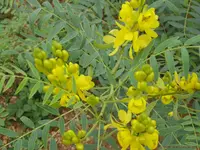
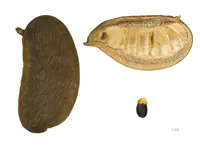
Alexandrian senna, Senna alexandrina, is a shrubby legume traditionally grown for its well-known laxative seed pods and leaflets. It forms an upright, airy plant with fine pinnate foliage and small yellow flowers.
This species is native to arid and semi-arid regions of northeast Africa and the Arabian Peninsula, where it grows in hot, dry, open habitats. In cultivation, it prefers full sun, warmth, and sharply drained, sandy or gravelly soil.
Its drought tolerance and dislike of waterlogged soil are the main traits that affect how easy it is to grow. Gardeners who understand how to care for Alexandrian senna usually find it manageable in suitable climates.

Care Difficulty
Moderate Care

Light Preference
Full Sun

Water Requirements
Moderate Water

Temperature Preference
Tropical / Frost Sensitive

Hardiness Zone
9–11

Soil Texture
Sandy, Loamy, Organic-rich

Soil pH
Slightly acidic (6.5–7.0), Neutral (7.0)

Soil Drainage
Well-drained

Fertilization
Minimal (feed rarely)
Scan your plant to receive care tips personalized for your specific plant
Available on iOS and Android
This sun-loving shrub needs strong light to flower and stay compact.
This drought-tolerant species prefers deep, infrequent watering in well-drained soil.
This warm-climate shrub thrives in consistently mild to hot conditions without frost.
This species grows well in typical household humidity and only rarely needs extra moisture in the air.
Senna alexandrina prefers light, well-aerated mineral soils that drain quickly and do not stay wet.
This species can be grown in containers if the pot supports its deep, fast-growing root system and good stability.
This nutrient-efficient shrub needs only light feeding to support healthy foliage and flowering.
Thoughtful pruning helps Senna alexandrina maintain a tidy shape and support flowering on healthy wood.
This shrub is most often grown in the ground, with container culture used mainly in colder climates or for young plants.
New plants are most commonly raised from seed, with semi-ripe cuttings as a secondary option for Senna alexandrina.
This warmth-loving shrub has low frost tolerance and needs protection in climates with cold winters.

Plant Health Check
Not sure what's wrong with your plant? Check your plant's health inside the app.
Dried leaflets and pods of this species were important items in historical Mediterranean and Middle Eastern trade, transported from the Nile region to apothecaries across Europe and Asia for use as a standardized herbal laxative.
Its leaves and pods are a primary commercial source of sennosides A and B, anthraquinone glycosides that have been chemically isolated, quantified, and are used as active ingredients in modern over-the-counter stimulant laxative medicines.
This shrub is native to arid and semi-arid zones around the Nile and Red Sea region, where it grows on dry, sandy or rocky soils and tolerates high light and marked day–night temperature shifts typical of desert margins.

This species is officially recognized in several modern pharmacopoeias, such as the European Pharmacopoeia and the United States Pharmacopeia, which define strict quality standards for its dried leaf and pod material used in regulated medicinal products.
This species grows relatively quickly in warm conditions, often reaching near-mature size in 2–3 years. Growth slows in cool weather or poor soil. Regular light pruning helps maintain shape without significantly reducing overall vigor when you grow Senna alexandrina.
Keep your plants happy and healthy with plant identification, disease detection, and easy care guidance.