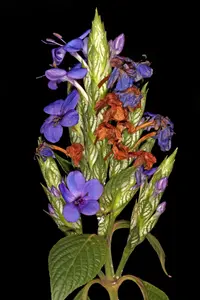
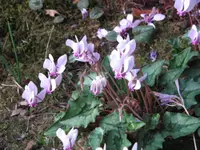
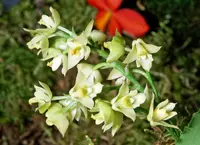
greater rockjasmine Care (Androsace maxima)

greater rockjasmine

About greater rockjasmine

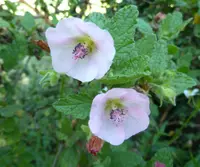
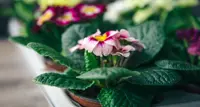
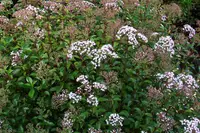
Greater rockjasmine (Androsace maxima) is a small annual alpine-type plant valued for its low, tufted growth and delicate pale pink to white flowers. It typically forms compact rosettes of soft, hairy leaves with slender stems topped by simple, open blooms.

In the wild it occurs from the eastern Mediterranean to western Asia, often in dry, stony, or open grassland habitats. This background makes it better suited to cool, well-drained conditions rather than hot, humid climates.

Its modest size and relatively shallow roots can make it somewhat sensitive to excess moisture and poor drainage. Gardeners who want to know how to care for greater rockjasmine should focus on light, gritty soil and steady but not heavy watering.

Main Plant Requirements

Care Difficulty

Moderate Care

Light Preference

Full Sun

Water Requirements

Moderate Water

Temperature Preference

Cool Climate

Hardiness Zone

5–8

Soil Texture

Sandy, Loamy, Rocky

Soil pH

Slightly acidic (6.5–7.0), Neutral (7.0)

Soil Drainage

Well-drained

Fertilization

Minimal (feed rarely)

Get Personalized Care Plan

Scan your plant to receive care tips personalized for your specific plant

Available on iOS and Android

How to Care for the greater rockjasmine

This alpine annual thrives in bright, cool conditions with open exposure and sharp drainage.

  • Provide 6–8 hours of direct sun daily in mild climates; in hotter regions, aim for full morning sun with light afternoon shade to prevent leaf scorch.
  • Greater rockjasmine tolerates light partial shade, but flowering and compact growth decline if it receives fewer than 4–5 hours of direct light.
  • Avoid reflected heat from walls or paving in summer; choose an exposed, airy site where snow cover or low winter sun does not stay overly wet around the crown.

This species prefers evenly moist yet fast-draining soil and is sensitive to prolonged wetness around the roots.

  • Outdoors in free-draining soil, water only when the top 2–3 cm feel dry, then soak thoroughly so excess drains away and the soil does not stay saturated.
  • Reduce watering in cool or overcast weather to lower the risk of root rot; increase slightly during hot, dry spells while still allowing the surface to dry between waterings.
  • Signs of overwatering include yellowing leaves, soft stems, and a sour smell from the soil; underwatering shows as limp, dull foliage that recovers quickly after a deep soak.

This hardy annual is adapted to cool, open sites and copes well with typical outdoor temperature fluctuations.

  • Best growth occurs around 50–68°F (10–20°C), with strong flowering in cool springs and mild early summers.
  • Plants tolerate light frosts down to about 20°F (−6°C) once established, but young seedlings benefit from protection from sudden hard freezes.
  • Heat above 80–85°F (27–29°C), especially with high humidity, can shorten flowering and stress plants; provide excellent drainage and some afternoon shade in hot spells.

This alpine annual prefers relatively dry, airy conditions and usually does not need extra humidity in typical indoor or outdoor settings.

  • Keep humidity around 30–50%, similar to most heated homes or dry outdoor climates, to mimic its native habitat.
  • The plant tolerates dry air well; persistent leaf yellowing or soft, collapsing growth may indicate excess moisture rather than low humidity.
  • If air is extremely dry and hot, shelter greater rockjasmine from drying winds instead of misting, which can promote fungal issues.

This species needs lean, sharply drained soil to prevent root rot and support compact growth.

  • Use a gritty mix such as 40% sandy garden loam, 40% coarse sand or grit, and 20% fine gravel to keep the root zone open and fast draining.
  • Aim for slightly alkaline to neutral pH, roughly 6.8–7.5, often achieved by incorporating a small amount of crushed limestone or using calcareous grit.
  • Limit organic matter to a thin compost addition; excess peat or rich compost holds too much water and encourages weak, lush growth in Androsace maxima.
  • Raise planting areas or use rock garden pockets so water runs off quickly, avoiding low spots where meltwater or rain can collect around the crown.

This species can be grown in containers if the pot is set up to drain very rapidly and stay relatively dry around the roots.

  • Choose a wide, shallow pot to match its fibrous, surface-leaning roots and to prevent deep, wet zones in the lower substrate.
  • Use a clay or unglazed terracotta container so moisture can evaporate through the pot walls, reducing the risk of prolonged saturation.
  • Elevate the pot on feet or mesh so drainage holes remain clear and excess water leaves quickly after rain or overhead watering.

This alpine annual needs only light feeding, as greater rockjasmine is adapted to lean, well-drained soils.

  • Use a balanced liquid fertilizer (around 10-10-10) at 1/4–1/2 strength during active spring growth.
  • Apply every 3–4 weeks while plants are forming rosettes and flower buds, then stop once flowering wanes.
  • Avoid rich compost or heavy slow-release products, which encourage weak, lush growth and reduce flowering.
  • Do not feed during late fall or winter; allow the plant to complete its natural annual cycle.

Pruning needs for Androsace maxima are minimal and focus on tidiness and seed management.

  • Best timing is after main flowering in late spring or early summer, once most blooms fade.
  • Snip off spent flower stems to encourage a neater cushion and sometimes a light rebloom.
  • Remove dead, diseased, or damaged foliage at the base using clean, sharp scissors or snips.
  • Leave some dry seed heads if self-seeding and naturalized appearance are desired.

This small alpine annual is more often transplanted in rock gardens than repotted long-term in containers.

  • Transplant seedlings in early spring when roots have filled small plugs but are not yet circling heavily.
  • Space plants so rosettes are not crowded, using sharply drained, gritty soil to limit root stress.
  • Handle root balls gently, keeping them intact and watering in carefully to settle soil around roots.
  • Containers, if used, usually house the plant for a single season, so repotting is rarely necessary.

Propagation of Androsace maxima is mainly done by seed, which suits its short-lived, annual habit.

  • Sow fresh seed in late summer or fall outdoors, or in late winter under cover for spring planting.
  • Use a gritty, free-draining seed mix and press seeds lightly onto the surface; they need light to germinate.
  • Maintain cool to mild temperatures around 50–60°F and even moisture, avoiding waterlogging.
  • Thin or prick out seedlings once they develop true leaves, disturbing roots as little as possible.

This annual species generally completes its life cycle before harsh winter, so winter care is limited.

  • In mild climates, light grit mulch around the crown can help seedlings or self-sown plants overwinter.
  • Ensure planting sites drain well, since winter wet is more damaging than cold for this alpine species.
  • For containers in colder or wet regions, move pots to a cold, sheltered, bright spot to reduce saturation.

Care Tips

Autumn sowing timing

Sow seeds outdoors in late autumn so they experience natural winter cold, which improves germination and produces sturdier spring seedlings.

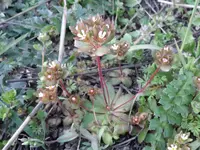
Scree-style bed

Plant in a shallow, sharply drained scree or gravel bed with stones on the surface to keep the crown dry, reduce soil splashing, and mimic the plant’s natural alpine habitat.

Seedling crowd control

As self-sown seedlings appear, thin them early to 5–8 cm spacing so each rosette has enough light and airflow to develop a strong, compact form.

Targeted slug exclusion

In damp springs, place low, rough barriers such as sharp grit or copper tape around young plants to reduce slug and snail damage to the rosettes.

Collect-and-sow seed

Collect seed heads as they dry, then sow the fresh seed promptly in labeled trays, which maintains genetic diversity and supports long-term success when growing greater rockjasmine.

Common Pests and Diseases

Powdery mildew

This disease often appears in cool, dry conditions on compact rosettes, forming white, powdery patches on leaves and flower stems. Symptoms include distorted new growth and a dull, greyish cast over the foliage.

Solution

Improve air circulation around the cushion by thinning nearby plants and avoiding overhead watering, especially in the evening. Remove heavily affected leaves, keep foliage as dry as possible, and apply a sulfur or potassium bicarbonate-based fungicide labeled for ornamentals if the problem persists.

Botrytis blight

This disease develops in damp, stagnant air, causing water-soaked lesions that turn into grey, fuzzy mold on leaves, buds, and spent flowers. Symptoms include rapid collapse of flower stalks and rotting of crowded rosette centers.

Solution

Promptly remove and discard faded flowers and any soft, moldy tissue, and avoid splashing water onto the crown. Improve drainage and airflow, reduce humidity if growing greater rockjasmine under cover, and use a registered fungicide for grey mold when cultural measures are not sufficient.

Aphids

These insects colonize tender stems and flower stalks, sucking sap and causing curling or yellowing of young leaves and distorted blooms. This pest often leaves a sticky honeydew that can attract sooty mold on the tight rosettes.

Solution

Rinse colonies off with a firm stream of water and pinch off badly deformed shoots. Introduce or encourage natural predators such as lady beetles outdoors, and if needed use an insecticidal soap or horticultural oil, making sure to coat the undersides of leaves and repeat according to label directions.

Spider mites

These insects thrive in hot, dry conditions and can cause fine stippling, bronzing, and a dull, dusty look to the small leaves. Symptoms include delicate webbing deep in the rosette and general loss of vigor.

Solution

Increase ambient humidity around the plants without soaking the crown, and periodically hose the foliage to dislodge mites. For persistent infestations, apply a horticultural oil or miticide labeled for ornamentals, ensuring thorough coverage into the rosette center.

Interesting Facts

Annual alpine life cycle

Androsace maxima is unusual in its genus because it is strictly annual, completing its entire life cycle from germination to seed in a single season instead of forming the long-lived rosettes typical of many other Androsace species.

Mediterranean-steppe native

This species is naturally distributed from the eastern Mediterranean into steppe regions of western Asia, where it grows in open, often disturbed, stony or sandy soils that experience cool, moist winters and hot, dry summers.

Distinctive hairy rosette

The plant forms a low rosette of softly hairy leaves and a short flowering stalk that carries a small umbel of white to pinkish flowers, a morphology that helps it stay close to the ground and tolerate exposed, windy habitats.

FAQs about greater rockjasmine

This species behaves as a hardy annual in cultivation. It germinates, grows, flowers, sets seed, and dies within 1 season. Gardeners usually rely on self-sown seedlings or fresh seed each year rather than long-term clumps.

Grow Healthy Plants with Botan Care

Keep your plants happy and healthy with plant identification, disease detection, and easy care guidance.

Botan plant care app — identify plants on mobile

Explore More Plants