pink evening primrose Care (Oenothera speciosa)

Also known as: Showy evening primrose, Pink Evening Primrose, Mexican Evening Primrose, Pink Buttercups, buttercups
pink evening primrose

About pink evening primrose

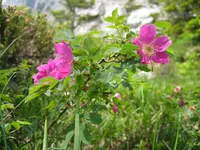
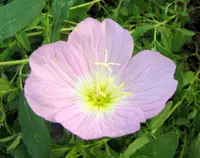
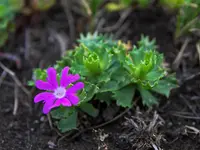
Pink evening primrose, Oenothera speciosa, is a low-growing perennial wildflower known for its soft pink, cup-shaped blooms that often fade to pale white. It typically forms spreading mats of foliage, allowing it to act as a flowering groundcover in sunny beds and naturalized areas.

This species is native to prairies and open areas of the central and southern United States and Mexico, where it thrives in full sun and relatively dry, well-drained soils. Once established, it is drought-tolerant and can self-seed freely, which makes it easy to maintain but sometimes somewhat vigorous.

Gardeners who want to learn how to care for pink evening primrose should understand that it prefers lean soil, good drainage, and low to moderate moisture rather than rich, heavily watered conditions.

Main Plant Requirements

Care Difficulty

Easy Care

Light Preference

Full Sun

Water Requirements

Low Water

Temperature Preference

Cold Hardy

Hardiness Zone

4–9

Soil Texture

Sandy, Loamy, Rocky

Soil pH

Slightly acidic (6.5–7.0), Neutral (7.0)

Soil Drainage

Well-drained

Fertilization

Minimal (feed rarely)

Get Personalized Care Plan

Scan your plant to receive care tips personalized for your specific plant

Available on iOS and Android

How to Care for the pink evening primrose

This sun-loving perennial thrives with strong light and open exposure.

  • Provide 6–8 hours of direct sun daily; pink evening primrose flowers most heavily in full sun sites.
  • Accepts light afternoon shade in hotter regions, but dense shade reduces flowering and leads to floppy, stretched growth.
  • In summer, prioritize morning sun with some protection from intense late-afternoon sun; in cooler seasons it can handle full sun all day without stress.

This species prefers infrequent, deep watering once established in the ground.

  • Allow the top 3–5 cm of soil to dry between waterings; the plant tolerates short dry spells better than constant moisture.
  • Use well-drained, gritty or sandy soil to prevent standing water, which can cause yellowing leaves, soft stems, and root rot.
  • During hot, dry periods, watch for wilting or dull leaves as a cue to water more deeply, then reduce frequency in cool or rainy weather.

This hardy perennial tolerates a wide temperature range in typical outdoor conditions.

  • Ideal growth occurs around 60–80°F (16–27°C), with strongest flowering in mild spring and early summer weather.
  • Established plants usually survive down to about 0°F (-18°C) with protection from excessive winter wet and heavy soil compaction.
  • Tolerates summer heat up to about 95°F (35°C) if soil is not waterlogged, though extreme, prolonged heat can shorten bloom duration.

Humidity is not a critical factor for Oenothera speciosa, which thrives in relatively dry air.

  • Performs well at 30–50% humidity, similar to typical indoor and outdoor conditions.
  • Tolerates dry air without leaf damage, so avoid misting or humidifiers.
  • Only severe, hot, enclosed dryness may cause slight leaf edge browning; increase airflow rather than humidity if this occurs.

Oenothera speciosa prefers light, fast-draining soil that mimics dry meadow or roadside conditions.

  • Use a sandy or sandy-loam mix, such as 2 parts regular potting mix, 1 part coarse sand, and 1 part fine gravel or perlite.
  • Ensure rapid drainage; water should pass through within seconds, with no pooling or sticky, compacted patches.
  • A slightly acidic to neutral pH (6.0–7.0) supports balanced nutrient uptake and healthy root growth.
  • Avoid heavy clay, peat-heavy, or constantly wet substrates, which promote root rot and reduce oxygen around the roots.

This species can be grown in containers, but its spreading habit requires careful pot management.

  • Choose a wide, shallow container to accommodate its creeping roots and limit unwanted spread.
  • Use a heavy or weighted pot if placed in windy spots, since dense top growth can cause tipping.
  • Allow soil to dry well between waterings, since confined roots in pots are more vulnerable to rot in stagnant moisture.

This low-maintenance perennial needs modest feeding, as pink evening primrose often thrives in lean soil.

  • Use a light application of balanced NPK granular fertilizer or compost once in early spring to support new growth.
  • In average or fertile garden soil, skip additional feeding during summer unless growth appears weak or pale.
  • If using liquid fertilizer, dilute to 1/2 strength and apply no more than once every 6–8 weeks in the growing season.
  • Stop fertilizing in late summer so plants harden off before winter dormancy and avoid soft, frost-sensitive growth.

Pruning supports dense growth and continuous flowering in Oenothera speciosa.

  • In late winter or very early spring, cut back old, winter-damaged stems close to the base with clean hand pruners.
  • During bloom season, shear lightly after the main flush to remove spent flowers and encourage new buds.
  • Regularly remove dead, diseased, or badly damaged stems to reduce disease pressure and maintain vigor.
  • Thin crowded patches by cutting out selected stems to improve air circulation and limit unwanted spread.

This species is usually grown in the ground and responds best to thoughtful transplanting rather than frequent repotting.

  • Transplant in early spring or early fall when temperatures are mild and soil is workable.
  • Move clumps when plants outgrow their space, show reduced flowering, or form congested mats with bare centers.
  • Lift the clump with a shovel, keeping a generous soil ball around the roots to minimize disturbance and stress.
  • Replant divisions at the same depth in well-drained soil, water deeply, then keep evenly moist until re-established.

Oenothera speciosa is commonly propagated by division and seed for garden expansion.

  • Divide mature clumps in early spring or early fall, lifting and splitting sections with a sharp spade or knife.
  • Replant divisions promptly in well-drained soil, spacing them to allow spreading, then water thoroughly to settle roots.
  • Collect ripe seed pods, dry them, and sow seeds on the surface of light, well-drained soil in fall or early spring.
  • Provide bright light and lightly moist conditions for seed trays until germination, then thin seedlings to prevent overcrowding.

This hardy perennial usually requires minimal winter care in most temperate climates.

  • Tolerates frost and typical winter lows in much of the US, especially with well-drained soil.
  • After hard frost, allow top growth to die back naturally, then cut it to ground level if desired.
  • Apply a light 5–7 cm mulch layer over the root zone in colder regions to moderate soil temperature and moisture.
  • For container plants in very cold areas, move pots to a sheltered, unheated but frost-sheltered spot.

Care Tips

Control Spreading

Install a 10–15 cm deep root barrier or sink bottomless nursery pots into the bed to keep the plant from invading nearby perennials and lawn areas.

Shear For Rebloom

After the main flush of flowers fades, shear the plants back by about one-third with clean shears, then water lightly to encourage a tidier mound and a lighter second bloom.

Thicken Groundcover

In early spring, dig and replant small sections 20–30 cm apart in bare spots to create a denser, more even flowering carpet over the next season.

Drought Conditioning

Once plants are established, gradually extend the interval between waterings over several weeks to train roots to grow deeper and improve drought tolerance, which is useful when growing pink evening primrose in low-maintenance borders.

Winter Clean-Up

In late winter, cut back dead stems to just above ground level and lightly rake away thick leaf mats to reduce overwintering pests and allow new shoots to emerge cleanly.

Common Pests and Diseases

Flea beetles

These insects chew many small round holes in leaves, often giving foliage a shot‑holed or lace‑like appearance and slowing growth in young plants.

Solution

Reduce nearby weeds that host the beetles, then use floating row covers over new plantings until plants are well established; if damage is heavy, apply a spinosad or pyrethrin-based spray in the evening, following label directions and avoiding flowers to protect pollinators.

Spider mites

This pest causes fine stippling, bronzing, and a dull, dusty look on leaves, sometimes with delicate webbing between stems and foliage in hot, dry weather.

Solution

Increase humidity around the planting, then hose plants thoroughly to wash mites from upper and lower leaf surfaces; for persistent infestations, use insecticidal soap or horticultural oil at 5–7 day intervals, applied carefully to all leaf surfaces.

Leaf miners

These insects create winding, pale tunnels inside leaves, leaving distorted foliage that may yellow or dry along the mined areas.

Solution

Remove and discard mined leaves as soon as damage appears to reduce larvae in the plant, and use floating row covers over young plants where leaf miner pressure is known to be high; neem oil can help reduce new feeding when applied regularly to new growth.

Rust

This disease shows as yellow spots on upper leaf surfaces and powdery orange-brown pustules on the undersides, leading to early leaf drop in humid or crowded plantings.

Solution

Promptly remove and dispose of infected leaves, avoid overhead watering, and thin dense patches to improve airflow; in sites with recurring issues, apply a sulfur or copper-based fungicide preventively during long wet periods, following label instructions.

Powdery mildew

This disease produces white, powdery patches on leaves and stems, which can cause leaf distortion and gradual decline in heavily affected clumps, especially in shaded or poorly ventilated beds.

Solution

Increase sun exposure where possible, space plants to improve air circulation, and remove the worst affected leaves; if conditions stay favorable for infection, apply a labeled horticultural oil or potassium bicarbonate product to new and existing foliage as part of broader Oenothera speciosa care.

Interesting Facts

Pink evening color shift

The flowers open a pale white to very light pink and often deepen to a stronger pink as they age, creating a two-tone effect across a single planting as different blooms mature at different times.

Daytime-blooming evening primrose

Unlike many evening primroses that open mainly at dusk, this species keeps its flowers open during much of the day, which makes it more available to a wider range of daytime pollinators such as bees and hoverflies.

Aggressive rhizome spread

This plant forms dense colonies through slender rhizomes just below the soil surface, which allows it to quickly cover open ground but also makes it difficult to confine once established in favorable conditions.

Botan icon

Did you know?

In its native range from the central United States into northern Mexico, this species often functions as an early-successional plant, rapidly colonizing disturbed soils such as roadsides and construction sites and stabilizing the ground while slower-growing native species establish over time.

FAQs about pink evening primrose

This species spreads quickly by rhizomes and self-seeding, forming dense colonies. In small gardens it can become invasive. Contain it with edging, remove unwanted seedlings, and deadhead regularly if you need stricter control.

Grow Healthy Plants with Botan Care

Keep your plants happy and healthy with plant identification, disease detection, and easy care guidance.

Botan plant care app — identify plants on mobile

Explore More Plants