Columbian lewisia Care (Lewisia columbiana)

Columbian lewisia

About Columbian lewisia

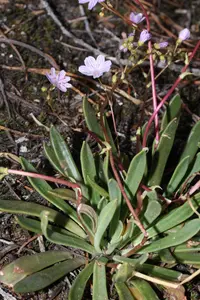
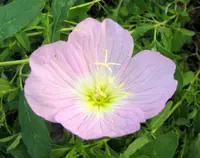
Columbian lewisia (Lewisia columbiana) is a small, evergreen perennial from rocky slopes and cliffs in western North America. It forms tight rosettes of fleshy, spoon-shaped leaves. In late spring to summer it sends up slender stems with clusters of starry white to pink flowers, often striped or flushed with deeper pink. The plant stays low and compact, fitting well into rock gardens, troughs, and crevice plantings. It prefers sharp drainage and cool roots, which can make it slightly challenging in humid or wet climates. Gardeners who learn how to care for Columbian lewisia usually succeed by providing lean, gritty soil and protection from intense heat and winter wet.

Main Plant Requirements

Care Difficulty

Moderate Care

Light Preference

Full Sun

Water Requirements

Low Water

Temperature Preference

Cold Hardy

Hardiness Zone

4–8

Soil Texture

Sandy, Rocky, Loamy

Soil pH

Acidic (5.5–6.5), Slightly acidic (6.5–7.0)

Soil Drainage

Well-drained

Fertilization

Minimal (feed rarely)

Get Personalized Care Plan

Scan your plant to receive care tips personalized for your specific plant

Available on iOS and Android

How to Care for the Columbian lewisia

This alpine perennial needs strong light to flower well but resents extreme heat.

  • Provide 6–8 hours of sun daily, ideally full morning sun with light afternoon shade, especially in hotter regions above 85°F (29°C).
  • Tolerates light or dappled shade for part of the day, but Columbian lewisia produces fewer, weaker blooms in less than 4 hours of direct sun.
  • In summer, protect from intense west-facing sun to prevent leaf scorch; in cooler seasons, allow more direct light to support compact growth.

This species prefers dry, fast-draining conditions and is very sensitive to excess moisture.

  • Allow the top 3–5 cm of soil to dry fully before watering; in rocky or sandy beds this may mean long gaps between waterings.
  • During active growth in spring, water only when foliage begins to look slightly less firm, then soak and let surplus drain quickly through gritty soil.
  • Reduce watering sharply in summer heat and winter; yellowing, soft leaves suggest overwatering, while shriveling rosettes with crisp edges indicate drought stress.

This hardy rock-garden plant tolerates a wide temperature range but dislikes warm, wet conditions.

  • Best growth occurs around 55–70°F (13–21°C), with cool nights promoting compact rosettes and regular flowering.
  • Plants survive down to about 0°F (−18°C) in well-drained soil; repeated freeze–thaw in soggy sites is more damaging than low temperature itself.
  • In summer, growth slows above 85°F (29°C); provide afternoon shade and avoid overhead watering during hot spells to reduce rot risk.

This alpine succulent prefers dry air and does not need extra humidity.

  • Target 30–50% humidity, similar to most heated indoor rooms or dry outdoor climates.
  • Dry air is usually tolerated; problems arise more from excess moisture around leaves and crown than from low ambient humidity.
  • If foliage looks persistently soft, translucent, or mildewed, increase air movement rather than humidity and keep the crown dry when caring for Columbian lewisia.

Lewisia columbiana needs very fast-draining, mineral-rich soil to avoid root and crown rot.

  • Use a gritty mix such as 40% coarse sand, 40% small gravel or grit, and 20% lean compost or fine bark for structure.
  • Aim for slightly acidic to neutral pH, roughly 6.0–7.0, avoiding strongly alkaline or heavy clay-based soils.
  • Raise planting areas or use rock crevices so water drains quickly away from the crown and does not pool after rain.
  • Improve aeration and drainage by mixing in pumice or coarse perlite and avoiding fine peat that compacts and holds excess moisture.

This species adapts well to container growing when drainage is managed precisely.

  • Choose a shallow, wide pot to match its fibrous root system and keep the crown above the rim so water sheds away.
  • Use unglazed clay containers to allow faster evaporation and reduce the risk of chronically wet media.
  • Elevate the pot on feet or mesh so drainage holes stay clear and excess water runs off freely after rain or watering.

This alpine perennial needs only light feeding to stay healthy and avoid lush, weak growth.

  • Use a low-strength balanced NPK fertilizer (around 10-10-10) diluted to 1/4–1/2 strength for Columbian lewisia in poor soils.
  • Feed lightly once in mid-spring and again in early summer during active growth, then stop.
  • Avoid rich compost or heavy organic mulches that hold moisture around the crown.
  • Do not fertilize during winter or dormancy, when nutrient demand and growth are minimal.

Lewisia columbiana needs minimal pruning, mainly for cleanliness and to support repeat flowering.

  • In late spring and summer, remove spent flower stalks at the base to encourage further blooming.
  • Trim off dead, yellowing, or damaged leaves with clean, sharp scissors to reduce disease risk.
  • Thin out any crowded rosettes only if airflow is poor, keeping the natural low, mounded shape.
  • Inspect plants during dry weather so cut surfaces dry quickly and rot risk stays low.

This species is usually grown in rock gardens or crevices, with transplanting done sparingly.

  • Move plants only when growth is slow, the clump is crowded, or roots circle a container surface.
  • Transplant in early spring or early fall, targeting cool, dry weather for lower stress.
  • Shift to a very free-draining, gritty mix or rocky bed, keeping the crown slightly raised above soil level.
  • Handle roots gently, water once to settle soil, then keep on the dry side until new growth resumes.

Lewisia columbiana is commonly propagated by seed and by dividing mature clumps.

  • Sow fresh seed in late summer to fall in a gritty, well-drained mix and allow natural winter chilling.
  • Keep seed pots cool and just barely moist; germination usually occurs in spring with rising temperatures.
  • Divide established clumps in early spring, separating offsets with a sharp, clean knife.
  • Replant divisions into sharply drained sites, water lightly once, then maintain moderate dryness to limit rot.

This hardy alpine copes well with cold but benefits from protection against excess winter moisture.

  • Plants tolerate significant frost when soil drains freely and crowns do not sit in waterlogged conditions.
  • Apply a very thin gravel or grit mulch around the crown to shed water and insulate the root zone lightly.
  • In wet winter climates, provide overhead cover, such as a cold frame lid, to keep foliage relatively dry.
  • Move container-grown plants to a cold, bright, sheltered spot, avoiding saturated potting mix.

Care Tips

Rock crevice planting

Tuck plants into narrow rock crevices or between stacked stones so water drains quickly away from the crown and roots are shaded while foliage still receives full light.

Crown protection grit

After planting, top-dress around the rosette with a 1–2 cm layer of sharp grit or small gravel so the crown dries rapidly after rain and flower stems emerge cleanly.

Snow and rain shielding

In very wet winters, place a simple clear cover (such as a cold frame lid or rigid plastic sheet on bricks) over the plant to keep excess snowmelt and winter rain off while still allowing good airflow.

Controlled seedling renewal

Allow a few seed capsules to mature and self-sow in cracks or a nursery tray, then thin and transplant the strongest seedlings every 2–3 years to maintain a young, vigorous colony when growing Columbian lewisia.

Gentle division timing

If clumps become congested, lift and divide only in cool, dry weather, then replant offsets at the same depth and allow them to dry slightly before the next watering to reduce rot risk at the cut surfaces.

Common Pests and Diseases

Aphids

These insects cluster on young stems and flower stalks, sucking sap and causing distortion, stickiness, and reduced flowering. Symptoms include curled leaves and sticky honeydew that can lead to sooty mold on the rosettes.

Solution

Dislodge colonies with a firm stream of water, then spot-treat remaining insects on Lewisia columbiana with insecticidal soap or a ready-to-use neem oil spray, avoiding use during strong sun. Encourage natural predators such as lady beetles by avoiding broad-spectrum insecticides and keeping nearby vegetation diverse.

Mealybugs

This pest appears as small white cottony patches tucked between rosette leaves and around the crown, weakening the plant by feeding on sap. Symptoms include slowed growth, yellowing foliage, and sticky residues around the base and leaf joints.

Solution

Remove affected leaves or wipe colonies with cotton swabs dipped in 70% isopropyl alcohol, taking care not to soak the crown. For heavier infestations, apply insecticidal soap or a low-impact systemic product labeled for ornamental succulents, and repeat every 7–10 days until no new mealybugs appear.

Crown rot

This disease develops in poorly drained or overly wet conditions, causing the central rosette to turn brown, mushy, and collapse. Symptoms include a foul smell at the crown and rapid death of affected rosettes, especially after prolonged rain or overwatering.

Solution

Remove and discard all affected rosettes and surrounding wet organic material, then improve drainage by adding grit and raising the planting area or using a fast-draining succulent mix in pots. Water only when the soil has fully dried and keep the crown slightly elevated above the surrounding soil surface to reduce standing moisture, which is essential for Lewisia columbiana care instructions in damp climates.

Botrytis blight

This disease appears in cool, damp conditions as gray fuzzy mold on leaves, flower stalks, and old petals lodged in the rosette, leading to spotting and tissue collapse. Symptoms include water-soaked lesions that quickly turn brown and may spread through crowded clumps.

Solution

Promptly remove faded flowers and any decaying plant material trapped in the rosette, and improve airflow by thinning crowded plants or repositioning pots. In persistent wet weather, protect plants from overhead watering and, if needed, apply a fungicide labeled for botrytis on ornamentals, ensuring the foliage dries quickly after each treatment.

Interesting Facts

Crack‑dwelling specialist

This species often grows with its roots wedged deep into narrow rock fissures on exposed cliffs and scree slopes, using these cracks to access cooler, moister microhabitats that many other plants cannot reach.

Summer drought strategy

In much of its native range, Lewisia columbiana may partly or almost completely die back above ground during hot, dry periods, surviving with contractile, fleshy roots that store water and reserves until conditions improve.

Granite and serpentine native

Wild populations commonly occur on granitic outcrops and sometimes on serpentine-derived substrates, indicating a tolerance for nutrient-poor, fast-draining, and often mineral-imbalanced soils that challenge many other species.

Botan icon

Did you know?

Lewisia columbiana is considered one of the more cold-tolerant Lewisia species and naturally occurs at higher elevations in parts of the Pacific Northwest and northern Rocky Mountains, where it endures snowy winters and short growing seasons on exposed rock faces.

FAQs about Columbian lewisia

This alpine perennial is valuable for pollinators. Its bright, open flowers provide nectar for native bees, small butterflies, and some hoverflies, especially in late spring and early summer, supporting local biodiversity in rock gardens and dry slopes.

Grow Healthy Plants with Botan Care

Keep your plants happy and healthy with plant identification, disease detection, and easy care guidance.

Botan plant care app — identify plants on mobile

Explore More Plants