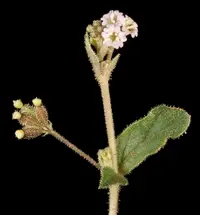
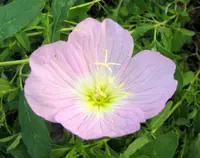
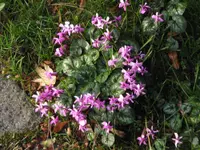
carpet crane's-bill Care (Geranium incanum)

carpet crane's-bill

About carpet crane's-bill

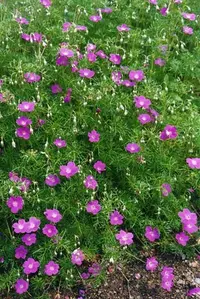
Carpet crane's-bill (Geranium incanum) is a low, mat-forming perennial often used as a groundcover in mild climates. It spreads with fine, branching stems and soft, divided leaves that create a feathery texture.

The plant produces small, typically pink to mauve flowers that appear in abundance, giving a light, airy look. It naturally occurs in South Africa, where it grows in open, sunny areas with well-drained soils.

This species is valued for its toughness, relatively fast growth, and ability to cope with light foot traffic. Many gardeners find it straightforward to care for carpet crane's-bill when given sun, moderate moisture, and free-draining soil.

Main Plant Requirements

Care Difficulty

Easy Care

Light Preference

Full Sun

Water Requirements

Low Water

Temperature Preference

Warm Climate

Hardiness Zone

8–10

Soil Texture

Sandy, Loamy, Rocky

Soil pH

Slightly acidic (6.5–7.0), Neutral (7.0)

Soil Drainage

Well-drained

Fertilization

Minimal (feed rarely)

Get Personalized Care Plan

Scan your plant to receive care tips personalized for your specific plant

Available on iOS and Android

How to Care for the carpet crane's-bill

Geranium incanum thrives in bright outdoor conditions with several hours of direct sun each day.

  • Provide 4–6 hours of direct sun, ideally with morning sun and light afternoon shade, especially in hotter regions.
  • Tolerates light or dappled shade, but flowering of carpet crane's-bill is heaviest in full sun; in shade, expect looser growth and fewer blooms.
  • In very hot summers, protect from intense afternoon sun with partial shade or nearby plants to reduce leaf scorch and soil moisture loss.

Geranium incanum prefers moderately dry, well-drained conditions and does not tolerate soggy soil.

  • Water only when the top 3–5 cm of soil are dry, using deep, infrequent watering rather than light, frequent splashes.
  • Reduce watering in cool seasons or prolonged cloudy weather; increase slightly during hot, dry spells while still allowing soil to dry between soakings.
  • Ensure sharp drainage with sandy or gravelly soil; watch for yellowing, soft stems as a sign of overwatering and crisp, drooping leaves as a sign of drought stress.

This species prefers mild, dry climates and handles a range of outdoor temperatures when soil drains freely.

  • Optimal growth occurs around 60–75°F (16–24°C), where foliage stays compact and flowering is steady.
  • Mature plants often tolerate brief dips to about 20–25°F (-6 to -4°C) if soil is well drained, but repeated hard frosts can damage young growth.
  • Handles dry heat up to about 90–95°F (32–35°C) if roots are mulched and not waterlogged; prolonged extreme heat or humidity may reduce flowering and vigor.

Humidity is rarely limiting for carpet crane's-bill and normal indoor or outdoor air levels are usually adequate.

  • Performs reliably at 30–60% relative humidity without special adjustments.
  • Tolerates dry indoor heating; leaf edges only brown if combined with underwatering or intense sun stress.
  • If air is extremely dry and hot, group pots together or place near a tray of water and stones to slightly raise local humidity.

Geranium incanum prefers light, fast-draining soil that does not stay wet after irrigation or rain.

  • Use a sandy or gritty loam with 30–50% mineral material such as coarse sand or fine gravel to prevent waterlogging.
  • In containers, mix roughly 2 parts all-purpose potting mix with 1 part coarse sand or perlite to improve aeration.
  • Aim for slightly acidic to neutral pH, around 6.0–7.2, avoiding strongly acidic or alkaline conditions that reduce nutrient availability.
  • Avoid heavy clay, compacted beds, or peat-heavy mixes that stay soggy, which promotes root rot and weak growth.

This species is suitable for container growing in sunny, well-ventilated spots.

  • Choose a wide, shallow pot to allow its spreading, fibrous roots and mounding habit to fill the surface evenly.
  • Select unglazed terracotta or other breathable materials if extra evaporation is needed in wet or cool climates.
  • Raise the container slightly on pot feet or bricks so drainage holes clear the ground and excess water exits quickly.

Geranium incanum grows best with light feeding during its active season but tolerates modest soils.

  • Apply a balanced liquid fertilizer at 1/2 strength every 4–6 weeks in spring and summer for container plants.
  • Use a slow-release granular product or thin layer of compost around outdoor clumps in early spring.
  • Skip feeding in late fall and winter when growth slows or plants are semi-dormant.
  • For carpet crane's-bill in lean soils, prioritize organic matter improvement over heavy NPK use.

Geranium incanum responds well to light pruning that maintains a compact, floriferous mound.

  • Best timing is after the main flush of flowering in late spring or summer.
  • Shear back spent stems by 1/3–1/2 to encourage fresh foliage and repeat bloom.
  • Remove dead, damaged, or very woody shoots at the base with clean, sharp scissors or pruners.
  • Thin crowded areas lightly to improve air flow and reduce foliar disease risk.

This species is usually grown in the ground, so focus on careful transplanting rather than frequent repotting.

  • Transplant in early spring or early fall when temperatures are mild and soil is workable.
  • Move plants when growth slows, clumps become congested, or roots circle a container.
  • Lift with a generous soil ball, handle roots gently, and replant at the same depth in well-drained soil.
  • Water thoroughly after planting, then keep soil lightly moist for 1–2 weeks to limit transplant stress.

Geranium incanum is commonly propagated by seed and by small divisions from established clumps.

  • Sow fresh seeds in trays in late winter or early spring, barely covering them with gritty mix.
  • Maintain 60–70°F, bright indirect light, and evenly moist soil until germination.
  • Divide mature plants in early spring, keeping several buds and roots per division.
  • Replant divisions immediately, firming soil gently and watering to settle roots and remove air pockets.

In mild to moderately cool climates, Geranium incanum is fairly cold tolerant and usually needs minimal winter care.

  • In zones with light frost, plants may die back partially and resprout from the crown in spring.
  • Apply a thin mulch layer around the root zone in late fall to buffer soil temperature fluctuations.
  • In colder regions or containers, move pots to a sheltered, frost-free spot with good light.

Care Tips

Shear After Flowering

Once the main flush of blooms fades, shear the plant back by 1⁄3–1⁄2 to remove spent flowers and encourage a dense cushion of fresh foliage and repeat blooming.

Use Gritty Mulch

Apply a thin mulch layer of fine gravel or grit around the crown instead of organic mulch to suppress weeds, keep leaves clean, and prevent moisture sitting against stems in wet weather.

Edge Control Cutting

In borders or pathway edges, slice around the plant with a sharp spade once or twice a year to keep the mat from creeping into lawn or paving while still allowing it to spread where desired.

Improve Summer Airflow

In hot, humid periods, lightly thin congested stems with clean scissors to improve air circulation inside the mound and reduce the risk of foliar diseases when caring for carpet crane's-bill.

Divide For Renewal

Every 3–4 years, lift and divide older clumps in early spring or early fall, replanting only the youngest, most vigorous sections to maintain flowering performance and groundcover density.

Common Pests and Diseases

Geranium aphids

This pest feeds on tender shoots and flower stems, causing distortion, sticky honeydew, and reduced flowering. This pest is more common on lush, well-watered plants and can attract sooty mold on the sugary residue.

Solution

Remove heavily infested shoot tips, then wash plants thoroughly with a strong but gentle stream of water, paying attention to shoot tips and flower stems. If needed, use an insecticidal soap or neem oil spray, repeating every 5–7 days until new growth appears clean, and avoid overfertilizing to reduce soft, aphid-prone growth.

Pelargonium rust

This disease causes yellow spots on the upper leaf surface and brown, powdery pustules in rings on the underside. Symptoms include premature leaf drop, especially during warm, humid periods or in crowded plantings.

Solution

Promptly remove and discard affected leaves and increase airflow by thinning or spacing plants and avoiding overhead watering. In damp climates or severe cases, apply a labeled fungicide for rust on ornamental geraniums and keep foliage as dry as possible, especially overnight.

Botrytis blight

This disease produces soft, water-soaked areas on petals, leaves, and stems that develop grey, fuzzy spores, often starting on aging flowers. Symptoms include flower drop and dieback in cool, humid, or poorly ventilated conditions.

Solution

Remove all faded flowers and infected tissue, dispose of debris, and improve air circulation by spacing plants and avoiding crowding near the soil surface. Water at the base in the morning, keep foliage dry, and in persistent cases use a suitable ornamental fungicide labeled for Botrytis, rotating products if treatments are repeated.

Geranium budworm

This pest is the caterpillar of a moth that bores into flower buds, causing chewed petals, brown entry holes, and buds that fail to open. This pest is often noticed when flowers appear ragged despite otherwise healthy foliage.

Solution

Handpick caterpillars and damaged buds in the early morning or evening and discard them in sealed trash. For persistent problems, use a biological control such as Bacillus thuringiensis (Bt) targeted at caterpillars, applying in the evening and repeating according to label directions while monitoring new buds closely.

Leaf spot complex

This disease group causes small dark or tan spots with purple or reddish margins on leaves, which can merge and lead to partial defoliation. Symptoms include worse damage in warm, wet weather or where water sits on foliage for long periods.

Solution

Remove and destroy spotted leaves, thin plants to increase airflow, and water at soil level rather than from above. If leaf spots continue to spread, apply a broad-spectrum ornamental foliar fungicide according to label directions and avoid overhead irrigation, especially late in the day.

Interesting Facts

Sandplain habitat specialist

This species is naturally associated with sandy, well-drained soils in the Western Cape of South Africa, where it often forms loose mats on dry, open slopes and road verges rather than in dense, shaded vegetation.

Dainty dissected foliage

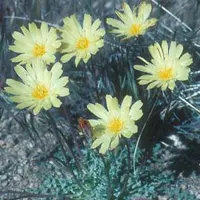
The leaves are finely divided into many narrow lobes, creating a soft, fern-like texture that helps distinguish it from many other hardy geraniums with broader, less dissected foliage.

Long, sporadic flowering

In mild climates it can flower over a long season with many small, pale to mid-pink blooms appearing intermittently rather than in a single short flush, especially when conditions remain relatively cool and dry.

FAQs about carpet crane's-bill

This species spreads moderately by short stems and self-seeding, forming a low, soft mat. It usually does not become a serious nuisance but can edge into nearby bare soil if not occasionally thinned or edged.

Grow Healthy Plants with Botan Care

Keep your plants happy and healthy with plant identification, disease detection, and easy care guidance.

Botan plant care app — identify plants on mobile

Explore More Plants