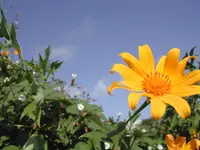
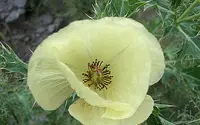
snakeberries Care (Clintonia borealis)

Also known as: bluebead, bluebead lily, yellow clintonia, Clinton's lily
snakeberries

About snakeberries

Snakeberries, or Clintonia borealis, is a small woodland perennial native to cool, shaded forests in northeastern North America. It forms low clumps of broad, glossy green leaves close to the ground. In spring, it produces modest yellow-green flowers, followed by striking bright blue berries that give the plant its common name. The berries are ornamental only and should not be eaten. This species prefers consistently moist, humus-rich soil and dappled shade, similar to its natural forest floor habitat. In cultivation, it can be slow to establish and spread, so care for snakeberries requires patience and stable, cool conditions.

Main Plant Requirements

Care Difficulty

Moderate Care

Light Preference

Shade

Water Requirements

Keep Soil Moist

Temperature Preference

Cold Hardy

Hardiness Zone

2–6

Soil Texture

Loamy, Peaty, Organic-rich

Soil pH

Strongly acidic (4.5–5.5), Acidic (5.5–6.5)

Soil Drainage

Moist but well-drained

Fertilization

Minimal (feed rarely)

Get Personalized Care Plan

Scan your plant to receive care tips personalized for your specific plant

Available on iOS and Android

How to Care for the snakeberries

Clintonia borealis prefers cool, shaded woodland conditions and is sensitive to strong direct sun.

  • Provide dappled shade or high filtered light, with at most 1–2 hours of weak morning sun and no direct afternoon sun to protect foliage and snakeberries from scorch.
  • Aim for locations under deciduous trees where plants receive bright, indirect light for 4–6 hours, especially in spring before full leaf-out, then deeper shade in summer.
  • Avoid exposed south- or west-facing sites; leaves that yellow, crisp, or develop brown patches often indicate excessive sun, while stretched, floppy growth suggests insufficient light.

This woodland perennial needs consistently moist, cool soil but does poorly in waterlogged sites.

  • Maintain evenly moist soil by allowing only the top 1–2 cm to dry before the next watering, using rich, humus-based soil that retains moisture yet still drains freely.
  • Increase watering during active growth in spring and early summer, then reduce slightly in late summer and fall as rain patterns and cooler temperatures support Clintonia borealis naturally.
  • Watch for limp, curling leaves and dry soil as signs of underwatering, and for yellowing leaves, soft crowns, or a sour smell as indicators of chronic overwatering or poor drainage.

This species is adapted to cool, temperate forests and dislikes prolonged heat.

  • Support active growth in spring and early summer at 55–70°F (13–21°C), with cool nights that mimic natural woodland conditions.
  • The plant tolerates winter cold down to about -20°F (-29°C) under snow or mulch, but sudden freeze–thaw cycles with exposed crowns can cause tissue damage.
  • In hot spells above 80°F (27°C), provide extra shade and mulch to keep roots cool, since extended periods over 86°F (30°C) can stress plants and reduce vigor the following season.

This woodland species prefers consistently moist, cool air with moderate humidity.

  • Aim for 50–70% humidity to mimic damp forest-floor conditions for snakeberries.
  • Tolerates briefly drier indoor air, but prolonged humidity below 40% can cause leaf tip browning and slower growth.
  • Increase humidity by grouping plants, using a pebble tray with water below the pot base, or running a nearby cool-mist humidifier.

Clintonia borealis grows best in cool, moist, humus-rich soil that mimics a shaded forest floor.

  • Use a loose, organic-rich mix such as 2 parts leaf mold or compost, 1 part fine bark, and 1 part loam-based potting soil.
  • Ensure steady moisture with slow drainage, but avoid waterlogging that collapses pore spaces around the roots.
  • Keep soil slightly acidic, around pH 5.0–6.5, by incorporating pine needles or peat-free ericaceous compost.
  • Improve aeration by blending in fine bark or coarse sand, and avoid compacted, heavy clay or very sandy, fast-drying soils.

This species can be grown in containers if they are kept cool, shaded, and consistently moist.

  • Choose a wide, shallow pot to accommodate its creeping rhizomes and allow an even, cool root zone.
  • Use a thick-walled ceramic or clay container to buffer temperature swings and slow surface drying in shade.
  • Elevate the pot slightly on feet so excess water drains freely and the drainage holes never sit in standing water.

Clintonia borealis is a woodland perennial that generally thrives in humus-rich soil and needs only light feeding.

  • Apply a thin layer of leaf mold or compost around plants once each spring to mimic natural forest litter.
  • In poorer soils, use a balanced, slow-release fertilizer at 1⁄2 strength in early spring only.
  • Avoid summer and fall feeding to prevent soft growth before dormancy.
  • Do not fertilize during winter dormancy; maintain moisture and organic mulch instead.

Clintonia borealis needs minimal pruning, mainly to keep clumps clean and healthy.

  • In late fall or very early spring, remove dead or damaged leaves with clean hand pruners or scissors.
  • Clip spent flower stalks at the base after berries drop, which keeps the plant tidy without affecting vigor.
  • Avoid cutting healthy foliage during the growing season, as leaves are needed to build root reserves.
  • Thin only obviously overcrowded or declining shoots to improve airflow in dense shade gardens.

This species is usually grown in the ground, so care focuses on gentle transplanting rather than frequent repotting.

  • Transplant in early spring or early fall while soil is cool and moist to limit stress.
  • Move clumps only when growth is sparse, flowering declines, or crowns become overly crowded.
  • Lift with a broad trowel, keeping a generous soil ball around the shallow roots to avoid damage.
  • Replant at the same depth in a shaded, humus-rich site, water thoroughly, and mulch lightly to maintain moisture.

Clintonia borealis is most often propagated by careful division, with seed use mainly for long-term projects.

  • Divide established clumps in early spring just as new shoots emerge, keeping divisions with several buds and roots.
  • Replant divisions immediately into cool, moist, shaded soil, and water consistently until re-established.
  • For seeds, sow fresh, cleaned seed in a cold frame or outdoor pot, allowing natural winter chilling.
  • Use a loose, humus-rich medium and keep it evenly moist; germination can be slow and irregular over multiple seasons.

This woodland plant is cold hardy in northern climates and usually needs little special winter care outdoors.

  • Hardy to typical northern forest winters, it tolerates freezing soil once established.
  • After dormancy, leave fallen leaves or add a light mulch to insulate the root zone and conserve moisture.
  • In very exposed sites or containers, move pots into a sheltered, unheated area to reduce freeze–thaw stress.

Care Tips

Leaf litter mulch

Keep a thin, even layer of shredded leaf litter around the plants year-round to mimic woodland duff, conserve moisture, and slowly feed the shallow roots without disturbing them.

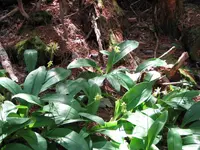
Cool root zone

In warmer gardens, interplant with low, shade-tolerant groundcovers to shade the soil surface and keep the root zone cool, which helps prevent midsummer stress and leaf scorch.

Gentle clump division

If flowering and berry production decline, divide clumps very early in spring while shoots are just emerging, moving large root sections intact and watering well to minimize transplant shock.

Slug and snail control

Monitor the emerging shoots in early spring and use physical barriers or hand-picking at dusk to limit slug and snail damage, which can severely deform the young leaves and reduce vigor.

Woodland companion planting

Plant alongside other slow-spreading, moisture-loving woodland species rather than aggressive groundcovers, so the plants are not outcompeted for light and root space when growing snakeberries in shaded beds.

Common Pests and Diseases

Slugs and snails

This pest is strongly attracted to the tender, shady woodland foliage and can rapidly chew large holes in leaves or remove entire young shoots. Symptoms include ragged leaf edges, slime trails, and damage concentrated near the soil surface.

Solution

Hand-pick at dusk or after rain, use slug traps or iron phosphate bait, and keep leaf litter slightly thinned around plants without exposing the soil completely. Maintain consistent soil moisture but avoid overwatering, and use coarse mulch (pine needles, grit, or crushed eggshells) to create a rough barrier around clumps.

Leaf spot fungi

This disease appears as small water-soaked or brown spots on leaves that may expand, merge, and cause premature yellowing, especially in cool, damp woodland sites. Symptoms include irregular lesions, sometimes with a darker border, starting on lower or shaded leaves.

Solution

Remove and discard affected leaves as soon as spotting appears and keep spent foliage cleaned up in autumn to reduce spore carryover. Provide good spacing for airflow, water at soil level rather than overhead, and in severe or recurring cases use a registered copper or chlorothalonil fungicide labeled for ornamental perennials according to directions.

Powdery mildew

This disease produces a white, powdery coating on upper leaf surfaces, particularly when nights are cool and humidity is high but foliage stays relatively dry. Symptoms include dull, grayish patches that can lead to distorted or weakened leaves over time.

Solution

Increase air circulation by thinning surrounding vegetation and avoid crowding clumps, and water the soil in the morning rather than wetting foliage late in the day. Remove heavily infected leaves and, if needed, apply a labeled sulfur or potassium bicarbonate product to protect new growth, especially in sites with a history of powdery mildew on shade perennials.

Interesting Facts

Berries are not edible

The bright blue fruits are considered toxic to humans and should not be eaten, despite their attractive appearance and berry-like form.

Specialist pollinator reliance

Its nodding greenish-yellow flowers are mainly pollinated by small bees and flies that are active in cool spring forests, which matches the plant’s early flowering period under leafless trees.

Indicator of cool forests

Populations often indicate cool, moist, undisturbed northern hardwood or boreal forests, so botanists use its presence as a signal of relatively intact forest habitat.

Botan icon

Did you know?

The fleshy, bright blue fruits are consumed and dispersed by some forest birds and small mammals, which pass the seeds through their digestive systems and help the plant colonize new shaded patches of forest over time.

FAQs about snakeberries

All parts of this species, especially the bright blue berries, are considered toxic if eaten. Ingestion may cause nausea, vomiting, and diarrhea. Keep pets and children from chewing leaves, stems, or fruits.

Grow Healthy Plants with Botan Care

Keep your plants happy and healthy with plant identification, disease detection, and easy care guidance.

Botan plant care app — identify plants on mobile

Explore More Plants