Staged root pruning
In containers, reduce circling roots every 2–3 years by gently teasing them out and trimming only the longest thick roots, which helps maintain a compact, healthy root system without shocking the plant.

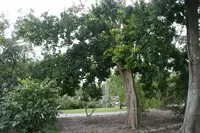
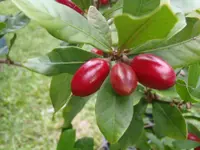
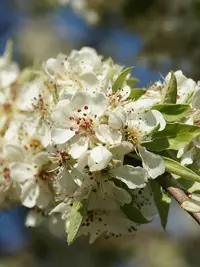
Bastard cherry, Ehretia tinifolia, is a small tree or large shrub known for its dense foliage and clusters of small white flowers followed by orange berries. It usually has a rounded, bushy habit and can be grown as a feature plant or integrated into mixed plantings in warm climates.
In nature, it occurs in dry to seasonally moist habitats across parts of the Americas, often on rocky or well-drained soils. It is considered moderately easy to grow where winters are mild, as it tolerates some drought once established but dislikes waterlogged ground.
Gardeners who learn how to care for Bastard Cherry usually focus on providing plenty of sun, well-drained soil, and protection from hard frost.

Care Difficulty
Moderate Care

Light Preference
Full Sun

Water Requirements
Moderate Water

Temperature Preference
Warm Climate

Hardiness Zone
9–11

Soil Texture
Sandy, Loamy, Rocky

Soil pH
Slightly acidic (6.5–7.0), Neutral (7.0)

Soil Drainage
Well-drained

Fertilization
Minimal (feed rarely)
Scan your plant to receive care tips personalized for your specific plant
Available on iOS and Android
This shrub prefers bright conditions with several hours of direct sun for strong growth and flowering.
This species prefers evenly moist, well-drained soil that dries slightly between waterings.
This shrub favors warm, frost-free climates and is sensitive to prolonged cold.
Ehretia tinifolia handles a wide range of conditions, but moderate ambient humidity supports healthier foliage.
Ehretia tinifolia prefers a lean, well-drained mineral-based substrate that mimics dry woodland or scrub soils.
This species adapts reasonably well to container growing when provided with stable, free-draining conditions.
Ehretia tinifolia usually needs modest feeding, especially when grown in poor soils or containers.
Pruning Ehretia tinifolia helps maintain a healthy framework and encourages good flowering.
This species is more often planted in the ground, so focus on careful transplanting rather than frequent repotting.
Ehretia tinifolia is usually propagated by seeds or semi-ripe cuttings under controlled conditions.
This shrub is moderately cold hardy in suitable climates but benefits from some winter attention in colder areas.

Plant Health Check
Not sure what's wrong with your plant? Check your plant's health inside the app.
This shrub occurs naturally from the southern United States through Mexico and Central America into parts of northern South America, showing high ecological flexibility across dry forests, scrub, and rocky slopes.
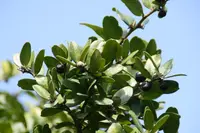
Its small, often slightly leathery leaves reduce water loss, an adaptation that allows the plant to persist in seasonally dry and exposed habitats.
The small orange to red drupes are eaten by birds, which then disperse the seeds and help maintain populations across fragmented dry landscapes.

Indigenous and rural communities in parts of Mexico have traditionally used the sweet, pulpy fruits of this species as a minor wild food and for making simple preserves, reflecting its role as a locally valued but rarely cultivated resource.
Growth is moderate. In suitable outdoor conditions it often adds 20–40 cm per year once established. Young plants may grow more slowly while roots develop, then speed up with consistent moisture, warmth, and good soil structure.
Keep your plants happy and healthy with plant identification, disease detection, and easy care guidance.