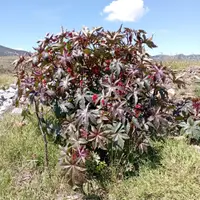
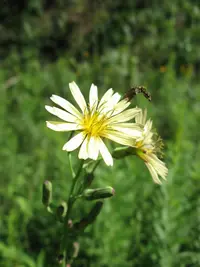
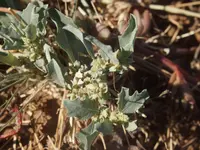
eggleaf spurge Care (Euphorbia oblongata)

Also known as: Balkan Spurge, oblong spurge
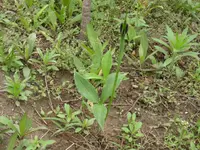
eggleaf spurge

About eggleaf spurge

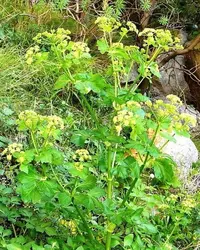
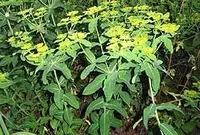
Eggleaf spurge (Euphorbia oblongata) is a perennial herbaceous plant grown mainly for its lime-green bracts and airy, branching stems. It often forms loose clumps that blend well into mixed borders and naturalistic plantings.

This species is native to parts of Europe and western Asia, where it thrives in sunny, open habitats with well-drained soils. It is generally considered easy to grow, adapting to a range of garden conditions if soil does not stay waterlogged.

Plants tolerate some drought once established and usually need only light maintenance, which makes it straightforward for gardeners learning how to care for eggleaf spurge.

Main Plant Requirements

Care Difficulty

Easy Care

Light Preference

Full Sun

Water Requirements

Moderate Water

Temperature Preference

Warm Climate

Hardiness Zone

6–9

Soil Texture

Sandy, Loamy, Rocky

Soil pH

Slightly acidic (6.5–7.0), Neutral (7.0)

Soil Drainage

Well-drained

Fertilization

Minimal (feed rarely)

Get Personalized Care Plan

Scan your plant to receive care tips personalized for your specific plant

Available on iOS and Android

How to Care for the eggleaf spurge

This species prefers bright outdoor conditions with protection from the harshest midday sun.

  • Provide 6–8 hours of direct sun daily, ideally with morning sun and light afternoon shade to reduce leaf scorch risk.
  • In hot summers, use filtered light or partial shade (especially 12–3 p.m.) to prevent yellowing or crispy leaf edges on eggleaf spurge.
  • If stems become weak, elongated, or lean strongly toward the light, increase sun exposure by moving to a more open, south- or west-facing spot.

Euphorbia oblongata prefers infrequent, deep watering and well-drained soil.

  • Allow the top 3–5 cm of soil to dry before watering again, then water thoroughly so moisture reaches the deeper root zone.
  • In cool or rainy seasons, reduce frequency and rely more on soil feel; consistently wet or sticky soil indicates the need for better drainage or less water.
  • Watch foliage and stems: soft, collapsing, or yellow lower leaves suggest overwatering, while drooping, thin stems and dry, shrinking soil signal underwatering.

This plant grows best in mild, temperate conditions without extreme heat or frost.

  • Aim for active growth temperatures around 60–75°F (16–24°C), where stems remain firm and foliage color stays strong.
  • Protect plants when temperatures approach 28–30°F (-2 to -1°C), as hard frost can damage young shoots and reduce flowering the following season.
  • In hot summers above 85–90°F (29–32°C), provide mulch and light afternoon shade to limit heat stress and reduce sudden wilting during dry, windy periods.

This species handles typical indoor humidity well and rarely needs special adjustments.

  • Aim for 30–50% humidity; the plant tolerates drier air better than prolonged damp, stagnant conditions.
  • Dry, crisp leaf margins usually indicate underwatering or excess sun rather than low humidity stress.
  • If air is extremely dry from heating, place eggleaf spurge near other plants or above a pebble tray to slightly raise local humidity without wetting the stems.

This plant prefers sharply draining, mineral-based soil that does not stay wet for long.

  • Use a sandy or gritty loam with 30–50% coarse material such as perlite, pumice, or horticultural grit to boost drainage and air spaces.
  • Keep pH slightly acidic to neutral, around 6.0–7.0, avoiding strongly acidic or alkaline mixes that can limit nutrient uptake.
  • Mix in a small amount of mature compost for nutrients but avoid heavy, peat-dominant blends that hold water around the roots.
  • For Euphorbia oblongata, avoid compacted clay or fine potting mixes; loosen dense soils with coarse sand or grit before planting.

This species is suitable for container growing outdoors in bright, well-drained positions.

  • Choose a heavy or wide-based pot to prevent tipping, as the tall, branching stems can make the plant top-heavy in wind.
  • Select a container only 2–4 in wider than the root system to avoid excess unused substrate staying wet in the lower zone.
  • Use a pot material like unglazed terracotta if extra evaporation is needed, as it helps the mix dry faster and reduces root rot risk.

This perennial performs well in average soil but benefits from light feeding during active growth.

  • Use a balanced liquid fertilizer (such as 10-10-10) at 1/2–1/4 strength for caring for eggleaf spurge in pots or poor soils.
  • Apply every 4–6 weeks during spring–summer when growth is strongest.
  • Avoid fertilizing in winter or dormancy to prevent weak, etiolated growth.
  • Where soil is lean, incorporate a small amount of compost or a slow-release granular fertilizer in early spring.

Thoughtful pruning keeps Euphorbia oblongata dense, tidy, and flowering well.

  • Best time is late winter or very early spring before strong new growth starts.
  • Remove dead, damaged, or crossing stems with clean, sharp hand pruners.
  • Thin congested shoots at the base to improve air flow and maintain an open, upright form.
  • Wear gloves and avoid skin contact with the milky sap when cutting stems.

This species is usually grown in the ground, so focus on careful transplanting rather than frequent repotting.

  • Transplant in early spring or early fall, when temperatures are mild and soil is workable.
  • Look for signs like slow growth, roots circling a pot, or plants outgrowing their space before moving them.
  • Lift with a generous root ball, disturb roots as little as possible, and replant at the same depth in well-drained soil.
  • Water gently after transplanting, then keep soil lightly moist for 1–2 weeks to limit root stress.

Euphorbia oblongata is commonly propagated by seed and, less often, by division or stem cuttings.

  • Sow fresh seeds in late winter–spring in trays of free-draining mix, barely covering the seed.
  • Provide 60–70°F temperatures, bright light, and consistently lightly moist substrate for germination.
  • For divisions, split established clumps in early spring, replanting sections promptly at the same depth.
  • Take non-flowering cuttings in late spring, allow sap to dry, then root in gritty, just-moist medium.

This hardy perennial generally tolerates typical temperate winters with minimal intervention once established.

  • In colder regions, apply a 5–8 cm layer of mulch in late fall to insulate the root zone.
  • Container plants are more vulnerable; move pots to a sheltered, unheated but frost-free spot if winters are severe.
  • Avoid waterlogged soil in winter, as persistent wet combined with freezing can damage roots.

Care Tips

Stake For Stability

Install slim stakes and loosely tie stems as they elongate to keep the plant upright and reduce the risk of wind damage or snapped flowering shoots.

Deadhead Safely

Remove spent flower stems by cutting them back close to a leaf node while wearing gloves, which encourages continued blooming and prevents unwanted self-seeding.

Control Self-Sowing

If you do not want seedlings everywhere, collect seed heads just as they start to dry and dispose of them, or bag the heads with fine mesh to catch seeds before they drop.

Handle Sap Carefully

Always wear gloves and avoid touching your face when cutting or dividing plants, since the milky sap can irritate skin and eyes; rinse tools after use to prevent residue buildup.

Rotate Plantings

When growing eggleaf spurge in mixed borders, shift its position or replant divisions every 3–4 years to prevent overcrowding and maintain strong, floriferous clumps.

Common Pests and Diseases

Aphids

This pest often colonizes the tender growing tips and flower stems, sucking sap and causing curled, distorted growth and sticky honeydew on leaves and buds.

Solution

Rinse colonies off stems and undersides of leaves with a firm stream of water, then spot-treat remaining clusters with insecticidal soap or a ready-to-use neem oil spray, repeating weekly until controlled. Encourage natural predators like lady beetles outdoors and avoid high nitrogen fertilization that promotes soft, aphid-prone growth when managing Euphorbia oblongata plant care.

Spider mites

These insects prefer hot, dry conditions and cause fine speckling, dull foliage, and delicate webbing between stems and leaves.

Solution

Increase humidity around the plant, then wash foliage thoroughly, including leaf undersides, with water or a mild insecticidal soap solution every 5–7 days until new growth appears clean. Improve air movement and avoid letting the soil stay bone dry for long periods, which favors mite build-up.

Powdery mildew

This disease shows as white, powdery patches on leaves and stems, leading to yellowing and premature leaf drop in dense or shaded plantings.

Solution

Remove and discard heavily affected leaves, then improve sun exposure and airflow by thinning crowded stems and nearby plants. If needed, apply a sulfur or potassium bicarbonate fungicide labeled for ornamentals, making sure foliage dries quickly after watering to reduce reinfection.

Leaf spot

Symptoms include small brown or tan spots on leaves that may merge into larger patches, sometimes with a yellow halo, especially in prolonged damp or overhead-watered conditions.

Solution

Prune off and discard affected leaves and any fallen debris around the plant, then shift to watering at soil level in the morning so foliage dries quickly. Increase spacing for better airflow and, in persistent cases, use a copper-based fungicide according to label directions to protect new growth.

Interesting Facts

Short‑lived perennial habit

This species behaves as a short‑lived perennial or biennial in mild climates, often flowering heavily for 2–3 years and then declining, which is why it commonly regenerates from self-sown seed in gardens.

Freely self‑seeding populations

In suitable soils it readily self‑seeds and can form loose colonies around disturbed ground edges, paths, or borders, which is why many gardeners treat it almost like a self-sowing annual when planning plantings.

Showy bracts, not petals

The bright yellow-green “flowers” seen in spring are mostly colorful bracts, which are modified leaves that surround the much smaller, less conspicuous true flowers clustered at their center.

FAQs about eggleaf spurge

Sparse or absent flowering often results from insufficient light, depleted soil nutrients, or old, congested stems. Light pruning of older growth and a balanced, slow-release fertilizer can improve blooming without stimulating overly soft, weak stems.

Grow Healthy Plants with Botan Care

Keep your plants happy and healthy with plant identification, disease detection, and easy care guidance.

Botan plant care app — identify plants on mobile

Explore More Plants