

Controlled spread management
Install 5–10 cm deep edging or plant in containers sunk into the ground to limit rhizome and seed spread, making it easier to keep coatbuttons confined to the intended area.

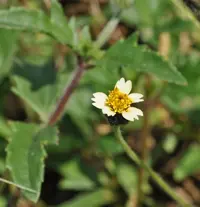
Coatbuttons (Tridax procumbens) is a low, spreading perennial herb often seen along roadsides, lawns, and disturbed ground in warm regions. It forms trailing stems that root as they creep and carry small daisy-like flower heads with yellow centers and whitish ray petals. Native to tropical parts of the Americas but now naturalized in many countries, it behaves as a weed in many outdoor settings. The plant grows quickly and self-seeds freely, which makes it easy to establish but harder to control. It prefers full sun, moderate moisture, and well-drained soil. Gardeners who want to learn how to care for coatbuttons should consider its vigorous, sometimes invasive, growth habit.

Care Difficulty
Easy Care

Light Preference
Full Sun

Water Requirements
Low Water

Temperature Preference
Tropical / Frost Sensitive

Hardiness Zone
9–13

Soil Texture
Sandy, Loamy, Rocky

Soil pH
Acidic (5.5–6.5), Slightly acidic (6.5–7.0)

Soil Drainage
Well-drained

Fertilization
Minimal (feed rarely)
Scan your plant to receive care tips personalized for your specific plant
Available on iOS and Android
This low, sprawling species prefers full sun but adapts to light shade in many warm climates.
This species is drought-tolerant and prefers to dry between waterings once established.
This warm-season plant grows best in stable, frost-free conditions.
Tridax procumbens handles a wide humidity range and rarely needs special humidity management.
This species thrives in lean, well-drained, often sandy soils and does not require rich substrates.
This species is suitable for container growing, especially when its spread needs control.
This wild species needs minimal feeding, but light nutrition can support growth in poor soils when caring for coatbuttons.
Pruning Tridax procumbens is mainly used to control spread and encourage compact, flowering growth.
This plant is usually grown in the ground, so focus on careful transplanting rather than frequent repotting.
Tridax procumbens spreads readily and is most often propagated from seed under controlled conditions.
In mild to warm climates, this species usually needs little specific winter care outdoors.

Plant Health Check
Not sure what's wrong with your plant? Check your plant's health inside the app.
Its tiny cypsela fruits carry a tuft of fine hairs, allowing seeds to be carried efficiently by wind and colonize disturbed soils, roadsides, and construction sites.
In warm climates it can produce small yellow-and-white daisies almost continuously through the year, providing nectar and pollen when many other wildflowers are not in bloom.
The plant is a known alternative host for several crop-infesting insects and plant viruses, so dense populations near fields can contribute to agricultural pest and disease cycles.

In some tropical regions, management guidelines list this species as an invasive weed of serious concern because its fast growth, prolific seeding, and ground-hugging stems allow it to outcompete native low-growing herbs and quickly dominate open sites.
This species spreads very aggressively through both seeds and creeping stems. In mild climates it can quickly colonize open soil, lawns, and roadsides, and is considered invasive in many regions, so regular monitoring and removal are important.
Keep your plants happy and healthy with plant identification, disease detection, and easy care guidance.

saffron crocus
Crocus sativus
 POPULAR
Small-leaf spiderwort
Tradescantia fluminensis
Bamboo-leaf orchid
Cymbidium lancifolium
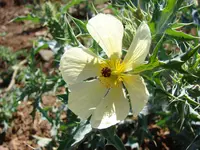
pale Mexican pricklypoppy
Argemone ochroleuca
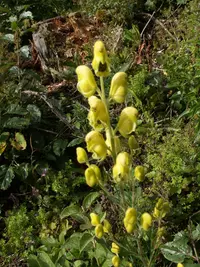
yellow monkshood
Aconitum anthora
meadow evening primrose
Oenothera pilosella
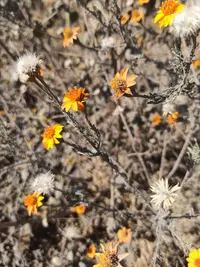
poreleaf dogweed
Adenophyllum porophyllum
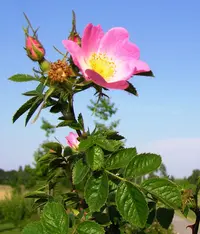
Sweet-briar
Rosa rubiginosa