Impatiens racemosa Care

About Impatiens racemosa

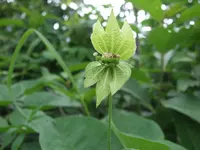
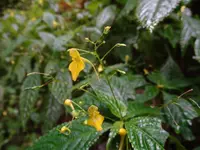
Impatiens racemosa is a herbaceous flowering plant in the balsam family, typically found in moist, shaded habitats. It forms soft, succulent stems with simple green leaves and delicate flowers held in loose clusters. The species occurs naturally in parts of Asia, often along stream banks, forest edges, and other consistently damp sites. It tends to grow quickly in the right conditions but can sulk or decline if soil dries out or heat is excessive. Gardeners who learn how to care for Impatiens racemosa usually find it manageable, provided it receives steady moisture, partial shade, and humus-rich, well-drained soil.

Main Plant Requirements

Care Difficulty

Moderate Care

Light Preference

Partial Shade

Water Requirements

Keep Soil Moist

Temperature Preference

Tropical / Frost Sensitive

Hardiness Zone

10–11

Soil Texture

Loamy, Silty, Organic-rich

Soil pH

Acidic (5.5–6.5)

Soil Drainage

Moist but well-drained

Fertilization

Light (every 4–6 weeks)

Get Personalized Care Plan

Scan your plant to receive care tips personalized for your specific plant

Available on iOS and Android

How to Care for the Impatiens racemosa

This species grows best in bright, gentle light that mimics a forest edge or lightly shaded garden.

  • Provide 2–4 hours of soft morning sun with dappled or filtered shade for the rest of the day, especially in summer.
  • Avoid harsh midday and afternoon sun, which can scorch leaves and fade flowers; light shade from 11 a.m.–3 p.m. is ideal for caring for Impatiens racemosa.
  • In deeper shade (under 2 hours of direct light), expect fewer flowers and leggier growth; increase brightness with reflective surfaces or lighter surroundings if possible.

Watering should keep the soil consistently moist but never saturated to support healthy roots and continuous flowering.

  • Water when the top 2–3 cm of soil feels slightly dry, aiming for even moisture down to at least 8–10 cm without waterlogging.
  • Use loose, well-drained soil so excess water escapes quickly; yellowing, soft stems suggest overwatering, while limp, drooping plants with dry soil indicate underwatering.
  • In hot, dry periods, check moisture daily, but in cool or rainy seasons extend intervals; newly planted Impatiens racemosa may need more frequent checks until established.

Stable, mild temperatures support strong growth and flowering for this species.

  • Aim for 65–80°F (18–27°C) during active growth; flowering and foliage quality decline outside this range for long periods.
  • Protect from frost; growth stops near 40°F (4°C), and freezing temperatures can quickly kill stems and buds, so consider seasonal removal or protection in cold climates.
  • In hot spells above 85°F (29°C), provide extra shade and soil moisture; avoid planting against reflective walls or heat-retaining surfaces that can stress the plant.

This species prefers moderately moist, humid air to maintain steady growth.

  • Aim for 50–70% humidity, as drier air slows growth and can reduce flowering.
  • Leaves may wilt, curl, or develop brown, crisp edges when humidity is too low, even if soil is moist.
  • Increase humidity with grouped plants, a pebble tray kept wet below the pot base, or a room humidifier.

Impatiens racemosa grows best in light, moist, well‑aerated soil that drains freely but does not dry out quickly.

  • Use a loose, loamy mix with high organic matter, such as 2 parts compost or leaf mold, 1 part garden loam, and 1 part perlite or sharp sand.
  • Ensure fast drainage so water does not pool; standing water around the roots encourages rot and stem collapse.
  • Target slightly acidic to neutral pH around 6.0–7.0, which supports nutrient availability and healthy root function.
  • Improve aeration in heavy or clay soil by incorporating coarse sand, fine bark, or perlite through the top 15–20 cm before planting.

This plant is suitable for container growing when moisture and root space are managed carefully.

  • Select a pot slightly wider than the root spread so the substrate stays evenly moist without remaining waterlogged.
  • Choose a heavier or wider-based container if the upper growth becomes lush and top-heavy to prevent tipping in wind.
  • Use a potting mix that drains faster than garden soil, then empty saucers promptly to avoid constant saturation at the base.

Nutrient-rich but well-drained soil is usually enough, yet light feeding supports stronger growth and flowering in Impatiens racemosa.

  • Use a balanced liquid fertilizer (for example 10-10-10 NPK) at 1/4–1/2 strength every 3–4 weeks during the warm growing season.
  • Alternatively, top-dress with a thin layer of fine compost in spring to boost soil organic matter.
  • In containers, a low-dose slow-release fertilizer in early spring can provide steady nutrients for several months.
  • Stop feeding in late fall and over winter, as low light and cool temperatures reduce nutrient demand.

Thoughtful pruning keeps Impatiens racemosa compact, healthy, and flowering well.

  • Time main pruning for late winter to early spring, before vigorous new growth begins.
  • Remove dead, damaged, or diseased stems first, cutting back to healthy tissue with clean, sharp shears.
  • Thin crowded interior stems to improve air flow and light penetration, which helps limit fungal problems.
  • Pinch or lightly trim soft tips after flowering to maintain a bushy shape without heavy cutting.

This species is more often transplanted in beds than kept long term in containers, but it tolerates moving if handled carefully.

  • Look for roots circling the pot, water draining too quickly, or reduced vigor as signs a container plant needs more space.
  • Carry out transplanting or repotting in spring, when active growth helps roots re-establish more quickly.
  • Plan on moving container plants every 1–2 years into a pot only 2–5 cm wider, using fresh, moist, well-drained mix.
  • Water thoroughly before and after moving, keep roots shaded, and avoid disturbing the root ball more than necessary to limit stress.

New plants of Impatiens racemosa are usually raised from seed, with stem cuttings as a secondary option in suitable conditions.

  • Sow fresh seed in late winter to early spring on a moist, free-draining seed mix, barely covering the seeds.
  • Maintain gentle warmth around 68–75°F and bright, indirect light to support uniform germination.
  • Keep the substrate evenly moist but not waterlogged, using a fine mist to avoid displacing small seeds.
  • For softwood cuttings, take non-flowering shoots in late spring, use rooting hormone, and root in high humidity with bottom warmth.

This species is frost sensitive and benefits from simple winter protection in cooler climates.

  • In regions with frost, treat it as a tender plant and grow in containers that can be moved indoors before temperatures drop below 40°F.
  • Use a 3–5 cm layer of loose organic mulch around the root zone outdoors to buffer short cool spells.
  • Indoors over winter, keep plants in bright, indirect light, water sparingly, and avoid cold drafts near windows or doors.

Care Tips

Pinch for bushiness

Regularly pinch back soft shoot tips every 3–4 weeks during active growth to encourage branching and a fuller, more floriferous clump rather than tall, sparse stems.

Staggered renewal planting

In cooler climates, start a second batch of seedlings 4–6 weeks after the first sowing so that older plants can be replaced mid-season if they become leggy, extending the display period.

Targeted slug control

In shaded, moist sites, place iron-phosphate slug pellets or beer traps around young plants at dusk, since tender Impatiens stems are highly attractive to slugs and snails.

Shaded root mulching

Apply a 2–3 cm layer of fine compost or leaf mold around the base, keeping it off stems, to keep roots cool and moist and to reduce splash-borne foliar disease.

Clean propagation tools

When taking cuttings for caring for Impatiens racemosa, disinfect blades with 70% isopropyl alcohol between plants to limit the spread of viral and bacterial issues that can move through sap.

Common Pests and Diseases

Downy mildew

This disease causes pale, yellowed patches on the upper leaf surface and a gray to white downy growth on the undersides, often leading to leaf distortion and drop. Symptoms include rapid defoliation in cool, humid conditions or in dense plantings.

Solution

Remove and dispose of affected leaves and heavily infected plants, and avoid overhead watering to keep foliage dry. Improve spacing and airflow, water at soil level in the morning, and use a phosphonate or other labeled fungicide preventively where downy mildew is known to occur as part of broader Impatiens racemosa care instructions.

Botrytis blight

This disease produces soft, water-soaked spots on flowers and leaves that develop a fuzzy gray mold, especially in cool, damp weather. Symptoms include rapid collapse of petals and mushy stems near the soil line or at pruning wounds.

Solution

Promptly prune out and discard all infected tissue and remove spent flowers from the plant surface. Increase ventilation, reduce leaf wetness, avoid crowding, and, in persistent cases, apply a labeled botrytis-active fungicide while maintaining dry, clean growing conditions.

Aphids

These insects cluster on shoot tips and the undersides of leaves, sucking sap and causing curling, distortion, and sticky honeydew deposits. This pest can also encourage sooty mold growth on leaves where honeydew accumulates.

Solution

Dislodge colonies with a firm stream of water, then treat remaining insects with insecticidal soap or a light horticultural oil, thoroughly coating stems and leaf undersides. Monitor regularly, remove heavily infested shoots if practical, and reduce excess nitrogen fertilization that promotes very soft, attractive growth.

Thrips

These insects feed by rasping and sucking on leaves and flowers, creating silvery streaks, flecking, and deformed blooms or buds. Symptoms include fine black specks of excrement and petals that appear scratched or discolored before opening fully.

Solution

Remove and discard distorted flowers and buds, then use blue or yellow sticky traps to monitor and reduce adult numbers. Apply insecticidal soap or a systemic insecticide labeled for ornamental thrips if needed, and limit plant stress by providing consistent moisture and avoiding hot, dry, stagnant air around the plants.

Impatiens necrotic spot virus

This disease causes ring spots, mottling, and distorted, stunted growth, often with dark, dead patches on leaves and stems. Symptoms include poor flowering and plants that fail to recover even under good cultural conditions.

Solution

Immediately remove and destroy symptomatic plants, including roots, since there is no cure once infected. Control thrips, which spread the virus, avoid reusing potting media or tools without cleaning, and source new plants from reputable suppliers that monitor stock for viral diseases.

Interesting Facts

Himalayan stream specialist

This species is naturally restricted to the eastern Himalayas, where it grows along shaded, moist streambanks and forest edges at mid to high elevations.

Distinctive raceme flowering

Unlike many garden impatiens with solitary flowers, this species bears its pink to purplish flowers in elongated racemes, meaning multiple blooms are arranged along a central flowering axis.

Narrow ecological niche

It tends to occupy cool, humid microhabitats with constant seepage or dripping water, which limits its wild distribution but also makes it a useful indicator of stable, undisturbed montane moisture regimes.

FAQs about Impatiens racemosa

This species is typically a short-lived perennial in mild, frost-free climates but may behave as an annual where winters are cold. In colder regions it usually dies back and is restarted each year from seed or cuttings.

Grow Healthy Plants with Botan Care

Keep your plants happy and healthy with plant identification, disease detection, and easy care guidance.

Botan plant care app — identify plants on mobile

Explore More Plants