Narcissus-flowered Anemone Care (Anemonastrum narcissiflorum)

Also known as: Narcissus Thimbleweed, narcissus anemone
Narcissus-flowered Anemone

About Narcissus-flowered Anemone

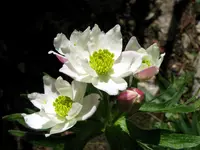
Narcissus-flowered anemone, Anemonastrum narcissiflorum, is a cold-hardy perennial from mountain meadows and open woodland edges in northern Europe, Asia, and North America. It forms low clumps of divided, fresh green leaves and sends up upright stems topped with clusters of white, daffodil-like flowers. The blooms have a clean, simple appearance that suits naturalistic and rock gardens. This species prefers cool conditions and consistent moisture, which can make it challenging in hot, dry climates. It suits gardeners who can provide humus-rich, well-drained soil and light shade, especially in warmer regions, and want to learn how to care for Narcissus-flowered Anemone.


Main Plant Requirements

Care Difficulty

Moderate Care

Light Preference

Partial Sun

Water Requirements

Regular Water

Temperature Preference

Cold Hardy

Hardiness Zone

3–7

Soil Texture

Loamy, Silty, Organic-rich

Soil pH

Acidic (5.5–6.5), Slightly acidic (6.5–7.0)

Soil Drainage

Moist but well-drained

Fertilization

Minimal (feed rarely)

Get Personalized Care Plan

Scan your plant to receive care tips personalized for your specific plant

Available on iOS and Android

How to Care for the Narcissus-flowered Anemone

This alpine perennial prefers bright conditions with gentle sun exposure rather than harsh midday heat.

  • Provide 4–6 hours of morning sun or light dappled shade; Narcissus-flowered Anemone performs best with protection from strong afternoon sun.
  • In warmer regions, choose a site with partial shade (especially after 1–2 pm) to prevent leaf scorch and premature bloom fade.
  • In cooler climates, a more open, east- or north-facing position is suitable; watch for weak, floppy growth as a sign of insufficient light and move to a brighter spot if possible.

This species prefers consistently moist but never waterlogged soil, especially during active growth and flowering.

  • Water when the top 2–3 cm of soil feels slightly dry, aiming to maintain cool, evenly moist conditions around the shallow roots.
  • Use humus-rich, free-draining soil; standing water or heavy clay increases risk of root rot, often shown by yellowing, limp foliage.
  • Reduce watering once flowering finishes and growth slows; dry, curling leaves signal underwatering, while soft, blackened crowns indicate chronic excess moisture.

This cold-tolerant perennial is adapted to cool summers and snowy winters rather than prolonged heat.

  • Optimal growth occurs around 50–68°F (10–20°C), with strong flowering in cool spring and early summer conditions.
  • Dormant crowns typically tolerate winter cold down to about 0°F (−18°C) under snow cover or mulch, but exposed plants benefit from insulation.
  • Extended heat above 80°F (27°C) can stress plants; provide partial shade and consistent soil moisture during hot spells to reduce temperature stress.

This species is naturally tolerant of low to moderate humidity, so air moisture is rarely a limiting factor.

This species prefers cool, moist, well-drained, humus-rich soil that mimics mountain meadow conditions.

  • Use a loose, loamy mix built from roughly equal parts garden loam, leaf mold or compost, and coarse sand or fine grit.
  • Ensure sharp drainage so water does not pool around the crown; raised beds or berms help on heavy sites.
  • Aim for slightly acidic to neutral pH, around 6.0–7.0, avoiding strongly alkaline or chalky substrates.
  • Improve aeration and structure in clay by incorporating coarse sand, fine gravel, and well-rotted organic matter before planting Anemonastrum narcissiflorum.

This species can be grown in containers, but pots should be managed carefully to keep roots cool and evenly moist outdoors.

  • Choose a tall, insulated or thick-walled pot that protects roots from rapid temperature swings and drying in sun or wind.
  • Use a wide, heavy container base or add weight at the bottom to stabilize the plant against strong gusts in exposed sites.
  • Select a gritty, moisture-retentive mix and water so that excess drains quickly, avoiding both waterlogging and sudden drought in the limited soil volume.

This mountain wildflower grows in lean soils and usually needs minimal feeding in garden settings.

  • If growth or flowering declines, apply a light top-dressing of compost in early spring around, not on, the crowns.
  • Use a dilute balanced NPK fertilizer at 1/4–1/2 strength once at the start of active growth.
  • Avoid fertilizing during summer dormancy or winter, as Narcissus-flowered Anemone is not actively growing.
  • Do not apply high-nitrogen products, which can cause weak, lush foliage and fewer flowers.

Pruning needs for Anemonastrum narcissiflorum are light and focused on keeping clumps healthy.

  • Best time to prune is after flowering finishes or in late autumn, when stems begin to decline.
  • Remove dead, damaged, or diseased stems at the base with clean, sharp scissors or hand pruners.
  • Thin out congested shoots to improve air flow and maintain a tidy, natural clump shape.
  • Snip spent flower stems to direct energy back to the roots rather than seed production.

This species is usually grown in the ground, so care focuses on dividing and transplanting mature clumps rather than frequent repotting.

  • Look for crowded clumps, reduced flowering, or bare centers as signs that division or transplanting is needed.
  • Plan to lift and divide plants every 3–5 years in early spring or early autumn, during cool, moist weather.
  • Gently dig up the clump, tease apart sections with several buds and roots, and replant at the same depth.
  • Water thoroughly after transplanting and keep soil evenly moist for several weeks to limit root stress.

Anemonastrum narcissiflorum is most often propagated by division, with seed used mainly for larger or naturalistic plantings.

  • Divide established clumps in early spring or early autumn, when temperatures are cool and soil is moist.
  • Lift the plant carefully, then separate into small sections, each with healthy buds and fibrous roots.
  • Replant divisions immediately at original depth in free-draining, humus-rich soil, then water well.
  • For seed, sow fresh seed in pots outdoors, allow natural winter cold to break dormancy, and keep moist but not waterlogged.

This hardy perennial is adapted to cold climates and generally needs little special winter attention in the ground.

  • Plants tolerate freezing temperatures and snow once established in well-drained soil.
  • Apply a light mulch layer after the ground cools to stabilize soil temperature and protect crowns.
  • In containers, move pots to a sheltered, unheated but frost-free or slightly protected spot to avoid root damage from repeated freeze–thaw.

Care Tips

Snowmelt moisture mapping

In late winter, note where snow lingers and where it melts fastest, then site plants just below consistent snowmelt lines to give crowns steady spring moisture without prolonged ice cover when growing Narcissus-flowered Anemone.

Cool root shading

Plant low, shallow-rooted groundcovers or use a light organic mulch around, but not touching, the crowns to keep root zones cool and reduce stress during unexpected warm spells.

Gentle slope placement

Position plants on a slight slope or raised contour so excess spring rain or snowmelt drains away from the crowns, which helps prevent crown and root rot in heavy or compacted soils.

Self-seeding management

After flowering, leave some spent blooms to set seed in naturalistic plantings for slow colony expansion, but deadhead promptly in tighter beds or rock gardens to keep clumps compact.

Rodent and slug protection

In areas with voles or mice, use fine hardware cloth baskets at planting and set low, covered slug traps in early spring, before foliage elongates, to protect emerging shoots.

Common Pests and Diseases

Powdery mildew

This disease causes white, powdery patches on leaves and stems, often in crowded or humid plantings. Symptoms include distorted growth and premature yellowing or browning of foliage.

Solution

Remove and discard heavily infected leaves to reduce spore load, then thin surrounding vegetation to improve air circulation around the clump. Avoid overhead watering, water at soil level in the morning, and if needed apply a sulfur or potassium bicarbonate fungicide labeled for ornamentals at the first signs of infection, following label directions carefully.

Downy mildew

This disease produces pale or yellow leaf spots with a grayish to purplish fuzz on the underside in cool, moist weather. Symptoms include stunted growth and early leaf drop in dense or shaded plantings.

Solution

Space plants to allow good airflow, water early in the day at soil level, and avoid prolonged leaf wetness. Remove and destroy infected foliage, clean up plant debris after flowering, and in severe cases use a phosphorus acid or copper-based fungicide suitable for ornamentals, applied preventively when wet, cool conditions are forecast.

Ranunculus leaf spot

This disease causes small brown or purple leaf spots that can merge into larger blotches, often starting on older leaves. Symptoms include tattered or scorched-looking foliage and reduced vigor over time.

Solution

Cut off and dispose of spotted leaves as soon as they appear, and keep the area around the plant free of fallen debris to limit reinfection. Improve drainage and airflow, avoid wetting foliage, and if spotting recurs yearly consider a preventive spray program with a broad-spectrum ornamental fungicide applied at leaf emergence according to label instructions.

Aphids

These insects cluster on young stems and buds, sucking sap and causing curling, distortion, and sticky honeydew deposits. This pest can attract ants and encourage sooty mold growth on affected parts.

Solution

Rinse colonies off stems and buds with a firm stream of water, repeating every few days until populations drop. For persistent infestations, apply insecticidal soap or a light horticultural oil to all above-ground parts, making sure to coat leaf undersides, and encourage natural predators such as lady beetles by avoiding broad-spectrum insecticides; this is a key step in Anemonastrum narcissiflorum plant care in mixed beds.

Leafminer larvae

This pest creates pale, winding tunnels inside the leaves as the larvae feed between leaf surfaces. Symptoms include thin, discolored trails that can cause affected leaves to yellow and die prematurely if heavily infested.

Solution

Remove and discard mined leaves as soon as the tunnels are seen to physically remove larvae before they mature. Limit fertilization that encourages overly lush, tender foliage, use floating row covers where practical in garden settings, and if damage is severe target the adult fly stage with yellow sticky traps or a selective insecticide labeled for leafminers and ornamental use, applied according to local guidelines.

Interesting Facts

High mountain specialist

This species is naturally restricted to cold, high-altitude and subarctic habitats in the Northern Hemisphere, where it grows in alpine meadows, tundra, and open rocky slopes that experience long winters and short, cool summers.

Narcissus-like flowers

The plant gets its name from its showy white flowers arranged in clusters that resemble small narcissus blossoms, each with several petal-like segments around a bright yellow center of stamens.

Early-season pollinator resource

In its native alpine range, it often flowers soon after snowmelt, providing one of the earliest nectar and pollen sources for cold-tolerant bees and other early-emerging insects in these harsh environments.

Botan icon

Did you know?

Taxonomically, this species has had a complex history and was long treated under the genus Anemone, so older floras may list it as Anemone narcissiflora, which can cause confusion when comparing regional plant guides and scientific literature.

FAQs about Narcissus-flowered Anemone

This species typically has a single main flowering period in late spring to early summer. Individual blooms last a short time, but clumps produce multiple flowers, creating a display over several weeks rather than repeated yearly flushes.

Grow Healthy Plants with Botan Care

Keep your plants happy and healthy with plant identification, disease detection, and easy care guidance.

Botan plant care app — identify plants on mobile

Explore More Plants