Bertoloni columbine Care (Aquilegia bertolonii)

Bertoloni columbine

About Bertoloni columbine

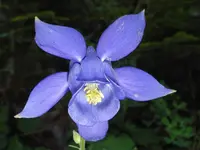
Bertoloni columbine (Aquilegia bertolonii) is a compact alpine perennial known for its delicate, nodding blue-violet flowers and finely divided, fern-like foliage. It usually forms low, tidy clumps that suit rock gardens, troughs, and small border edges.

This species is native to rocky slopes in the European Alps, where it grows in cool, well-drained, often gritty soils. It prefers sun to light shade and consistent but not excessive moisture, which makes it moderately easy to grow if drainage is good.

Gardeners who want to learn how to care for Bertoloni columbine should focus on providing cool roots, sharp drainage, and protection from very hot, humid conditions.

Main Plant Requirements

Care Difficulty

Moderate Care

Light Preference

Partial Sun

Water Requirements

Moderate Water

Temperature Preference

Cold Hardy

Hardiness Zone

4–8

Soil Texture

Sandy, Loamy, Rocky

Soil pH

Acidic (5.5–6.5), Slightly acidic (6.5–7.0)

Soil Drainage

Well-drained

Fertilization

Minimal (feed rarely)

Get Personalized Care Plan

Scan your plant to receive care tips personalized for your specific plant

Available on iOS and Android

How to Care for the Bertoloni columbine

This alpine perennial prefers bright conditions with protection from harsh midday sun.

  • Provide 4–6 hours of direct morning sun with light or dappled shade in the afternoon, especially in warmer regions, to keep Bertoloni columbine foliage from scorching.
  • Plant where it receives partial shade, such as the east or north side of a building, or under open-canopy trees that give filtered light at midday.
  • In hot summers, increase afternoon shade; in cool or cloudy climates, allow closer to 6 hours of direct sun to support compact growth and flowering.

Aquilegia bertolonii prefers evenly moist but not saturated soil, especially during active growth and flowering.

  • Water when the top 3–5 cm of soil feels dry, applying a deep soak rather than light sprinkling so moisture reaches the full root zone.
  • Ensure sharply drained soil with added grit or coarse sand; standing water or heavy clay promotes root rot and yellowing, limp foliage as signs of overwatering.
  • In spring and early summer, monitor more often during dry spells; in cooler autumn weather, reduce frequency and watch for wilting or crisp leaves as signs of underwatering.

This species is a cool-temperate alpine plant that tolerates cold winters but dislikes prolonged extreme heat.

  • Aim for active growth in spring and early summer around 55–70°F (13–21°C), when foliage and flowering are strongest.
  • Dormant crowns tolerate winter lows down to about 0–5°F (-18 to -15°C) under mulch or snow cover, but sudden frost without insulation can damage exposed young shoots.
  • In hot climates, protect from extended periods above 85°F (29°C) by providing afternoon shade and consistent soil moisture to reduce heat stress and leaf scorch.

Aquilegia bertolonii grows best in typical outdoor humidity and rarely needs special humidity management.

Aquilegia bertolonii prefers cool, moist but sharply drained soil that never stays waterlogged.

  • Use a loose, loamy mix with high organic matter, such as garden loam blended with compost and coarse sand or fine grit.
  • Aim for slightly acidic to neutral pH around 6.0–7.0 to support nutrient availability and root health.
  • Improve drainage and aeration by incorporating 20–30% coarse mineral material like horticultural grit or perlite into the planting area.
  • Avoid heavy clay, compacted ground, or any site where water pools after rain, since prolonged saturation encourages crown and root rot.

This species can be grown in containers if the potting setup prevents soggy conditions and overheating of roots.

  • Choose a deep, narrow container to match its taproot, leaving at least 25–30 cm of soil depth for stable anchoring.
  • Use a heavy or terracotta pot to reduce overheating and to keep the plant stable against wind, since tall flower stems can catch gusts.
  • Elevate the container slightly on feet or bricks so drainage holes stay clear and excess water leaves the root zone quickly.

This alpine perennial needs only light feeding, as it is adapted to lean soils and excessive nutrients weaken growth.

  • Apply a thin layer of compost around Bertoloni columbine in early spring to support flowering without forcing lush foliage.
  • Use a balanced, slow-release fertilizer (around 10-10-10) at half strength once in spring for container-grown plants.
  • Avoid high-nitrogen products, which encourage soft leaf growth and reduce flower production.
  • Do not feed in late fall or winter, when the plant is dormant.

Pruning Aquilegia bertolonii focuses on tidying growth and encouraging continued flowering rather than reshaping the plant.

  • In late spring to early summer, deadhead spent flower stems at the base to promote additional blooms and reduce self-seeding.
  • Remove yellowing, diseased, or damaged leaves whenever noticed to limit disease spread and keep the clump compact.
  • In late fall, cut back dry stems to just above ground level using clean, sharp hand pruners.
  • Avoid heavy midseason cutting into healthy foliage, as this can stress the plant and reduce next year’s flowering.

This compact columbine is usually grown in rock gardens or borders, with transplanting done only when necessary.

  • Plan to transplant every few years if clumps thin out, flowering declines, or plants become shaded or crowded by neighbors.
  • Schedule moves for early spring or early fall, when temperatures are mild and soil moisture is even.
  • Lift the plant with a wide soil ball, disturbing the deep taproot as little as possible to limit shock.
  • Replant at the same depth in well-drained soil, water thoroughly, then keep evenly moist until new growth resumes.

Aquilegia bertolonii is commonly propagated from seed, with division used less often due to its taproot.

  • Sow fresh seeds in late summer to fall in trays outdoors, allowing natural winter chilling to break dormancy.
  • Provide bright light, moist but well-drained gritty mix, and cool conditions (50–60°F) to support germination in spring.
  • Thin or prick out seedlings once they have 2–3 true leaves, handling them gently by the leaves, not the stems.
  • Division of mature clumps in early spring is possible but stressful; divide only large, healthy plants and replant immediately.

This alpine perennial is generally cold hardy and needs only basic winter care in most temperate climates.

  • Tolerates typical frosts in USDA zones 4–8 once established, provided soil drains freely.
  • After hard frost blackens foliage, cut stems back to just above ground level to reduce disease carryover.
  • Apply a light mulch layer (2–5 cm) of leaf mold or compost over the crown in late fall, keeping mulch slightly away from stems.
  • For container plants in colder sites, move pots to a sheltered, unheated area to avoid repeated freeze–thaw cycles at the roots.

Care Tips

Rock crevice planting

Tuck plants into shallow crevices between rocks or paving where roots stay cool and drainage is sharp, which greatly improves longevity in wetter climates.

Summer dieback management

Mark plant locations with discreet labels before foliage dies back in summer so you avoid disturbing crowns when replanting or cultivating nearby.

Targeted deadheading

Regularly remove spent flower stems down to the basal foliage to reduce self-seeding and direct energy into root and crown strength rather than excess seed production.

Winter crown protection

In colder areas, apply a very thin, gritty mulch such as fine gravel around but not on top of the crown to protect it from freeze–thaw heaving without keeping it wet.

Root disturbance control

Avoid frequent lifting or division and keep nearby digging shallow, since this species resents root disturbance and performs best when left in place once established, which is key when growing Bertoloni columbine in rock gardens.

Common Pests and Diseases

Columbine leaf miner

This pest creates whitish, winding tunnels inside the leaves, often causing large blotches and cosmetic damage. Symptoms include papery, translucent areas where the larva has eaten the internal tissue.

Solution

Remove and dispose of affected leaves as soon as mines appear to break the life cycle. For repeated problems, apply a horticultural oil or spinosad spray targeted to the undersides of leaves in early spring when adults emerge, and avoid using broad-spectrum insecticides that harm natural predators.

Columbine sawfly

These insects skeletonize foliage, leaving only leaf veins and giving plants a chewed, lacy appearance. Damage often appears quickly in late spring to early summer.

Solution

Inspect plants regularly in late spring and hand-pick or shake off larvae into soapy water. If defoliation is severe, use a targeted insecticide such as spinosad or a low-impact contact insecticidal soap, making sure to coat both upper and lower leaf surfaces.

Powdery mildew

This disease causes a white to gray powdery coating on leaves, which may yellow, curl, and decline over time. Symptoms include reduced vigor and distorted new growth, especially in crowded or shaded plantings.

Solution

Improve air circulation by thinning surrounding plants and avoid wetting the foliage late in the day. Remove heavily infected leaves and, if needed, apply a sulfur-based or potassium bicarbonate fungicide at the first sign of symptoms, repeating according to label directions.

Columbine rust

This disease produces orange to brown pustules on the undersides of leaves and yellow spots on the upper surface. Severely affected foliage may turn brown and drop prematurely, reducing flowering and vigor.

Solution

Promptly remove and discard infected leaves to reduce spore levels and keep the area around plants free of volunteer columbines that can harbor the pathogen. In sites with a history of rust, increase spacing for better airflow and consider preventative fungicide sprays in early spring if conditions are consistently humid.

Aphids

These insects cluster on tender stems and buds, sucking sap and causing distorted growth and sticky honeydew that can attract sooty mold. Symptoms include curling leaves and weakened flowering stems, especially on young plants when trying to grow Aquilegia bertolonii in richer soils.

Solution

Spray colonies off with a strong stream of water and remove heavily infested shoot tips. For persistent infestations, use insecticidal soap or horticultural oil applied thoroughly to all plant surfaces, and encourage natural predators such as lady beetles by avoiding harsh broad-spectrum insecticides.

Interesting Facts

Tiny alpine specialist

This species is naturally restricted to high limestone cliffs and rocky slopes in the Maritime Alps of Italy and France, forming very small clumps compared with most other columbines.

Downward-facing flowers

Its nodding, blue-violet flowers are held on short stems and often hang downward, an adaptation that helps protect pollen and nectar from rain and strong mountain winds.

Limestone rock crevice habit

In the wild it often anchors itself in shallow pockets of gritty soil within limestone crevices, where roots exploit fine cracks in the rock to access moisture and minerals.

Botan icon

Did you know?

Aquilegia bertolonii has been used as a true rock garden benchmark species for over a century, because its naturally compact, cushion-forming habit and tiny stature allow it to thrive in carefully built stone troughs and crevice gardens that mimic its native cliff habitat.

FAQs about Bertoloni columbine

This alpine species performs best outdoors in cool, well-drained rock gardens or troughs. It dislikes warm, stagnant indoor air and low light. For long-term success, treat it as an outdoor perennial in a temperate climate.

Grow Healthy Plants with Botan Care

Keep your plants happy and healthy with plant identification, disease detection, and easy care guidance.

Botan plant care app — identify plants on mobile

Explore More Plants