Rocky soil mimic
When planting in the ground or a trough, mix in 30–50% coarse limestone gravel or angular grit to mimic its native Edwards Plateau habitat and improve drainage around the crown.

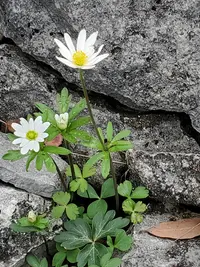
Edwards Plateau thimbleweed (Anemone edwardsiana) is a small perennial wildflower native to the rocky limestone regions of the Edwards Plateau in Texas. It forms low clumps of divided, fern-like leaves. Slender stems carry single, pale flowers that give way to fluffy seed heads, creating a delicate, airy look in spring. The plant is adapted to shallow, well-drained soils and a climate with cool seasons and hot, dry summers. It can be somewhat challenging to establish outside its native range, mainly due to its preference for specific soil and moisture conditions. Gardeners who want to care for Edwards Plateau thimbleweed should provide sun, good drainage, and protection from prolonged wet conditions.

Care Difficulty
Moderate Care

Light Preference
Partial Sun

Water Requirements
Moderate Water

Temperature Preference
Cool Climate

Hardiness Zone
7–9

Soil Texture
Loamy, Rocky, Sandy

Soil pH
Slightly acidic (6.5–7.0)

Soil Drainage
Well-drained

Fertilization
Minimal (feed rarely)
Scan your plant to receive care tips personalized for your specific plant
Available on iOS and Android
This species prefers bright but not harsh exposure that mimics its open, rocky native habitat.
This plant prefers evenly moist but never waterlogged soil, especially during active growth and flowering.
This anemone is adapted to mild to warm conditions with cool winters and tolerates some cold once established.
This species tolerates a broad humidity range and usually does not need special humidity management indoors or outdoors.
This species prefers mineral, fast-draining soil that mimics thin rocky or sandy prairie substrates.
This species can be grown in containers if drainage and root depth are carefully managed.
This Edwards Plateau thimbleweed is a light feeder that benefits from modest nutrition in poor soils or containers.
Pruning needs for Anemone edwardsiana are minimal and focus on cleanliness and encouraging healthy flowering.
This species is usually grown in the ground, so transplanting established clumps is more common than repotting.
Anemone edwardsiana is most often propagated by division, with seed used mainly for more advanced growers.
This species is generally cold hardy in its native range and needs only basic winter care in most temperate gardens.

Plant Health Check
Not sure what's wrong with your plant? Check your plant's health inside the app.
This species is naturally restricted to the Edwards Plateau region of central Texas, where it grows on thin, rocky limestone-derived soils in open habitats. Its distribution closely follows the unique geology of this uplifted plateau landscape.
The plant behaves as a spring ephemeral, producing leaves and flowering in early spring, then retreating to underground structures as heat and drought increase. This timing allows it to complete reproduction before summer stress becomes severe.
Its leaves form a low basal rosette with fine, often woolly hairs that help reduce water loss and protect tissues from intense sun and drying winds common on exposed limestone sites.
This species usually blooms in late winter to spring, often from February to April in its native range. Flowering lasts several weeks, with individual blossoms opening in succession rather than all at once.
Keep your plants happy and healthy with plant identification, disease detection, and easy care guidance.