rose bluet Care (Houstonia rosea)

rose bluet

About rose bluet

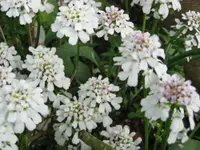
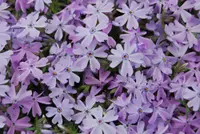
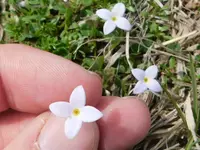
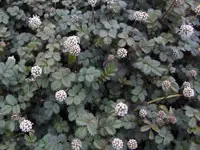
Rose bluet, Houstonia rosea, is a small, low-growing perennial wildflower in the coffee family. It forms loose mats or patches with fine, delicate stems and tiny leaves.

The plant produces soft pink to rose-colored, four-petaled flowers that often appear in spring and early summer, giving a light, airy look. It naturally occurs in eastern North America, typically in open woods, meadows, and moist, well-drained sites.

Rose bluet is generally considered moderately easy to grow if its need for consistent moisture and reasonably cool conditions is met. Light, humus-rich soil and partial sun usually provide a good starting point to care for rose bluet.

Main Plant Requirements

Care Difficulty

Moderate Care

Light Preference

Partial Sun

Water Requirements

Regular Water

Temperature Preference

Cold Hardy

Hardiness Zone

5–9

Soil Texture

Sandy, Loamy, Organic-rich

Soil pH

Acidic (5.5–6.5), Slightly acidic (6.5–7.0)

Soil Drainage

Moist but well-drained

Fertilization

Minimal (feed rarely)

Get Personalized Care Plan

Scan your plant to receive care tips personalized for your specific plant

Available on iOS and Android

How to Care for the rose bluet

This low, mat-forming wildflower prefers gentle light rather than intense exposure.

  • Provide 4–6 hours of morning sun with light or dappled shade in the afternoon, especially in warmer regions.
  • Allow partial shade (bright, open shade or high, filtered light) where summers are hot; full sun is better tolerated in cooler climates.
  • Watch leaves for stress: pale, scorched foliage indicates too much sun, while weak, elongated stems signal insufficient light for rose bluet.

This small perennial prefers consistently moist but not waterlogged soil.

  • Aim for soil that stays evenly damp in the root zone; outdoors, water when the top 2–3 cm feels barely moist rather than fully dry.
  • Use a loose, well-drained, sandy or loamy soil so excess water moves through quickly and roots receive both moisture and air.
  • In hot, dry spells, increase watering frequency; gray, crisp foliage indicates drought stress, while yellowing, limp stems suggest overwatering in Houstonia rosea.

This species is adapted to temperate climates with cool to mild summers and cold winters.

  • Active growth is strongest around 60–75°F (16–24°C), with flowering often best in cooler spring conditions within this range.
  • Established plants tolerate winter lows down to about 0°F (−18°C) when in the ground, especially with snow cover or light mulch.
  • Heat tolerance is moderate; in stretches above 85°F (29°C), combine partial shade with good soil moisture to reduce stress and prevent dieback.

This species handles a fairly wide humidity range but benefits from slightly moist air.

  • Aim for 40–60% humidity, similar to most homes, which supports steady growth of rose bluet.
  • It tolerates short dry spells in the air, but prolonged humidity below 30% can slow growth and cause leaf edge browning.
  • If air is very dry, group pots together outdoors, use a pebble tray with water below the pot base, or place near other vegetation to raise local humidity.

This low perennial prefers loose, moist, acidic soil that never stays soggy.

  • Use a light, sandy or loamy mix with fine texture that mimics woodland soil, such as 2 parts peat or coir, 1 part compost, and 1 part sharp sand.
  • Keep drainage fast yet moisture retentive; water should pass through quickly while the mix stays slightly damp between waterings.
  • Aim for slightly acidic conditions, roughly pH 5.0–6.5, which supports nutrient uptake and suits Houstonia rosea roots.
  • Avoid heavy clay, compacted ground, or mixes high in unamended garden soil that hold water and reduce air around the roots.

This species can be grown in shallow containers if moisture and drainage are carefully managed.

  • Choose a broad, shallow pot that allows its fibrous roots to spread horizontally rather than a deep, narrow container.
  • Select a relatively porous container material such as unglazed clay to help excess moisture evaporate and reduce waterlogging risk.
  • Elevate the pot on feet or bricks so drainage holes stay clear and excess water can exit quickly after rain or watering.

Houstonia rosea is a low-feeding native that benefits from light, targeted nutrition in poor soils.

  • Use a balanced, dilute liquid fertilizer (for example 10-10-10 at 1/4 strength) only if growth and flowering are weak.
  • Feed every 4–6 weeks during spring–early summer; skip feeding once flowering declines.
  • Alternatively, top-dress with a thin layer of compost in spring instead of synthetic products.
  • Stop fertilizing in late summer and during winter dormancy to avoid soft, frost-prone growth while caring for rose bluet.

Houstonia rosea needs only light pruning to stay tidy and blooming well.

  • Best timing is after the main flowering flush in late spring or early summer.
  • Shear or pinch back spent flower stems to encourage a denser mat and some rebloom.
  • Use clean scissors or hand shears to remove dead, damaged, or bare patches of growth.
  • Avoid cutting into healthy foliage too hard, as this groundcover relies on leaf area for vigor.

This species is more often transplanted in the garden than grown long term in containers.

  • Transplant in early spring or early fall when weather is cool and soil is moist.
  • Move clumps when growth looks crowded, flowering declines, or plants spread beyond their space (every 2–4 years).
  • Lift gently, keeping a solid soil ball to limit root tearing, and replant at the same depth in well-drained soil.
  • Water thoroughly after transplanting, then keep evenly moist for 1–2 weeks to reduce root stress and wilting.

Houstonia rosea is commonly propagated by division or seed to expand groundcover patches.

  • Divide established clumps in early spring or early fall, keeping several shoots and roots per division.
  • Replant divisions immediately into moist, well-drained soil, then water gently and shade from strong sun for a few days.
  • Sow fresh seed on the soil surface in fall or very early spring; light aids germination.
  • Maintain consistently moist, not waterlogged, conditions until seedlings or divisions are clearly established.

This small perennial is generally cold hardy in its native range and needs minimal winter care.

  • Tolerates light to moderate frost once established, especially in well-drained soil.
  • Apply a thin mulch layer (2–3 cm) of leaves or fine bark in late fall to buffer freeze–thaw cycles.
  • In containers, move pots to a sheltered, unheated area to prevent root damage from repeated hard freezes.

Care Tips

Pinch After Flowering

Lightly pinch or shear spent flower stems right after the main bloom flush to encourage a denser mat and a second, lighter wave of flowers instead of letting the plants become leggy.

Use Gravel Mulch

Top-dress around clumps with a thin (0.5–1 in) layer of fine gravel rather than bark mulch to keep crowns dry, suppress weeds, and protect the shallow root system from soil splash and compaction.

Create Slight Mounds

Plant on low, broad mounds or raised edges in heavier soils so excess water drains away from the crown, which significantly reduces the risk of crown and root rot in humid or rainy climates.

Dividing Aging Clumps

Every 2–3 years, lift and divide crowded mats in early spring using a knife or hand fork, then replant small vigorous sections at the same depth to maintain flowering performance and prevent die-out in the center.

Gentle Winter Protection

In colder areas, apply a very light, airy cover of pine needles or fine straw after the ground freezes to buffer freeze–thaw cycles, then remove most of it in early spring so new shoots are not smothered when growing rose bluet outdoors.

Common Pests and Diseases

Leaf spot

This disease causes small, irregular tan to dark-brown spots on leaves, often with a yellow halo and occasional premature leaf drop in moist weather.

Solution

Remove and discard heavily spotted foliage, avoid overhead watering, and water early in the day so foliage dries quickly. Improve air circulation around clumps, thin overly dense patches, and if the problem recurs yearly, use a copper or chlorothalonil fungicide labeled for ornamental perennials, applied according to label directions.

Powdery mildew

This disease appears as a white to grayish powdery coating on the upper leaf surfaces, which can lead to leaf distortion and reduced flowering in crowded or shaded sites.

Solution

Increase light and airflow by thinning nearby vegetation and avoiding tight clumps, and water at soil level rather than on the leaves. Remove the worst affected leaves and, in persistent cases, use a sulfur or potassium bicarbonate product labeled for powdery mildew on ornamentals, following label guidance for frequency and dilution.

Aphids

These insects cluster on tender stems and flower stalks, sucking sap and causing curling or yellowing foliage and sticky honeydew on nearby leaves.

Solution

Rinse colonies off with a firm stream of water and pinch back heavily infested stems to reduce numbers. For ongoing issues, introduce or conserve lady beetles and lacewings, or apply insecticidal soap or horticultural oil, coating stems and leaf undersides thoroughly while avoiding applications during hot, sunny periods.

Spider mites

This pest causes fine stippling, bronzing, and a dull appearance on leaves, sometimes with delicate webbing in hot, dry spells, which can stress small Houstonia rosea clumps.

Solution

Increase humidity around plants with regular gentle hosing to wash off mites and dust, paying attention to leaf undersides. If populations remain high, use insecticidal soap or a light horticultural oil labeled for mites, repeating at 5–7 day intervals until new growth appears clean.

Interesting Facts

Sandhill habitat specialist

This species typically grows in dry, open, sandy habitats such as pine barrens and sandhills in the eastern United States, often in nutrient-poor, acidic soils where many other wildflowers struggle to compete.

Spring-to-summer bloomer

Individual plants bear numerous small pink to rose-colored flowers mainly in spring and early summer, providing nectar and pollen resources for small bees and other short-tongued pollinators during that period.

Mat-forming growth habit

Houstonia rosea often forms low, loose mats or patches through short creeping stems, allowing it to cover bare sandy ground and stabilize soil surface layers against light erosion.

FAQs about rose bluet

This species is a short-lived perennial that often behaves like a self-seeding wildflower. Individual plants may only persist a few years, but they readily reseed, allowing a patch to maintain itself over time.

Grow Healthy Plants with Botan Care

Keep your plants happy and healthy with plant identification, disease detection, and easy care guidance.

Botan plant care app — identify plants on mobile

Explore More Plants