Maximize Airflow
Space plants at least 20–30 cm apart on slopes or raised mounds to keep foliage dry and reduce fungal disease risk when growing Santa Clara thorn-mint.

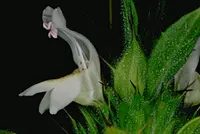
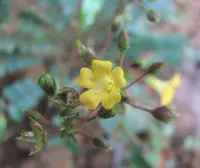
Santa Clara thorn-mint, Acanthomintha lanceolata, is a small, aromatic annual herb native to California’s coastal mountains and foothills. It grows in low, bushy clumps with dense, spiny foliage and small pale flowers that often have purple or pink markings.
This species is typically found on sunny, rocky slopes and in thin, well-drained soils, often over serpentine rock. It has a somewhat specialized habitat, so caring for Santa Clara thorn-mint can be challenging outside its native range.
The plant prefers bright light, low to moderate moisture, and gritty, fast-draining soil. Its compact size makes it more suitable for rock gardens, conservation plantings, and specialized native plant collections than for general landscaping use.

Care Difficulty
Hard Care

Light Preference
Full Sun

Water Requirements
Low Water

Temperature Preference
Warm Climate

Hardiness Zone
7–10

Soil Texture
Sandy, Loamy, Rocky

Soil pH
Slightly acidic (6.5–7.0), Neutral (7.0)

Soil Drainage
Well-drained

Fertilization
Minimal (feed rarely)
Scan your plant to receive care tips personalized for your specific plant
Available on iOS and Android
This sun-loving California native needs strong light to stay compact and aromatic.
This species is adapted to dry, rocky habitats and is sensitive to excess moisture.
This Mediterranean-climate shrub prefers mild, dry conditions with cool, wet winters and warm, dry summers.
This species prefers dry air and does not need elevated humidity.
Acanthomintha lanceolata requires very fast-draining, mineral-based soil to prevent root rot.
This species can be grown in containers if the pot and substrate keep roots very dry between waterings.
This California native generally thrives in lean soils and needs little or no fertilizer when grown in the ground.
Pruning Acanthomintha lanceolata is minimal and mainly done to keep plants healthy and compact.
This species is usually grown in the ground; transplanting should be done carefully to avoid disturbing its sensitive roots.
Propagation of Acanthomintha lanceolata is usually done by seed, with some success from softwood cuttings under controlled conditions.
This Mediterranean-climate native has moderate frost tolerance and usually needs little winter care in mild regions.

Plant Health Check
Not sure what's wrong with your plant? Check your plant's health inside the app.
This species is strongly associated with serpentine soils, which are low in essential nutrients and high in heavy metals, so it occupies a narrow ecological niche where many competing plants cannot survive.
The plant is native only to a limited area of the inner Coast Ranges of central California, where it grows on rocky slopes, open scrub, and chaparral margins.
Its leaves and bracts are covered with glandular hairs that release a strong mint-like scent when touched, and these glands may help reduce herbivory and water loss in its dry habitat.
This species behaves as a short-lived perennial or sometimes as a biennial, typically persisting 2–3 years. In cultivation it is often treated like an annual, with new plants raised regularly from seed to maintain strong flowering displays.
Keep your plants happy and healthy with plant identification, disease detection, and easy care guidance.