Rock crevice planting
Tuck plants into narrow rock crevices or between paving stones with sharp drainage to mimic natural alpine conditions and reduce crown rot risk when caring for Arenaria modesta.

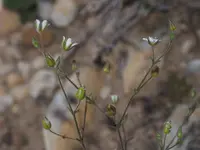
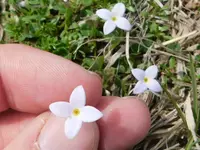
Arenaria modesta is a small, mat-forming perennial, often grown as a rock garden or alpine plant. It forms low, dense cushions of fine, narrow leaves. In season, it produces delicate, usually white star-shaped flowers that sit just above the foliage, creating a soft, textured carpet effect. Its compact growth makes it suitable for edging, troughs, and small crevices. This species is native to cool, mountainous or rocky habitats, where soils are free-draining and conditions are relatively open. It is generally considered moderate in difficulty, as it dislikes waterlogged soil and extreme heat. Those who care for Arenaria modesta should focus on good drainage, consistent but not excessive moisture, and bright light with some shelter from harsh conditions.

Care Difficulty
Moderate Care

Light Preference
Partial Sun

Water Requirements
Moderate Water

Temperature Preference
Cool Climate

Hardiness Zone
5–8

Soil Texture
Sandy, Loamy, Rocky

Soil pH
Acidic (5.5–6.5), Slightly acidic (6.5–7.0)

Soil Drainage
Well-drained

Fertilization
Minimal (feed rarely)
Scan your plant to receive care tips personalized for your specific plant
Available on iOS and Android
This alpine species thrives in bright, cool conditions with several hours of direct light daily.
This mat-forming plant prefers modest, consistent moisture in sharply drained soil.
This alpine perennial prefers cool conditions and tolerates significant cold when drainage is excellent.
This species prefers relatively dry air and does not need elevated humidity.
Soil for this alpine plant must be mineral, sharply drained, and never waterlogged.
This plant can be grown successfully in containers, especially troughs and shallow pots.
This alpine species grows well in lean soil and usually needs only light feeding.
Pruning needs for Arenaria modesta are minimal and mainly focused on tidying.
This rock garden plant is more often transplanted in the landscape than grown long term in containers.
Propagation of Arenaria modesta is feasible through division, short stem cuttings, or seeds under suitable conditions.
This alpine mat-former is generally cold hardy and needs little special winter care in the ground.

Plant Health Check
Not sure what's wrong with your plant? Check your plant's health inside the app.
This species is largely restricted to high-elevation granite rock outcrops and ledges in the southern Appalachian Mountains, showing a strong preference for acidic, nutrient-poor substrates that many other vascular plants cannot tolerate.
It forms tight, low cushions or mats with small, linear leaves, a growth form that helps reduce water loss and protect meristems (growth tissues) from frost and wind exposure in its exposed mountain habitats.
The natural distribution is highly localized to a few high peaks and ridges in states such as North Carolina and Tennessee, making its populations vulnerable to habitat disturbance and climate-driven shifts in alpine conditions.
Lack of flowers often comes from insufficient light, overly rich or wet soil, or heavy shearing at the wrong time. Avoid high-nitrogen fertilizer, keep soil sharply drained, and prune only lightly after flowering to protect next year’s buds.
Keep your plants happy and healthy with plant identification, disease detection, and easy care guidance.