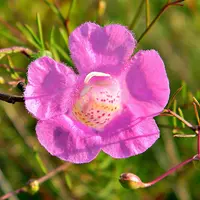
tobacco Care (Nicotiana paniculata)

Also known as: ornamental tobacco
tobacco

About tobacco

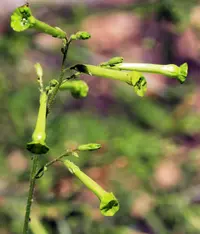
Nicotiana paniculata is an annual flowering tobacco with upright stems, soft green leaves, and airy clusters of small tubular blooms. It is grown mainly as an ornamental, not for commercial tobacco use. The plant is native to parts of South America and adapts well to warm, sunny garden conditions in many regions. It tends to be fast-growing but can be short-lived, so it suits gardeners who like quick seasonal color. It prefers full sun, moderate moisture, and well-drained soil, and these traits make it relatively straightforward for those learning how to care for tobacco.

Main Plant Requirements

Care Difficulty

Moderate Care

Light Preference

Full Sun

Water Requirements

Moderate Water

Temperature Preference

Warm Climate

Hardiness Zone

9–11

Soil Texture

Sandy, Loamy, Organic-rich

Soil pH

Acidic (5.5–6.5), Slightly acidic (6.5–7.0)

Soil Drainage

Well-drained

Fertilization

Light (every 4–6 weeks)

Get Personalized Care Plan

Scan your plant to receive care tips personalized for your specific plant

Available on iOS and Android

How to Care for the tobacco

Nicotiana paniculata prefers bright, direct sun in most temperate climates.

  • Provide 6–8 hours of direct sun daily, ideally with morning sun and light afternoon shade in very hot regions.
  • It tolerates light partial shade, but flowering and growth decline if it receives under 4–5 hours of sun.
  • Excessive harsh afternoon sun in hot summers can scorch leaves, while too little light causes tall, weak growth and fewer blooms, especially in late season.

This species prefers evenly moist but not waterlogged soil during active growth.

  • Water when the top 3–5 cm of soil feels dry, ensuring the root zone becomes moist to 15–20 cm depth, then drains freely.
  • Use well-drained, loamy soil; standing water, sour smell, or yellowing, limp leaves indicate overwatering and poor aeration.
  • In hot, dry weather, expect more frequent watering, while in cool or rainy periods reduce watering to avoid root rot in Nicotiana paniculata.

This plant grows best in warm, frost-free conditions typical of summer beds.

  • Optimal growth occurs at 65–80°F (18–27°C), with steady warmth supporting strong stems and continuous flowering.
  • It is frost-tender and usually damaged below 32°F (0°C); growth slows noticeably under 50°F (10°C).
  • Tobacco tolerates short heat spells up to about 90°F (32°C) if soil moisture is consistent, but prolonged extreme heat can cause leaf scorch and stalled flowering.

This species handles a wide humidity range and usually does not need special adjustment outdoors.

  • Target 40–60% humidity for optimal foliage and flower development when growing tobacco in sheltered or indoor-like spaces.
  • It tolerates short periods of dry air, but prolonged humidity below 30% can cause leaf edge browning and reduced flowering.
  • Increase humidity locally by grouping plants or placing trays of water and stones nearby rather than misting leaves directly.

This species prefers loose, well-aerated, moderately fertile soil that drains freely yet holds some moisture.

  • Use a loamy or sandy loam base enriched with 20–30% compost to provide nutrients and stable moisture without waterlogging.
  • Aim for slightly acidic to neutral pH around 6.0–7.0, avoiding very alkaline or saline soils that limit nutrient uptake.
  • Improve drainage and aeration by blending in 10–20% perlite or coarse sand, especially in heavy or compacted garden soil.
  • Avoid dense clay, poorly drained low spots, or soil that stays saturated for more than 24 hours after rain to prevent root rot in Nicotiana paniculata.

This species is suitable for container growing if the pot supports its fast top growth and root spread.

  • Choose a container at least 25–30 cm deep to accommodate the taproot and maintain upright stems in windy sites.
  • Select a heavier material like ceramic or thick-walled plastic to stabilize taller plants and reduce tipping risk.
  • Use a slightly wider pot than the rootball and fill with a fast-draining mix so excess water can leave quickly through drainage holes.

Nicotiana paniculata responds well to moderate feeding during its active growing season in spring and summer.

  • Use a balanced liquid fertilizer (such as 10-10-10 or 20-20-20) diluted to 1/2 strength every 2–3 weeks while growth is vigorous.
  • Alternatively, apply a thin layer of well-rotted compost or a low-dose slow-release fertilizer at planting time.
  • Reduce or stop feeding in fall and winter when growth slows, especially for tobacco grown in cooler climates.
  • Always water before and after applying fertilizer to limit root burn and encourage even nutrient uptake.

Nicotiana paniculata benefits from light, ongoing pruning to maintain flower production and a tidy shape.

  • Deadhead spent flower clusters throughout the growing season to extend blooming and prevent excessive self-seeding.
  • Remove dead, diseased, or storm-damaged stems promptly using clean, sharp scissors or hand pruners.
  • Thin crowded interior stems in mid-season to improve air flow and reduce fungal problems on foliage.
  • In late season, cut plants back close to ground level if treating them as annuals or after frost has blackened foliage.

This species is most often grown as a seasonal bedding plant, so focus on careful transplanting rather than frequent repotting.

  • Transplant seedlings outdoors after frost danger has passed and soil has warmed, spacing plants to allow good air movement.
  • Look for roots circling the plug or container holes and slowed top growth as signs it is time to move to a larger pot or the ground.
  • Handle the root ball gently, loosen tightly bound roots with fingers, and plant at the same depth into loose, moist, well-drained soil.
  • Water thoroughly after transplanting, then keep soil evenly moist for 7–10 days to reduce transplant shock and support new root growth.

Nicotiana paniculata is most commonly propagated from seed, which allows large numbers of plants at low cost.

  • Sow seeds indoors 6–8 weeks before the last frost, pressing them onto the surface of moist, fine seed-starting mix without covering.
  • Maintain 68–75°F and bright, indirect light; seeds usually germinate in 10–20 days if kept evenly moist.
  • Once seedlings develop 2–3 true leaves, prick them out into individual cells or small pots, handling by leaves, not stems.
  • Harden off young plants for 7–10 days outdoors in sheltered shade before planting into their final positions.

In most climates Nicotiana paniculata is treated as a frost-tender annual and does not require complex winter care.

  • Plants are damaged or killed by hard frost, so allow them to complete their life cycle and set seed before winter.
  • In mild, frost-free areas, a light mulch around the root zone can help short-lived perennials persist a bit longer.
  • Container plants in cooler regions can be discarded after frost or replaced the following spring from new seed-grown stock.

Care Tips

Pinch Early Growth

Pinch out the soft tip of young stems once they reach 10–15 cm to encourage branching and produce a fuller plant with more flowering shoots.

Staggered Succession Sowing

Start small batches of seed every 2–3 weeks in late winter and spring so flowering is spread over a longer period rather than peaking all at once.

Wind And Rain Support

In exposed beds, insert slim canes and loosely tie taller stems before thunderstorms or high winds to prevent lodging and stem breakage during heavy rain.

Targeted Pest Monitoring

Inspect the undersides of leaves twice a week for aphids and caterpillars and remove small infestations by hand or with a strong water spray before resorting to insecticidal soap when caring for tobacco in mixed borders.

Deadhead For Seed Saving

Allow only the best-looking flower stalks to set seed, bag them with a fine mesh once petals fade, and cut and dry the heads indoors so you can easily clean and store seed for next season.

Everything About tobacco

Common Pests and Diseases

Tobacco aphids

This pest feeds on young leaves and flower stalks, causing curling, distortion, and sticky honeydew that can attract sooty mold. Dense colonies develop quickly on Nicotiana paniculata during warm, dry weather.

Solution

Dislodge colonies by spraying plants with a firm stream of water, then use insecticidal soap or a neem-based spray directed at the undersides of leaves every 5–7 days until populations decline. Remove heavily infested shoot tips and encourage natural predators such as lady beetles by avoiding broad-spectrum insecticides when caring for tobacco.

Tobacco hornworm

This pest is the large green caterpillar of a sphinx moth that rapidly defoliates plants, often leaving only midribs and stripped stems. Symptoms include large dark droppings and chewed leaves, especially near the upper parts of the plant.

Solution

Hand-pick caterpillars in the early morning or evening and drop them into soapy water, checking daily during midsummer. If damage is heavy, apply a Bacillus thuringiensis (Bt) caterpillar formulation to foliage, reapplying after rain according to label directions.

Blue mold

This disease, caused by the oomycete Peronospora tabacina, produces yellow angular leaf spots on the upper surface and gray-blue fuzzy growth on the underside. Symptoms include rapid leaf blighting in cool, moist conditions and can severely weaken Nicotiana paniculata plantings.

Solution

Improve air circulation by spacing plants properly and avoid overhead watering, especially in the evening. Remove and discard infected leaves promptly, and in regions with a history of blue mold, protect plants preventively with a labeled copper-based fungicide at the first sign of cool, humid weather.

Powdery mildew

This disease appears as white, powdery patches on leaves, stems, and sometimes flower stalks, leading to yellowing and premature leaf drop. Symptoms include reduced vigor and less flowering, particularly in crowded or shaded plantings with poor airflow.

Solution

Thin and prune plants to increase light and airflow, and water at the soil level rather than over the foliage. Remove the most affected leaves and apply a low-toxicity fungicide, such as potassium bicarbonate or a sulfur-based product, following label instructions until new growth remains clean.

Tobacco mosaic virus

This disease causes mottled light and dark green patterns on leaves, along with distortion, narrowing, or puckering of foliage and reduced growth. Symptoms include stunted plants and irregular flowering, and the virus spreads easily on hands, tools, and sometimes contaminated seed.

Solution

Remove and discard symptomatic plants completely, including roots, and do not compost them. Disinfect tools and hands with a 10% bleach solution or soap and water after handling plants, avoid smoking or using tobacco products around plants, and start future plants from certified virus-free seed or transplants.

Interesting Facts

Andean coastal native

This wild tobacco occurs naturally along the Pacific slopes and coastal valleys of Peru and northern Chile, where it grows in seasonally dry, open habitats influenced by oceanic conditions.

Key in tobacco genetics

Nicotiana paniculata has been used as a parental species in classic crossing experiments within the genus Nicotiana, helping researchers understand chromosome behavior and hybrid sterility in tobacco relatives.

Distinctive loose inflorescences

The species forms open, much-branched flower clusters with small tubular blossoms, a structure that sets it apart from many ornamental tobaccos that have denser or more showy flower heads.

Botan icon

Did you know?

Historical collections and herbarium records show that Nicotiana paniculata was known to European botanists by the 18th–19th centuries as one of several South American tobaccos, contributing to the early taxonomic framework used to distinguish wild Nicotiana species from the cultivated tobacco Nicotiana tabacum.

FAQs about tobacco

Brown leaf tips or patches usually come from underwatering, hot dry wind, or fertilizer burn. Check soil moisture, reduce direct harsh exposure, and flush excess fertilizer with plain water to prevent further tissue damage.

Grow Healthy Plants with Botan Care

Keep your plants happy and healthy with plant identification, disease detection, and easy care guidance.

Botan plant care app — identify plants on mobile

Explore More Plants