Anemonoides amurensis Care

About Anemonoides amurensis

Anemonoides amurensis is a small herbaceous perennial from woodland habitats in eastern Asia. It forms low clumps from slender rhizomes that spread slowly over time.

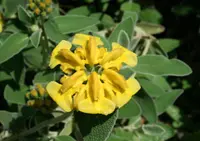
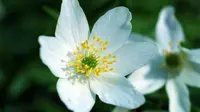
Plants produce delicate, usually pale yellow to creamy white flowers above divided, soft green foliage in early spring, then often retreat as temperatures rise. In gardens it suits shaded borders, naturalistic woodland plantings, and moist rock gardens.

This species prefers cool conditions, light shade, and humus-rich, consistently moist but well-drained soil. Once its seasonal rhythm is understood, it is not difficult to grow and general guidance on how to care for Anemonoides amurensis is straightforward for most gardeners.

Main Plant Requirements

Care Difficulty

Moderate Care

Light Preference

Partial Shade

Water Requirements

Moderate Water

Temperature Preference

Cold Hardy

Hardiness Zone

4–7

Soil Texture

Loamy, Silty, Organic-rich

Soil pH

Acidic (5.5–6.5), Slightly acidic (6.5–7.0)

Soil Drainage

Moist but well-drained

Fertilization

Minimal (feed rarely)

Get Personalized Care Plan

Scan your plant to receive care tips personalized for your specific plant

Available on iOS and Android

How to Care for the Anemonoides amurensis

This woodland perennial prefers cool, dappled conditions that mimic light under deciduous trees.

  • Provide 2–4 hours of gentle morning sun with bright, filtered or dappled shade the rest of the day, especially in spring before trees fully leaf out.
  • Avoid strong midday and afternoon sun, which can scorch leaves and dry the soil quickly; foliage may yellow or crisp at the edges under excessive exposure.
  • In deep shade flowering will drop; aim for shifting light or partial shade, and consider a slightly brighter site in autumn and winter.

Moist, cool, well-drained soil supports healthy growth and flowering for this species.

  • Water when the top 2–3 cm of soil feels slightly dry, aiming to keep the root zone evenly moist but never saturated during active growth in spring.
  • Use humus-rich, free-draining soil so excess water runs off quickly; standing water around the crown encourages rot and fungal problems.
  • Reduce watering once foliage yellows and dies back after flowering, as Anemonoides amurensis enters dormancy and tolerates slightly drier soil.

This hardy spring ephemeral is adapted to cool climates with cold winters and mild springs.

  • Active growth and flowering occur best around 45–60°F (7–16°C), typical of early to mid-spring woodland conditions.
  • Established plants usually tolerate winter lows near 0°F (−18°C) under a mulch or natural leaf layer, surviving dormancy beneath frozen soil.
  • Heat above 80°F (27°C) can stress foliage; provide shade and consistent moisture in hot spells, as growth normally slows or stops in summer.

This woodland perennial handles typical outdoor humidity but benefits from moderately moist air in dry regions.

  • Aim for 40–60% humidity, which usually matches shaded garden conditions with consistent soil moisture.
  • Brown, crisp leaf edges and slow growth during hot, dry spells indicate low humidity stress rather than nutrient issues.
  • Increase local humidity by using mulch to keep soil evenly moist and grouping plants near other shade perennials for a shared microclimate.

This species prefers cool, moist, well-aerated soil similar to humus-rich woodland conditions.

  • Use a loose, loamy mix made from garden soil, leaf mold or compost, and a small amount of sharp sand for structure.
  • Ensure fast drainage so water drains within minutes; heavy clay should be lightened with coarse sand and organic matter.
  • Aim for slightly acidic to neutral pH around 6.0–7.0, avoiding strongly alkaline or limy sites that can limit nutrient uptake.
  • Avoid waterlogged or compacted ground; regularly add compost or leaf mold to maintain pore space and oxygen around the roots.

This species can be grown in containers if the pot mimics cool, moist, woodland-like root conditions.

  • Choose a wide, shallow container to accommodate its spreading rhizomes without forcing them into tight vertical space.
  • Use a thick-walled or clay pot to buffer against rapid temperature and moisture swings around the roots.
  • Elevate the container slightly on feet or bricks so drainage holes never sit directly in pooled water after rain.

This woodland perennial is light-feeding and usually needs only modest nutrition in garden soil.

  • Apply a thin layer of compost or leaf mold around clumps in early spring to mimic natural forest litter.
  • If growth seems weak, use a balanced, diluted liquid fertilizer (around 1/4–1/2 strength) once in early spring.
  • Avoid fertilizing after midsummer so Anemonoides amurensis can harden off and enter dormancy naturally.
  • Do not fertilize dormant plants in winter or when foliage has fully died back.

Pruning needs for Anemonoides amurensis are minimal and focus on cleanliness rather than shaping.

  • In late spring or after flowering, remove spent flower stalks to keep clumps tidy and reduce unwanted self-seeding.
  • Cut back yellowing or diseased foliage at ground level using clean, sharp scissors or hand pruners.
  • During the growing season, take out any damaged or pest-affected leaves promptly to limit spread.
  • Avoid heavy cutting into healthy crowns, as this can weaken plants and reduce flowering next year.

This species is more often transplanted in beds than kept long-term in containers.

  • Plan divisions or transplants in early autumn or very early spring while plants are dormant or just emerging.
  • Move clumps only when growth declines or they become overcrowded, typically every 4–6 years.
  • Lift clumps carefully, keeping as many fibrous roots and rhizomes intact as possible to reduce stress.
  • Replant into humus-rich, evenly moist soil at the same depth, then water thoroughly and keep shaded for several days.

Propagation of Anemonoides amurensis is usually done by division, with seeds as a slower option.

  • Divide established clumps in early spring or early autumn when soil is workable and plants are dormant or just sprouting.
  • Gently separate rhizomes with several buds each, replanting them at the original depth in moist, organic soil.
  • For seed, sow fresh seed in pots or trays outdoors in fall, allowing natural cold stratification over winter.
  • Keep divisions and seed pots evenly moist in light shade until new growth is well established.

This hardy woodland plant tolerates typical winter conditions in much of its suitable climate range and needs limited attention.

  • After autumn dieback, leave some leaf litter or add a light mulch layer over the root zone for insulation.
  • In colder areas, apply 3–5 cm of loose mulch to protect rhizomes from repeated freeze–thaw cycles.
  • Container-grown plants are more exposed; overwinter pots in a sheltered, unheated but frost-sheltered spot.

Care Tips

Mark Dormant Clumps

Place small, durable labels where each clump grows in late spring so you do not disturb the dormant rhizomes when digging, dividing, or planting nearby later in the year.

Time Divisions Correctly

Lift and divide crowded clumps just after flowering but before full summer dormancy, replanting sections immediately at the same depth to maintain vigor and avoid desiccation of shallow rhizomes.

Use Leaf-Mold Mulch

Top-dress in autumn with 2–3 cm of sieved leaf mold around, but not on top of, the crowns to mimic woodland leaf litter, improve soil structure, and support stable spring moisture.

Buffer Late Frosts

Cover emerging shoots on frost-warning nights with a loose layer of horticultural fleece or an upturned crate draped with fabric to prevent bud damage and distorted early flowers.

Rotate Planting Patches

If flowering declines after several years, establish new clumps from divisions in a nearby, fresh area with similar shade and soil, which reduces soil-borne stress and supports long-term success when growing Anemonoides amurensis.

Common Pests and Diseases

Powdery mildew

This disease causes white, powdery patches on leaves and young stems, often in crowded or shaded clumps. Symptoms include distorted foliage and reduced flowering when infections are heavy.

Solution

Remove and discard the most affected leaves, then thin or divide congested clumps to improve airflow and light. Avoid overhead watering, irrigate at soil level in the morning, and if needed apply a sulfur or potassium bicarbonate fungicide labeled for ornamentals at the first sign of disease as part of broader Anemonoides amurensis care instructions.

Leaf spot

This disease produces small brown or purple spots on foliage that can merge into larger blotches, especially in damp, cool conditions. Symptoms include premature yellowing and dropping of leaves in severe cases.

Solution

Cut off and dispose of affected leaves and any fallen debris around the plants to remove sources of infection. Water at soil level, increase spacing for better air movement, and use a copper- or chlorothalonil-based fungicide labeled for ornamental perennials if new spots continue to appear.

Botrytis blight

This disease leads to soft, water-soaked areas on leaves, buds, and flowers that develop a gray, fuzzy mold in prolonged wet or humid weather. Symptoms include collapse of flower stems and failure of buds to open properly.

Solution

Promptly remove and discard infected flower stalks, leaves, and plant debris, and avoid wetting the foliage when watering. Improve drainage and airflow, and in persistent cases use a fungicide labeled for Botrytis on ornamentals, applied during cool, wet periods when the plant is most vulnerable.

Aphids

These insects cluster on young stems, buds, and leaf undersides, sucking sap and causing curling or distortion of new growth. This pest also excretes sticky honeydew that can lead to sooty mold on nearby surfaces.

Solution

Wash colonies off with a strong but controlled stream of water, targeting the undersides of leaves and tender growth. If populations remain high, apply insecticidal soap or a horticultural oil, repeating as directed and ensuring thorough coverage of all infested parts.

Leaf nematodes

This pest consists of microscopic worms that move through water films on leaves, creating irregular tan or brown angular patches between the leaf veins. Symptoms include patchy foliage damage that often starts on lower leaves and moves upward over time.

Solution

Remove and destroy affected leaves as soon as damage is noticed and avoid overhead watering that keeps foliage wet for long periods. In heavily infested clumps, discard the most damaged plants and replant in a new area with good air circulation, using only healthy divisions to prevent spread.

Interesting Facts

Early woodland bloomer

This species emerges and flowers in early spring in its native Amur and adjacent East Asian regions, taking advantage of high light levels on the forest floor before trees fully leaf out.

Rhizome-based survival

It persists through cold continental winters using short, thick rhizomes (underground stems) that store reserves and allow the plant to resprout reliably each year.

Localized native range

The species has a relatively restricted natural distribution in the Russian Far East, northeastern China, and parts of Korea and Japan, where it is typically found in moist, deciduous or mixed forests and riverine woodlands.

Botan icon

Did you know?

The species was historically described within the large genus Anemone, but molecular phylogenetic studies that analyzed DNA sequences supported separating it into the genus Anemonoides, reflecting a clearer picture of evolutionary relationships within the buttercup family (Ranunculaceae).

FAQs about Anemonoides amurensis

This woodland perennial usually flowers in early spring, often just after the ground thaws. The main display is brief, typically 2–3 weeks, though cooler temperatures and steady moisture can extend individual blooms slightly.

Grow Healthy Plants with Botan Care

Keep your plants happy and healthy with plant identification, disease detection, and easy care guidance.

Botan plant care app — identify plants on mobile

Explore More Plants