Mark Dormant Clumps
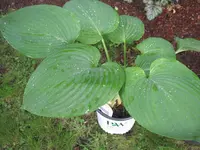
Flag planting spots in late summer with small, durable labels so you do not accidentally dig up the shallow rhizomes while the foliage is dormant and invisible in spring.

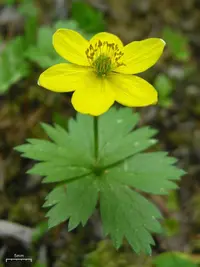
Yellow anemone, Anemonastrum richardsonii, is a small herbaceous perennial wildflower from cool northern regions of North America. It is often found in moist meadows, open woods, and stream edges.
The plant forms clumps of divided green leaves and sends up short stems topped with soft yellow, buttercup-like flowers in spring to early summer. It tends to spread slowly by rhizomes, creating loose patches rather than dense groundcover.
This species prefers cool conditions, consistent moisture, and well-drained, humus-rich soil, which can make it a bit challenging in hot, dry gardens. Gardeners who learn how to care for Yellow Anemone often value it for naturalistic woodland and meadow plantings.

Care Difficulty
Moderate Care

Light Preference
Partial Shade

Water Requirements
Regular Water

Temperature Preference
Cold Hardy

Hardiness Zone
2–7

Soil Texture
Loamy, Silty, Organic-rich

Soil pH
Acidic (5.5–6.5), Slightly acidic (6.5–7.0)

Soil Drainage
Moist but well-drained

Fertilization
Minimal (feed rarely)
Scan your plant to receive care tips personalized for your specific plant
Available on iOS and Android
This species prefers bright conditions with cool roots and moderate direct sun exposure.
This plant prefers consistently moist but not waterlogged soil, especially during active spring growth.
This cold-hardy perennial is adapted to cool climates with cold winters and mild summers.
This species tolerates a wide humidity range and usually needs no special humidity control outdoors or indoors.
This plant prefers loose, moist, well-drained soil that stays cool around the roots.
This species can be grown in containers, but performance is usually better in the ground.
This native perennial generally grows well in lean soils, so Yellow Anemone needs only light, targeted feeding in gardens.
Pruning Anemonastrum richardsonii is minimal and focuses on tidiness and plant health rather than shaping.
This species is typically grown in the ground, so care focuses on dividing and transplanting established clumps rather than container repotting.
Anemonastrum richardsonii is most often propagated by division, with seed used mainly for larger restoration or naturalistic plantings.
This cold-hardy perennial usually needs little special winter care in most temperate climates.

Plant Health Check
Not sure what's wrong with your plant? Check your plant's health inside the app.
This species is one of the few buttercup-family anemones native to high-latitude regions of North America, naturally occurring in Alaska and northern Canada on moist tundra, meadows, and stream margins.
Unlike many anemones that have white or blue flowers, this plant bears clear yellow, petal-like tepals surrounding a contrasting ring of numerous yellow stamens.
In subarctic habitats it often flowers soon after snowmelt, providing an early nectar and pollen source for cold-tolerant insects such as small bees and flies when few other plants are in bloom.

This species is adapted to short growing seasons in northern climates, completing its entire above-ground life cycle in just one brief summer period before dying back to overwintering underground structures that withstand prolonged freezing temperatures.
This species spreads slowly by short rhizomes and self-seeding. It usually forms small to medium clumps rather than aggressive colonies. In garden settings it is considered well-behaved and rarely needs containment or root barriers.
Keep your plants happy and healthy with plant identification, disease detection, and easy care guidance.