Primula primulina Care

Primula primulina

About Primula primulina

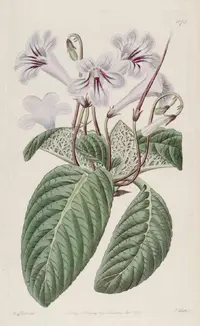
Primula primulina is a compact, rosette-forming perennial often grown as a decorative indoor or sheltered outdoor plant. It belongs to the primrose family and is valued for its neat foliage and soft, pastel flowers held on short stems above the leaves. Native to limestone cliffs and shaded rock faces in parts of China, it is adapted to humid, sheltered conditions with good air movement. The plant generally prefers bright, indirect light, evenly moist but not waterlogged soil, and a loose, well-draining mix. These traits make it moderately easy to grow for attentive owners who learn how to care for Primula primulina and avoid extremes in dryness, heat, or direct sun.

Main Plant Requirements

Care Difficulty

Moderate Care

Light Preference

Bright Indirect Light

Water Requirements

Keep Soil Moist

Temperature Preference

Tropical / Frost Sensitive

Hardiness Zone

Unknown

Soil Texture

Loamy, Organic-rich, Peaty

Soil pH

Acidic (5.5–6.5), Slightly acidic (6.5–7.0)

Soil Drainage

Moist but well-drained

Fertilization

Light (every 4–6 weeks)

Get Personalized Care Plan

Scan your plant to receive care tips personalized for your specific plant

Available on iOS and Android

How to Care for the Primula primulina

This species prefers soft, indirect light similar to a bright, shaded woodland edge.

  • Provide bright shade or dappled light with 1–3 hours of gentle morning sun; avoid direct midday sun that can scorch leaves.
  • Primula primulina tolerates partial shade but will flower less if light is too low; pale, stretched leaves indicate insufficient light.
  • Outdoors, place where it is sheltered by overhead canopy or north/east-facing exposure; in summer, increase shade if leaves yellow or crisp at the edges.

Watering should keep the root zone evenly moist but never saturated.

  • Allow the top 2–3 cm of soil to dry slightly, then water thoroughly so moisture reaches the full root depth, letting excess drain away.
  • Use a loose, well-draining mix; signs of overwatering include limp, yellowing leaves and a sour soil smell, while drooping, thin leaves and dry soil indicate underwatering.
  • In spring and summer, monitor moisture more often; in cooler months, extend intervals between waterings as growth slows and evaporation decreases.

Stable, mild temperatures support steady growth and flowering.

  • Ideal growth occurs at 60–75°F (16–24°C); flowering is often strongest near 60–68°F (16–20°C).
  • Protect from frost, as damage occurs near 32°F (0°C); long exposure below 40°F (4°C) can injure foliage and roots.
  • In hot periods above 80°F (27°C), move plants to deeper shade, increase air movement, and avoid placing them near heat-reflecting walls or pavement.

This species benefits from moderately humid air similar to many indoor flowering plants.

  • Aim for 50–60% humidity; it tolerates brief drops to 40% but prolonged very dry air weakens growth.
  • Crisping leaf edges, drooping foliage, and stalled buds indicate humidity stress rather than underwatering.
  • Increase humidity with a nearby open tray of water and pebbles or grouping plants; avoid misting leaves directly.

Use a light, porous, organic-rich mix that drains quickly yet holds even moisture.

  • A mix of 2 parts peat or coco coir, 1 part perlite, and 1 part fine bark or compost suits Primula primulina roots well.
  • Ensure rapid drainage; the mix should never stay soggy longer than 1–2 days after watering.
  • Slightly acidic soil with pH 6.0–6.5 supports nutrient uptake and reduces leaf yellowing.
  • Improve aeration by adding extra perlite or pumice and avoid compacted garden soil or heavy clay-based potting mixes.

This species adapts well to container growing when root space and drainage are carefully managed.

  • Choose a shallow, wide pot so the fibrous roots can spread horizontally without sitting in deep, wet compost.
  • Use a pot material that matches your watering style; glazed ceramic retains moisture longer than terracotta.
  • Raise the pot slightly on feet or small blocks so drainage holes stay clear and excess water escapes quickly.

This plant benefits from light, consistent feeding during active growth for balanced foliage and flowering.

  • Use a balanced liquid fertilizer (around 10-10-10 or 20-20-20) diluted to 1/4–1/2 strength for Primula primulina.
  • Apply every 2–4 weeks in spring and summer when growth is active.
  • Avoid heavy compost or strong slow-release pellets that can burn fine roots.
  • Reduce feeding to once every 6–8 weeks in fall and winter, or pause if growth is very slow.

Pruning is minimal and mainly focuses on cleanliness and encouraging repeat flowering.

  • In late winter or early spring, remove dead, yellowing, or damaged leaves at the base with clean scissors.
  • Snip off spent flower stalks down to the foliage to direct energy into new blooms and healthy leaves.
  • Thin crowded rosettes slightly to improve air flow and reduce fungal problems.
  • Disinfect tools before and after use to limit disease transmission between Primula primulina plants.

Repotting Primula primulina is occasional and should be done gently to avoid root shock.

  • Plan to repot every 1–2 years in late winter or early spring, just before strong new growth starts.
  • Check for signs like roots circling the pot, water running straight through, or slowed growth despite good care.
  • Move into a pot only 2–3 cm wider, using a light, well-drained mix and keeping the crown slightly above the soil surface.
  • Water lightly after repotting, keep in bright indirect light, and maintain moderate humidity to help roots reestablish.

Propagation is usually done vegetatively to maintain desirable traits and flower color.

  • Divide mature clumps in spring, separating rosettes with some roots attached and replanting in fresh, moist mix.
  • Use leaf or basal cuttings in warm, bright, indirect light, keeping the medium just barely moist until roots form.
  • Sow seeds on the surface of fine mix in late winter, as many Primula primulina types need light for germination.
  • Maintain 65–75°F, high humidity, and good air circulation to reduce damping-off and encourage steady early growth.

Winter care focuses on avoiding frost damage and keeping conditions stable.

  • Treat as frost-sensitive; do not expose to temperatures below about 40°F for extended periods.
  • For container plants, move indoors to a cool, bright spot away from drafts and heating vents.
  • Allow the top layer of soil to dry slightly between waterings, as growth slows in winter.
  • Avoid cold, wet soil around the roots, which increases the risk of rot.

Care Tips

Rotate For Symmetry

Turn the pot 90° every 1–2 weeks so the rosette develops evenly and leaves do not stretch permanently toward one side of the light source.

Protect Leaf Texture

Place the plant where it will not be brushed by curtains or handled often, since repeated touching can damage the fine leaf hairs and increase susceptibility to fungal spotting.

Bottom-Up Water Check

Lift the pot before watering and learn its weight when the mix is almost dry, so you can use pot weight rather than surface appearance to judge when this species actually needs water.

Use Wick Watering

For more stable moisture in small pots, thread a synthetic wick through the drainage hole into a reservoir, keeping the wick only partly submerged so the mix stays lightly moist and never saturated.

Prevent Mineral Buildup

Once every 6–8 weeks, run tepid low-mineral water through the pot for several minutes to flush out accumulated salts that can burn leaf edges and slow growing Primula primulina.

Common Pests and Diseases

Mealybugs

This pest feeds on sap and often hides in leaf axils and along the fuzzy leaf undersides, leaving white cottony clusters and sticky honeydew. Symptoms include distorted growth, yellowing, and sooty mold developing on the honeydew.

Solution

Isolate the plant, then dab visible insects with cotton swabs dipped in 70% isopropyl alcohol and gently wipe leaf surfaces. Repeat weekly until no new insects appear and, for ongoing Primula primulina care instructions, maintain good air movement and avoid overfertilizing, which encourages soft, pest-prone growth.

Cyclamen mites

These insects are microscopic mites that attack young leaves and flower buds, causing severe distortion, stunting, and a tight, deformed crown. Symptoms include brittle, thickened leaves and failure of buds to open properly.

Solution

Remove and discard the most distorted growth, then keep the plant in cooler conditions (60–70°F) with good airflow, as high heat favors mite buildup. For heavy infestations, it is often safer to discard the most affected plants and start fresh from clean propagations rather than risk spreading mites to other gesneriads.

Botrytis blight

This disease causes soft, water-soaked spots on leaves, flower stalks, and petals that quickly develop gray, fuzzy mold, especially in cool, humid, still air. Symptoms include collapsing flowers, browning edges, and a dusty spore layer that spreads when disturbed.

Solution

Remove and discard all affected tissues, then improve air circulation and avoid water sitting on leaves or flowers, particularly in cool conditions. Keep humidity moderate (40–60%), space plants so leaves do not touch, and if needed use a targeted fungicide labeled for indoor ornamentals to protect healthy growth.

Powdery mildew

This disease appears as white, powdery patches on the soft, slightly fuzzy leaves, which can lead to leaf distortion and reduced vigor in low light and stagnant air. Symptoms include a dusty coating that starts on the upper leaf surface and may spread to petioles and buds.

Solution

Increase light to a bright, indirect level, improve airflow, and avoid overhead watering to keep foliage dry. Remove heavily affected leaves and treat remaining foliage with a mild horticultural oil or potassium bicarbonate product labeled for powdery mildew, applying as directed until new growth stays clean.

Interesting Facts

Karst limestone specialist

This species naturally grows on shaded limestone cliffs and cave mouths in southern China, where roots anchor into thin, alkaline rock crevices that stay moist but well drained.

Velvety leaf adaptation

The leaves have a fine covering of hairs that helps reduce water loss and diffuse intense light reflected from pale rock surfaces in its native habitat.

Short-lived but self-renewing

Individual rosettes are relatively short-lived, yet the plant often persists by producing offsets around the base, forming small clumps over time in cultivation.

Botan icon

Did you know?

Primula primulina was long placed in the separate genus Primulina as part of a major taxonomic reorganization of the African violet family Gesneriaceae, and its shifting classification is frequently cited as an example of how DNA studies can reshape understanding of plant relationships.

FAQs about Primula primulina

Lack of blooms usually comes from insufficient light, overly warm conditions, or fertilizer high in nitrogen but low in potassium. Short, cool rest periods, steady moisture, and a balanced fertilizer help trigger flowering and keep buds from aborting.

Grow Healthy Plants with Botan Care

Keep your plants happy and healthy with plant identification, disease detection, and easy care guidance.

Botan plant care app — identify plants on mobile

Explore More Plants