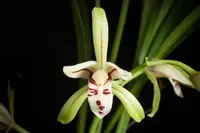
rosy primrose Care (Primula rosea)

rosy primrose

About rosy primrose

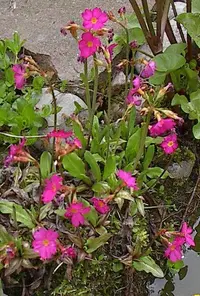
Rosy primrose, Primula rosea, is a small, early-flowering perennial valued for its bright pink blooms above neat clumps of fresh green leaves. It forms low mounds that look best in groups, often edging ponds, streams, or shaded borders in cool climates.

In the wild, this species comes from moist, mountainous regions of the Himalayas, where soils stay damp and summers are mild. It prefers cool conditions, consistent moisture, and humus-rich soil, which makes it suitable for shaded gardens rather than hot, dry sites.

Gardeners who learn how to care for rosy primrose usually find it moderately easy, provided its need for moisture and protection from strong heat is respected.

Main Plant Requirements

Care Difficulty

Moderate Care

Light Preference

Partial Shade

Water Requirements

Keep Soil Moist

Temperature Preference

Cold Hardy

Hardiness Zone

4–8

Soil Texture

Loamy, Peaty, Organic-rich

Soil pH

Acidic (5.5–6.5), Slightly acidic (6.5–7.0)

Soil Drainage

Moist but well-drained

Fertilization

Light (every 4–6 weeks)

Get Personalized Care Plan

Scan your plant to receive care tips personalized for your specific plant

Available on iOS and Android

How to Care for the rosy primrose

This moisture-loving perennial prefers cool, bright conditions without harsh exposure.

  • Provide 3–4 hours of soft morning sun with light or dappled shade the rest of the day, especially in spring flowering season.
  • Avoid strong midday and afternoon sun, which can scorch leaves and shorten rosy primrose bloom time; filter light through taller plants if needed.
  • In hotter summers, shift exposure toward more shade; in cool, cloudy climates, choose an open site that still avoids intense afternoon sun.

This species needs steadily moist soil but reacts poorly to both drying out and waterlogging.

  • Water when the top 2–3 cm of soil feel just barely dry, aiming for evenly damp soil around the root zone during active growth.
  • Use rich, humus-heavy soil that drains freely; standing water or a sour smell indicates poor drainage and high risk of root rot.
  • In cooler months, reduce frequency as growth slows, watching for wilted, floppy leaves from underwatering or yellowing, mushy foliage from excess moisture.

This hardy primrose prefers cool conditions and tolerates significant winter cold when planted outdoors.

  • Ideal spring growing temperatures are 50–65°F (10–18°C), which support strong flowering and healthy foliage development.
  • Established plants in the ground usually survive down to about 0°F (−18°C) with mulch, but flowers and young growth can be damaged by sudden hard frosts.
  • Heat above 75°F (24°C), especially with dry soil, can cause stress and early dieback; provide extra shade and moisture during hot spells to protect Primula rosea.

This species prefers consistently cool, moist air and is sensitive to prolonged dry conditions.

  • Aim for 50–70% humidity, especially during active growth and flowering.
  • Rosy primrose in too-dry air may develop browning leaf edges, limp foliage, and buds that dry before opening.
  • Increase humidity outdoors with nearby mulch and dense planting, or use shallow water trays with stones to raise moisture around the plants without soaking crowns.

Primula rosea grows best in moist, humus-rich soil with reliable drainage.

  • Use a loose, loamy mix with high organic content, such as garden loam blended with leaf mold or compost in shaded borders or containers.
  • Aim for slightly acidic to neutral pH around 6.0–7.0, which supports nutrient availability and healthy root development.
  • Improve drainage and aeration by incorporating coarse sand or fine grit, especially in heavier clay-based soils.
  • Avoid compacted, waterlogged, or very sandy soil that either suffocates roots or dries out rapidly between waterings.

This species is suitable for cool, outdoor container growing when moisture and drainage are balanced carefully.

  • Choose a wide, shallow pot that allows fibrous roots to spread while keeping the crown level with the rim to avoid rot.
  • Use a heavier material such as clay or ceramic to prevent tipping when foliage and flower stems lean outward.
  • Raise the container slightly on pot feet or bricks so drainage holes clear the ground and excess water escapes quickly after rain or watering.

Balanced, light feeding supports healthy flowering and foliage in rosy primrose without overwhelming its shallow roots.

  • Use a balanced liquid fertilizer (around 10-10-10) at 1/4–1/2 strength every 2–3 weeks during active spring growth.
  • Alternatively, apply a thin layer of fine compost around the crown instead of frequent liquid feeding.
  • Avoid feeding in summer dormancy or winter; resume only when new leaves emerge.
  • Do not allow fertilizer to touch the crown directly to reduce rot risk, and always water before liquid feeding.

Primula rosea benefits from light, timely pruning to maintain tidy growth and support flowering.

  • In late spring, deadhead spent flower stalks at the base to encourage continued blooming and prevent unwanted seeding.
  • Remove yellowing, dead, or diseased leaves with clean, sharp scissors to improve air flow and reduce fungal problems.
  • Thin out congested rosettes after flowering to maintain an open clump shape and support new crown development.
  • Disinfect tools before and after use, especially when removing any diseased tissue.

This primula is more often transplanted in beds than repotted, but container plants still need occasional attention.

  • Check containers every 1–2 years; circling roots, drying out fast, or slowed growth indicate a need for a larger pot.
  • Transplant or repot in early spring or early fall, when temperatures are cool and the plant is not in peak bloom.
  • Move into a slightly larger container with moisture-retentive, well-drained mix, keeping the crown at soil level.
  • Water thoroughly after moving, then keep soil evenly moist and shaded for 1–2 weeks to limit transplant shock.

Primula rosea is commonly propagated by division and seeds under cool, moist conditions.

  • Divide mature clumps in early spring or right after flowering, lifting carefully and separating crowns with roots attached.
  • Replant divisions immediately into moist, well-drained soil, keeping crowns at soil level and spacing plants for airflow.
  • Sow fresh seed on the surface of cool, humus-rich mix; light aids germination, so do not bury deeply.
  • Maintain consistent moisture and cool temperatures (50–60°F) until seedlings establish several true leaves.

This primula is fairly cold hardy but benefits from simple winter protection in colder regions.

  • Tolerates light to moderate frost when established, especially in well-drained soil.
  • After the first hard frosts, apply a 3–5 cm layer of leaf mulch around, not over, the crown to insulate roots.
  • For containers, move pots to a sheltered, frost-sheltered spot or unheated garage to prevent root freezing.
  • Avoid waterlogged soil in winter, which increases crown rot risk and reduces cold tolerance.

Care Tips

Mulch For Crowns

Apply a thin 2–3 cm layer of fine compost or leaf mold around but not on top of the crowns each autumn to keep roots cool, conserve moisture, and reduce soil splash that can spread disease.

Spring Division Timing

Lift and divide congested clumps just after flowering while soil is still cool and moist, then replant offsets immediately at the same depth to maintain vigor and create a longer-lived planting.

Shallow Planting Depth

Set plants so the crown is just at or slightly above soil level in heavy soils to reduce crown rot, and gently firm soil around the roots rather than burying the growing point.

Controlled Self‑Seeding

Allow some spent flower heads to set seed and fall naturally in late spring, then lightly rake the soil surface to help fresh seedlings establish in cool, moist pockets around the parent plants.

Slugs And Snails Barrier

Place a sharp grit or crushed rock band 5–8 cm wide around plants in early spring and remove nearby hiding spots such as dense debris to reduce slug and snail damage when growing rosy primrose.

Common Pests and Diseases

Botrytis gray mold

This disease causes soft, water-soaked patches on leaves, flower stalks, and blooms that quickly become covered with gray, fuzzy spores in cool, damp conditions.

Solution

Remove and discard all affected flowers and leaves, improve air circulation around plants, avoid overhead watering, and keep foliage as dry as possible; in persistent cases, use a fungicide labeled for ornamental bedding plants and follow the product directions carefully.

Powdery mildew

This disease produces white, powdery patches on the upper leaf surfaces, often starting on crowded or shaded plants in humid but not overly wet conditions.

Solution

Thin or divide clumps to increase light and airflow, water at the base in the morning so foliage dries quickly, remove heavily infected leaves, and, if needed, apply a sulfur or potassium bicarbonate fungicide suitable for Primula rosea care instructions.

Aphids

These insects cluster on young shoots, leaf undersides, and flower stalks, sucking sap and causing curling, distortion, and sticky honeydew that can lead to sooty mold.

Solution

Wash colonies off with a firm stream of water, pinch or cut off heavily infested shoot tips, encourage natural predators such as lady beetles outdoors, and use insecticidal soap or a light horticultural oil, making sure to coat leaf undersides.

Vine weevils

This pest affects Primula roots and crowns; adults chew notches in leaf edges, while larvae feed on roots and the fleshy crown, leading to sudden wilting and plant collapse, especially in containers.

Solution

Inspect pots for C-shaped white larvae in the compost and destroy them, repot badly affected plants into fresh, free-draining mix, use physical barriers or traps for adults around pots, and where allowed, apply a biological control with entomopathogenic nematodes targeting vine weevil larvae.

Spider mites

These pests are tiny sap-feeding mites that cause fine stippling, bronzing, and a dull, dusty look to leaves, sometimes with delicate webbing in hot, dry conditions, especially under glass or indoors.

Solution

Increase humidity around plants, hose down foliage to remove mites, isolate heavily infested plants, then apply insecticidal soap or horticultural oil to both sides of leaves, repeating at 5–7 day intervals until new growth appears clean.

Interesting Facts

Himalayan snowmelt specialist

This species is native to high-altitude, wet meadows and stream edges in the western Himalaya, where it flowers just as snow recedes, taking advantage of cold, saturated soils that many other perennials cannot tolerate.

Very early spring bloomer

In suitable climates it often flowers in late winter to very early spring, before many other primroses, with bright magenta to rosy-pink flowers that appear while surrounding vegetation is still dormant.

Natural clump-forming habit

Primula rosea gradually forms tight, low clumps by short rhizomes and offsets, creating dense, long-lived colonies in consistently moist ground rather than spreading aggressively by seed over large distances.

Botan icon

Did you know?

The specific epithet rosea refers to its rosy flower color, and historical herbarium records show that early European botanists recognized this vivid coloration and unusually early bloom time as key features separating it from closely related Himalayan primulas.

FAQs about rosy primrose

This species performs best outdoors in cool, moist, partially shaded beds or beside ponds. Indoors, it struggles with dry air and warmth. Rosy primrose indoor care is possible short-term, but long-term vigor is usually much lower.

Grow Healthy Plants with Botan Care

Keep your plants happy and healthy with plant identification, disease detection, and easy care guidance.

Botan plant care app — identify plants on mobile

Explore More Plants