Pinch Early Growth
Pinch out the tips of young shoots once they reach 8–10 cm to encourage a denser, more wind-resistant mound with more flowering stems.

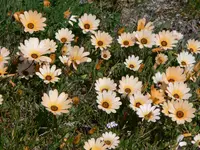
African daisy (Arctotis stoechadifolia) is a sun-loving perennial from coastal South Africa, often grown as a seasonal bedding plant in cooler climates. It forms low, spreading clumps with silvery, sometimes felted foliage that helps it tolerate bright light and dry air. Showy daisy-like flowers in white or pale yellow open in sun and close in low light, making it most striking on clear days. This species prefers well-drained, sandy soil and does not respond well to heavy, wet conditions. Once established, it is relatively drought tolerant, so how to care for African daisy often focuses on providing strong light and avoiding overwatering.

Care Difficulty
Moderate Care

Light Preference
Full Sun

Water Requirements
Low Water

Temperature Preference
Warm Climate

Hardiness Zone
9–11

Soil Texture
Sandy, Loamy, Rocky

Soil pH
Slightly acidic (6.5–7.0), Neutral (7.0)

Soil Drainage
Well-drained

Fertilization
Minimal (feed rarely)
Scan your plant to receive care tips personalized for your specific plant
Available on iOS and Android
This coastal African daisy species needs strong, direct light to flower well.
Arctotis stoechadifolia prefers infrequent, deep watering and dries quickly between soakings.
This species thrives in mild, coastal-type climates with cool nights and moderate daytime warmth.
Humidity is rarely a concern for this coastal species if basic indoor levels are maintained.
This species needs very free-draining, light soil that mimics sandy coastal habitats.
This species can grow well in containers if the pot and medium are managed to stay sharply drained and airy.
This coastal African daisy thrives in lean, well-drained soil and benefits from modest feeding in long growing seasons.
Pruning Arctotis stoechadifolia keeps the plant compact and encourages continued flowering.
This species is most often grown in the ground, with transplanting more relevant than frequent repotting.
Arctotis stoechadifolia is commonly propagated from cuttings and seeds for consistent flowering displays.
Winter care needs depend on local climate, as this coastal species prefers mild, frost-free conditions.

Plant Health Check
Not sure what's wrong with your plant? Check your plant's health inside the app.
This species is naturally restricted to coastal sand dunes of the Western Cape in South Africa, where it stabilizes shifting sands with its creeping roots and stems.
Its pale, silvery leaves are covered with fine hairs that reflect intense sunlight and reduce water loss, an adaptation to harsh, dry, coastal conditions.
The white ray florets open fully only in bright light and close in dull weather or at night, which protects the reproductive parts and optimizes pollinator visits during sunny periods.

Arctotis stoechadifolia is part of the natural vegetation behind some Cape Town beaches and has been used in coastal rehabilitation projects because its spreading habit and root system help bind loose dune sand and resist wind erosion.
Lack of flowers usually comes from insufficient light, excess nitrogen fertilizer, or old, spent blooms left on the plant. Deadhead regularly, avoid high-nitrogen feeds, and ensure strong sun exposure to support continued bud formation and flowering.
Keep your plants happy and healthy with plant identification, disease detection, and easy care guidance.