Gritty mulch ring
Apply a 3–5 cm ring of fine gravel or coarse sand around the crown to keep foliage dry at the base, reduce soil splash, and discourage crown rot in wet spells.

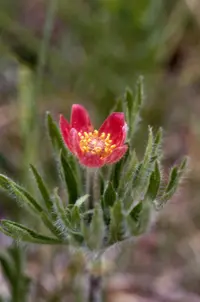
Pacific anemone, Anemone multifida, is a small perennial wildflower from cool, open habitats such as mountain meadows, prairies, and rocky slopes in North America. It typically forms low clumps of finely divided, fern-like leaves with upright stems carrying creamy white to pinkish, sometimes purple-tinged flowers. The plant has a tidy, compact habit and tends to be long-lived where conditions suit it, especially in cooler climates with good drainage. It generally prefers full sun to light shade, moderately moist but not waterlogged soil, and low to medium fertility. These traits make it moderately easy to care for Pacific anemone in gardens that can provide cool roots and well-drained soil.

Care Difficulty
Moderate Care

Light Preference
Partial Sun

Water Requirements
Moderate Water

Temperature Preference
Cold Hardy

Hardiness Zone
3–8

Soil Texture
Sandy, Loamy, Rocky

Soil pH
Acidic (5.5–6.5), Slightly acidic (6.5–7.0)

Soil Drainage
Well-drained

Fertilization
Minimal (feed rarely)
Scan your plant to receive care tips personalized for your specific plant
Available on iOS and Android
Anemone multifida prefers bright conditions that mimic its open, cool native habitats.
Anemone multifida needs consistent but not excessive moisture in well-drained soil.
This species is adapted to cool to mild climates and tolerates significant cold once established.
Humidity is rarely critical for Anemone multifida, which adapts well to typical outdoor conditions in temperate climates.
Anemone multifida grows best in loose, well-drained mineral soil that never stays waterlogged.
This species can be grown in containers if the pot mimics its naturally well-drained, rocky conditions.
This alpine perennial needs only light feeding in most garden soils, especially when caring for Pacific anemone as a native-style plant.
Pruning Anemone multifida focuses on tidiness and supporting repeat flowering rather than reshaping the plant.
This species is usually grown in the ground; transplanting is more common than container repotting.
New plants of Anemone multifida are most reliable from division, with seed used where natural variation is welcome.
This hardy perennial usually needs minimal winter care in cold climates when planted in well-drained soil.

Plant Health Check
Not sure what's wrong with your plant? Check your plant's health inside the app.
This species shows striking polymorphism, producing flowers that can be white, cream, yellow, pink, or red, often with differing petal numbers. Such variation is common even within a single population, which helps botanists study genetic diversity in wild plant species.
It typically blooms in late spring to early summer in open, often rocky habitats, providing one of the earlier nectar and pollen sources for native bees and flies in its cool-temperate and subalpine range.
The plant often grows in thin, gravelly, or sandy soils on open slopes and ridges, tolerating high light, good drainage, and significant temperature swings that many other herbaceous species cannot handle.

In some northern and high-elevation habitats, this species can form scattered but persistent colonies, with individual clumps surviving and flowering in the same exposed rocky microsites for many years, making it a useful indicator of long-term site stability in fragile alpine and subalpine ecosystems.
This species forms small clumps and slowly expands by short rhizomes and self-seeding. It is not considered aggressive. Seedlings are easy to thin or transplant if they appear where they are not wanted.
Keep your plants happy and healthy with plant identification, disease detection, and easy care guidance.