golden rain tree Care (Koelreuteria paniculata)

Also known as: Panicled Goldenrain Tree, Pride-of-India, Pride-Of-China
golden rain tree

About golden rain tree

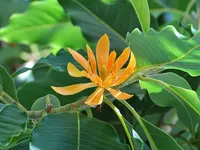
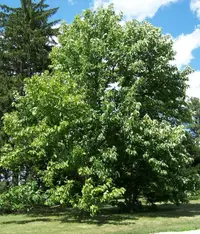
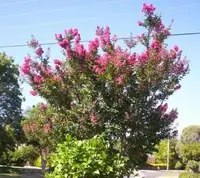
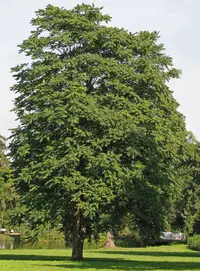
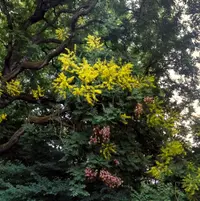
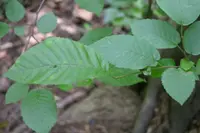
The golden rain tree, Koelreuteria paniculata, is a small to medium deciduous tree valued for its yellow summer flowers and papery lantern-like seed pods. It typically develops a broad, rounded crown with an open branching structure that suits urban and residential landscapes.

This species originates from East Asia but is now widely planted in temperate regions as an ornamental street and garden tree. It is generally considered easy to grow, adapting to a range of soils and urban conditions, which simplifies how to care for golden rain tree.

It usually prefers full sun, moderate moisture, and well-drained soil, and tolerates heat, pollution, and short dry periods once established.

Main Plant Requirements

Care Difficulty

Easy Care

Light Preference

Full Sun

Water Requirements

Moderate Water

Temperature Preference

Cold Hardy

Hardiness Zone

5–9

Soil Texture

Sandy, Loamy, Clay

Soil pH

Slightly acidic (6.5–7.0), Slightly alkaline (7.0–7.5)

Soil Drainage

Well-drained

Fertilization

Minimal (feed rarely)

Get Personalized Care Plan

Scan your plant to receive care tips personalized for your specific plant

Available on iOS and Android

How to Care for the golden rain tree

This tree performs best in open, bright sites with full sun exposure.

  • Provide 6–8 hours of direct sun daily; full sun encourages dense branching, abundant flowers, and strong autumn color in golden rain tree.
  • Tree tolerates light partial shade, especially with morning sun and light afternoon shade, but flowering and pod formation decrease as shade increases.
  • In hot regions, avoid highly reflective spots that amplify afternoon heat, and keep competing trees or buildings from casting deep shade as the canopy matures.

Koelreuteria paniculata prefers moderate moisture while establishing, then becomes relatively drought tolerant.

  • During the first 2–3 growing seasons, water when the top 5–8 cm of soil is dry, applying a deep soak that moistens the root zone rather than frequent shallow sprinkling.
  • Use well-drained soil; persistent puddling, sour odor, or soft, yellowing leaves indicate overwatering or poor drainage, which increases root rot risk.
  • Once established, extend intervals between waterings, but respond to wilting leaves, early leaf drop, or crispy margins in hot, dry weather with a thorough, slow soak.

This species is hardy in temperate climates and manages a wide range of outdoor temperatures.

  • Optimal growth occurs around 65–85°F (18–29°C); active shoot extension and flowering are strongest when spring and early summer stay within this range.
  • Mature trees tolerate winter lows near -10°F (-23°C), but young plants benefit from mulch over the root zone where frost heaving or repeated freeze–thaw cycles occur.
  • In hot summers above 95°F (35°C), heat stress may cause marginal leaf scorch, so maintain soil moisture and avoid heat traps such as enclosed paved courtyards.

Humidity is rarely a limiting factor for Koelreuteria paniculata, which adapts well to typical outdoor conditions in temperate climates.

Koelreuteria paniculata grows best in moderately fertile, well‑structured mineral soil that drains freely yet holds some moisture.

  • Use a loamy or sandy loam soil with 20–30% compost to support root development without becoming compacted.
  • Ensure drainage is rapid; avoid spots where water lingers after rain, since prolonged saturation encourages root decline.
  • Aim for slightly acidic to neutral pH around 6.0–7.5, avoiding strongly acidic or saline soils that restrict nutrient uptake.
  • On heavier clay sites, improve aeration and drainage by incorporating coarse sand or fine gravel through the top 20–30 cm.

This species can be grown in large outdoor containers for a limited period, mainly while young.

  • Choose a wide, heavy container to counterbalance the increasingly top‑heavy crown and reduce tipping in wind.
  • Select a pot depth that allows a deep, spreading root system, leaving at least 10–15 cm of additional space beneath the existing root mass.
  • Use thick‑walled or insulated containers in climates with cold winters to buffer roots from rapid temperature swings.

This tree benefits from modest feeding but often grows acceptably in average garden soil without extra inputs.

  • Apply a balanced slow-release fertilizer (around 10-10-10) once in early spring to support growing golden rain tree canopy and flowering.
  • Use a light rate only, following the lower label dose, especially on young trees to avoid overly lush, weak growth.
  • Supplement with a thin layer of compost over the root zone in spring to improve soil structure and steady nutrient supply.
  • Do not fertilize in late fall or winter, when the tree is dormant, to prevent soft growth that is vulnerable to cold.

Koelreuteria paniculata responds well to thoughtful structural pruning to maintain a safe, balanced canopy.

  • Carry out main pruning in late winter or very early spring before bud break, when branch structure is easy to see.
  • Remove dead, diseased, or storm-damaged wood first, then thin crossing or crowded branches that rub.
  • Shorten or remove awkward, steeply upright shoots to encourage a broad, well-spaced framework and stable form.
  • Use sharp bypass pruners or a clean pruning saw, making cuts just outside the branch collar to promote proper healing.

This species is usually planted in the ground, so care focuses on transplanting young trees rather than long-term container culture.

  • Transplant in early spring or early fall, when temperatures are mild and moisture is more consistent, to reduce stress.
  • Look for circling roots, tight root mass, or stalled top growth in nursery containers as signs it is time to shift up or plant out.
  • Loosen or slice circling roots gently at planting so they grow outward, then set the tree at the same depth as in the pot.
  • Water thoroughly after transplanting, keep soil evenly moist for the first season, and apply mulch to limit evaporation and temperature swings.

Propagation of this tree is most often done from seed, with some use of softwood cuttings in controlled conditions.

  • Collect mature, dry seed capsules in late summer or fall and remove seeds from the papery pods.
  • Cold-stratify seeds for 6–8 weeks in slightly moist medium at about 35–40°F, then sow in spring for more uniform germination.
  • Sow seeds in a free-draining mix, keep slightly moist, and provide bright light and moderate warmth for steady early growth.
  • For cuttings, take softwood pieces in early summer, use rooting hormone, and maintain high humidity and bottom warmth until rooted.

Established trees are generally hardy in typical temperate climates and need only basic winter attention.

  • In USDA zones near the colder edge of its range, young trees benefit from 5–8 cm of mulch over the root zone, kept away from the trunk.
  • Container-grown specimens are more exposed; move pots into a sheltered, unheated garage or against a protected wall in winter.
  • Avoid late-season nitrogen fertilization so new growth hardens properly before freezing weather arrives.

Care Tips

Establish strong leader

In the first 3–5 years, select one straight central trunk and remove competing upright shoots in late winter so the tree develops a stable structure that resists storm damage later in life.

Manage surface roots

If the tree is near paving, apply a 5–8 cm mulch ring and avoid shallow, frequent irrigation so roots grow deeper and are less likely to heave sidewalks or patios.

Thin seed pods

Where self-seeding is a problem, remove or thin developing seed pods in late summer using a pole pruner so fewer seeds mature and spread into lawns or beds.

Storm hardening cuts

On young trees in windy sites, reduce or shorten only a few long, top-heavy branches each dormant season to balance the canopy without creating large wounds.

Urban stress monitoring

In hot, paved areas, check bark and upper soil for heat and drought stress during extended dry spells and adjust mulch and deep-watering frequency accordingly when caring for golden rain tree.

Common Pests and Diseases

Verticillium wilt

This disease is caused by soil-borne fungi that block the tree’s water-conducting tissues. Symptoms include sudden branch dieback, sparse foliage, and yellowing or browning leaves, often on one side of the tree.

Solution

Remove and destroy severely affected branches, disinfect pruning tools, and avoid planting other Verticillium-sensitive species nearby. Improve tree vigor with regular watering during drought, mulching, and balanced fertilization, and avoid wounding roots or trunk, as there is no reliable chemical cure for this disease.

Flatheaded borers

These insects are beetle larvae that tunnel under the bark, especially on stressed or newly planted trees. Symptoms include D-shaped exit holes, loose or cracked bark, and dieback of upper branches.

Solution

Prevent attacks by keeping the tree well watered during establishment, avoiding mechanical damage, and not planting in compacted or poorly drained sites. Prune and destroy infested branches, peel back suspect bark to remove larvae where practical, and, in areas with known pressure, use trunk wraps or labeled systemic insecticides during the adult flight period as part of Koelreuteria paniculata care instructions.

Leaf scorch

This disorder is usually environmental rather than infectious and is linked to drought, high heat, wind, or high-salt soils. Symptoms include browned or crispy leaf edges, especially on exposed branches, while veins may stay green at first.

Solution

Reduce stress by providing deep, infrequent watering during hot, dry periods and maintaining a 5–8 cm mulch layer over the root zone, kept away from the trunk. Avoid excess fertilizer and de-icing salts near the tree, and prune only lightly to remove severely damaged twigs.

Powdery mildew

This disease is caused by fungi that grow on leaf surfaces when humidity is high and air circulation is poor. Symptoms include white to gray powdery patches on leaves, sometimes leading to distortion or early leaf drop.

Solution

Improve air movement by avoiding overcrowding, and water at the base rather than overhead. Remove and dispose of heavily infected leaves, and where the problem recurs yearly, apply a labeled horticultural oil or fungicide early in the season according to local guidelines.

Scale insects

These insects feed on sap and appear as small, immobile bumps on twigs and sometimes leaves. Symptoms include sticky honeydew, sooty mold growth, and a general decline in vigor or branch dieback in severe cases.

Solution

Prune out and destroy heavily infested twigs, and gently scrub small colonies with a soft brush and soapy water. For larger infestations, apply horticultural oil during the dormant season or at crawler emergence, following label directions, and support tree health with proper watering and mulch to improve natural resistance.

Interesting Facts

Inflatable seed pods

The papery lantern-like pods are actually three-part capsules that gradually inflate as the seeds mature, helping them dry and disperse more efficiently by wind and gravity.

Late-summer flowering

Unlike many temperate trees, it produces large yellow flower panicles in mid to late summer, providing nectar and pollen for bees and other insects when many spring-flowering trees are no longer in bloom.

Urban-tolerant crown

This species evolved a broad, rounded crown and relatively small leaflets that reduce wind resistance and water loss, which also makes it unusually tolerant of urban heat, air pollution, and compacted soils compared with many ornamental trees.

Botan icon

Did you know?

The species was introduced from East Asia to European botanical gardens in the 18th century primarily as a scientific curiosity, because its conspicuous seed capsules made it an excellent model plant for studying fruit and seed development in ornamental trees.

FAQs about golden rain tree

Poor flowering usually comes from insufficient maturity, heavy pruning of young wood, or stress from drought or nutrient deficiency. Ensure good overall health first; Koelreuteria paniculata care should focus on balanced nutrition and avoiding unnecessary major pruning.

Grow Healthy Plants with Botan Care

Keep your plants happy and healthy with plant identification, disease detection, and easy care guidance.

Botan plant care app — identify plants on mobile

Explore More Plants