


5 min read · 11 Sept 2026
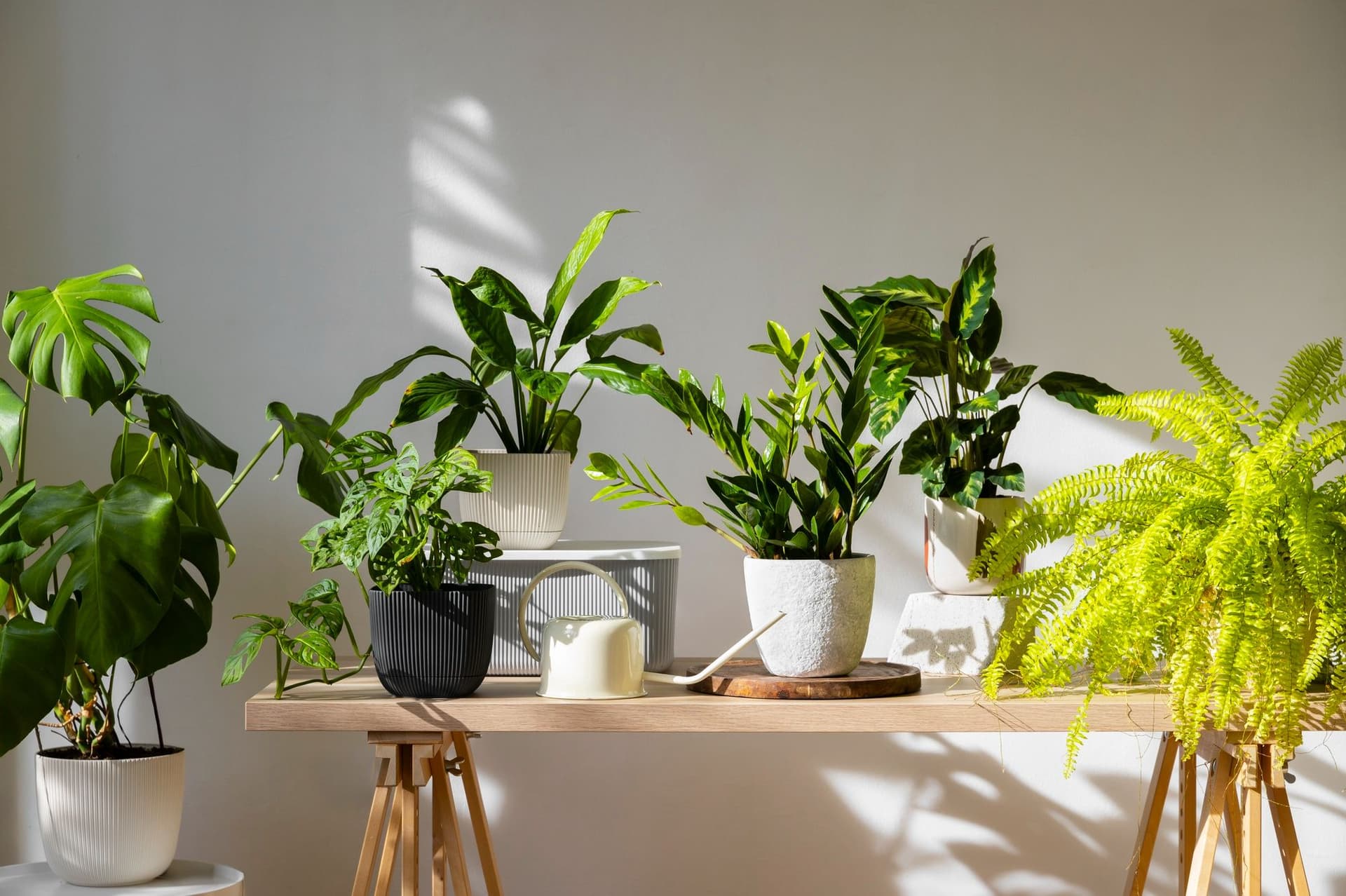
Top 5 Best Indoor Plants for Air Quality
Indoor plants can make a room feel fresher thanks to their air-purifying qualities. Here are 5 of the most suitable choices for your routine and living space.
Plant Recommendations


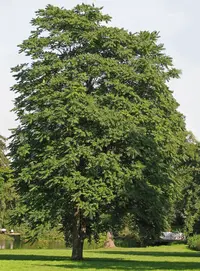
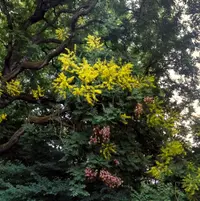
To recognize golden rain tree, check for large alternate leaves that are twice pinnate, with many small leaflets on a central axis. The crown is broad and rounded.
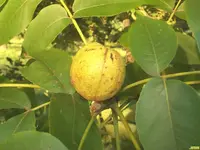
It also shows upright terminal panicles of yellow flowers and later inflated, three-sided papery capsules.
Take or upload a photo to confirm your plant ID with Botan.
Clear images work best. Avoid photos taken too close or too far away
Check the overall leaf structure, flowers, and inflated seed pods of Koelreuteria paniculata.
The combination of ferny compound leaves and lantern-like pods is especially useful from a distance.
Golden rain tree shows clear visual shifts from juvenile foliage to flowering and fruiting structure.
In late spring to early summer, Koelreuteria paniculata develops large, airy clusters of yellow flowers that stand above the foliage and are easy to spot. By late summer into fall, those flowers give way to papery, lantern-like seed capsules that turn tan to brown. Fall color is often clear yellow before the leaves drop, leaving the pods visible for a time on bare branches.
A few trees are regularly mistaken for golden rain tree at a glance.
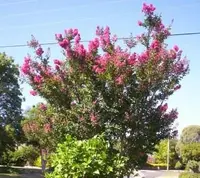
Chinese flame tree(Koelreuteria bipinnata)
Often confused because both have large compound leaves, yellow flower clusters, and papery lantern-like pods. Chinese flame tree usually has clearly twice-compound leaves and pink to salmon pods, while K. paniculata more often has irregularly lobed leaflets and tan to bronze pods.
Pride-of-India(Koelreuteria elegans subsp. formosana)
Similar for its airy crown, yellow flowers, and inflated seed capsules. It is set apart by more evenly bipinnate leaves and pods that age pinkish, not the straw-colored capsules typical of K. paniculata.
Koelreuteria paniculata is native to eastern Asia, especially China and Korea. In the wild it occurs in open woodlands, forest edges, valleys, and hillsides rather than deep shade or wetlands. That context can help with identification because it is often found in sunny, disturbed, or edge settings when naturalized or planted. Seeing it in dry upland urban edges or open slopes fits the species better than streambanks, bogs, or dense forest understory.

Plant Photo ID
Upload a plant photo and recognize it with 98% accuracy
Use Botan to identify or verify the plant from a photo, helping avoid mix-ups with similar trees.
The quickest clue is the papery, three-sided seed capsules that turn pinkish to tan after bloom. In summer, large upright clusters of yellow flowers also stand out for golden rain tree identification.
Identify it from a photo, then get plant details, care information, and common problems for that species.

5 min read · 11 Sept 2026
Indoor plants can make a room feel fresher thanks to their air-purifying qualities. Here are 5 of the most suitable choices for your routine and living space.
6 min read · 19 Aug 2026
A plant can lose its leaves, stop growing, or collapse and still remain alive. A closer look at the stems, roots, bulbs, and tubers can show whether the plant still has a chance to recover.
8 min read · 31 Aug 2026
Good plant grouping can mean the difference between a well-planned garden and one that looks sloppy. This guide explores layers, spacing, cluster shapes, and the plants that thrive when you group them.