

pignut hickory Identification (Carya glabra)

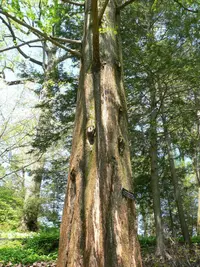
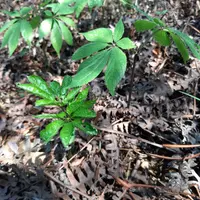
To recognize pignut hickory, look for alternate compound leaves with 5 to 7 leaflets, usually with a larger terminal leaflet, plus smooth to shallowly furrowed gray bark on a straight trunk.

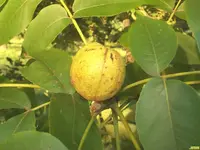
The fruits are pear-shaped nuts about 1 to 2 inches (2.5 to 5 cm) long, enclosed in a thin husk.

Carya glabra Identification

Check Your Plant with Botan

Upload a plant photo and check the identification in seconds.

Clear images work best. Avoid photos taken too close or too far away

Check the leaf and fruit structure first.

  • Leaves are alternate and usually 8-12 inches (20-30 cm) long, with 5-7 leaflets.
  • Leaflets are narrow, with the end leaflet largest and side leaflets smaller and paired.
  • Twigs are slender and smooth, with small, sulfur-yellow buds at the tips.
  • The nut is pear-shaped to rounded, about 1-2 inches (2.5-5 cm) long, in a thin husk that splits partway.

A smooth gray trunk with shallow ridges can support the ID on mature trees.

Carya glabra shows useful visual shifts from sapling form to nut-bearing mature trees.

  • Juvenile plant: Young plants are slender and upright, with smooth gray twigs and compound leaves that often look oversized for the thin stem.
  • Young plant: As the crown begins forming, branching becomes more regular and the bark stays fairly tight, lacking the pronounced trunk pattern of older trees.
  • Mature plant: Mature pignut hickory develops a tall, narrow to oval crown, often 50-80 feet (15-24 m) high, with darker bark broken into shallow ridges.
  • Fruiting stage: Nut-bearing branches show pear-shaped husked fruits that split incompletely, adding a distinct coarse texture not present on nonfruiting younger plants.

In spring, Carya glabra leafs out with fresh, light green leaflets, and drooping yellow-green catkins become visible before or with the leaves. By late summer into fall, the round to pear-shaped husked fruits are easier to spot. In fall, the foliage usually turns yellow before dropping. After leaf drop, the tree’s gray bark and slender twigs with small buds are easier to examine, which can help with winter identification.

Several hickories can be mistaken for Carya glabra.

mockernut hickory(Carya tomentosa)

Often confused because both are medium to large hickories with pinnate leaves and similar bark when young. Mockernut usually has 7 to 9 leaflets, with dense fuzz on the leaf stalks and leaflet undersides; Carya glabra is commonly smoother and often has 5 to 7 leaflets.

bitternut hickory(Carya cordiformis)

Confusion happens when trees are not fruiting, since both can have slender leaflets and relatively tight bark. Bitternut is best separated by its bright yellow buds and usually 7 to 9 narrower leaflets; Carya glabra lacks yellow buds.

Carya glabra is native to eastern North America, from southern New England west to eastern Texas and parts of the Midwest. In that broad range, it is most often found in upland oak-hickory woods. It commonly grows on dry ridges, rocky slopes, and well-drained forests rather than swamps or bottomlands. Seeing it in those drier woodland settings can help separate it from similar hickories tied more often to moist low ground.

Confirm It from a Photo

Use Botan to identify or verify the plant from a photo, helping avoid mix-ups before you label or compare it.

FAQ

The clearest clue is the leaf: usually 5 leaflets, sometimes 7, with the terminal leaflet largest. The fruit is also distinctive, with a pear-shaped to oval husk and a relatively small nut inside.

More Plant Identification Guides

Find the Plant. Get the Details.

Identify a plant from a photo with Botan, then see plant details, care information, and common problems for that species.

Botan app identifying a plant from a photo
How to Clean Plant Leaves: A Simple Care Guide

6 min read · 4 Aug 2026

How to Clean Plant Leaves: A Simple Care Guide

Dusty leaves look dull and don't absorb light well. Below, you'll find simple ways to clean them, which tools are truly effective, how often you should do it, and what causes damage.

Beginner Guides
How to Clean Plant Leaves: A Simple Care Guide
How to Mulch in the Fall and When to Wait Until Spring

5 min read · 12 Nov 2026

How to Mulch in the Fall and When to Wait Until Spring

In the fall, mulch gives the roots of trees and shrubs insulation and more stable conditions through winter. In the spring, it mainly suppresses weeds and keeps moisture in the soil during the growing season.

Beginner Guides
How to Mulch in the Fall and When to Wait Until Spring
How to Use a Moisture Meter for Plants

5 min read · 4 Sept 2026

How to Use a Moisture Meter for Plants

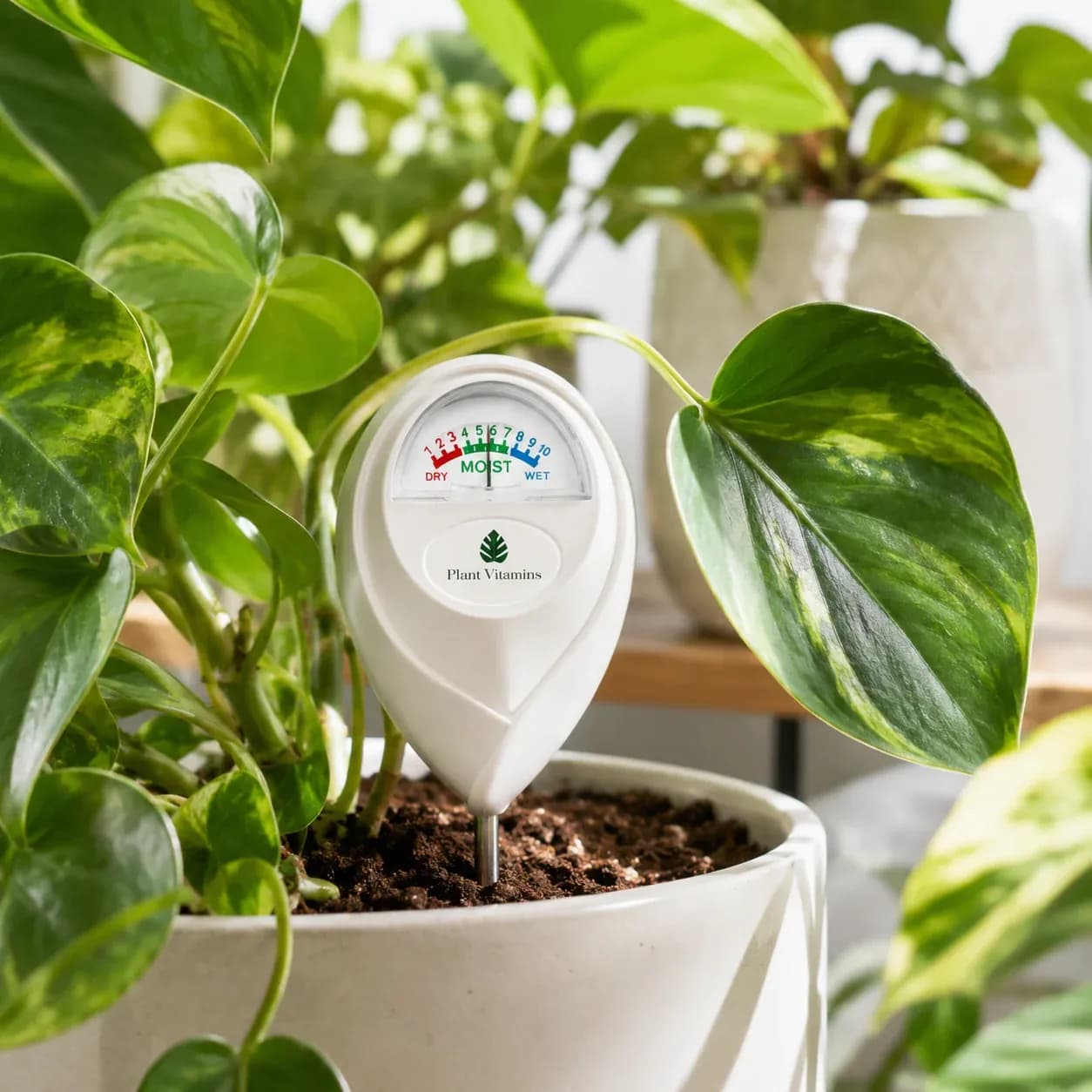
Watering by feel kills plenty of houseplants. A moisture meter checks the soil for you, and takes the guesswork out of it. This guide will show you how to use it correctly, from the first touch to the final reading.

Beginner Guides
How to Use a Moisture Meter for Plants