Early staking support
Install a sturdy stake or bamboo cane when the seedling is still flexible, then loosely tie the main stem using soft ties to keep it upright and reduce wind damage as it develops a stronger woody trunk.

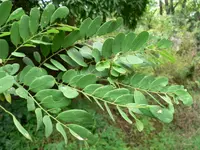
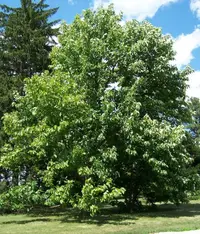
Dalbergia glomerata is a small to medium-sized leguminous tree, related to other rosewoods, valued mainly for its dense, decorative timber. It typically has a rounded crown, fine-textured foliage, and develops hard, often darkly colored heartwood.
This species is native to parts of Central America, where it grows in seasonally dry forests and woodland edges. In cultivation it is slow to moderate in growth and can be somewhat demanding due to its need for warmth and protection from prolonged cold.
Good drainage, moderate moisture, and bright light are important if you want to care for Dalbergia glomerata successfully, whether in a collection or specialized landscape setting.

Care Difficulty
Hard Care

Light Preference
Full Sun

Water Requirements
Moderate Water

Temperature Preference
Warm Climate

Hardiness Zone
10–11

Soil Texture
Sandy, Loamy, Organic-rich

Soil pH
Acidic (5.5–6.5), Slightly acidic (6.5–7.0)

Soil Drainage
Well-drained

Fertilization
Minimal (feed rarely)
Scan your plant to receive care tips personalized for your specific plant
Available on iOS and Android
This species prefers bright exposure but is sensitive to extreme, direct midday sun in hot climates.
Dalbergia glomerata prefers evenly moist, well‑drained soil and does not tolerate prolonged saturation.
This tree performs best in warm, frost‑free conditions with stable seasonal temperatures.
This species prefers moderate ambient humidity but generally adapts well in typical household or outdoor conditions.
Dalbergia glomerata prefers a well-structured, free-draining mineral-organic substrate that does not stay wet.
This species can be grown in containers when provided with a stable, deep pot that supports its woody root system.
This species is usually grown in low-input conditions, but light feeding can support container or nursery-grown Dalbergia glomerata.
Pruning Dalbergia glomerata is mainly done to maintain structure and remove problem wood rather than to control size.
This tree is most often grown in the ground, so focus on careful transplanting of young Dalbergia glomerata plants rather than frequent repotting.
Propagation of Dalbergia glomerata is typically done by seed and can be slow and technically demanding for home growers.
Dalbergia glomerata is a warmth-loving species and needs protection in regions with significant frost or freezing winters.

Plant Health Check
Not sure what's wrong with your plant? Check your plant's health inside the app.
Dalbergia glomerata is native to a restricted area of Mexico, where it grows mainly in seasonally dry tropical forests and scrub, adapted to pronounced wet–dry cycles.
The species name glomerata refers to its tendency to form clustered or compact groups of seed pods along the branches, a trait that helps distinguish it from related Dalbergia species.
Like many legumes, this species forms symbiosis with root bacteria that fix atmospheric nitrogen into forms usable by plants, improving soil fertility in its native habitats.
Yes, this tree can be grown in large, deep containers for many years if root space, drainage, and nutrition are adequate. Use a sturdy pot, monitor root circling, and up-pot gradually to avoid stress.
Keep your plants happy and healthy with plant identification, disease detection, and easy care guidance.