Franklin tree Care (Franklinia alatamaha)

Franklin tree

About Franklin tree

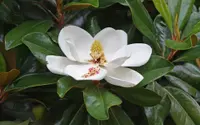
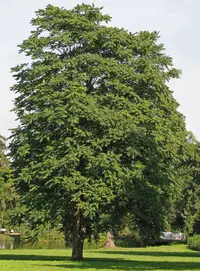
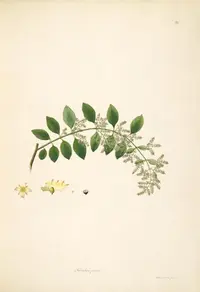
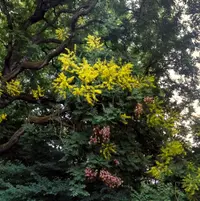
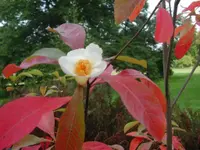
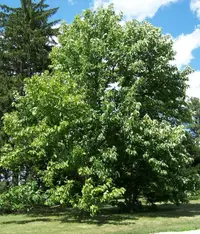
Franklin tree (Franklinia alatamaha) is a small, deciduous ornamental tree known for its white, camellia-like flowers and rich red to orange autumn color. It typically grows with a narrow, upright form and smooth gray bark, giving it a refined appearance in gardens.

This species is historically native to a small area along the Altamaha River in Georgia and is now considered extinct in the wild. It is often viewed as challenging because it dislikes root disturbance, poorly drained soil, and prolonged drought or heat stress.

Gardeners who care for Franklin tree should provide a cool, sheltered site with acidic, moist but well-drained soil and consistent, gentle care.

Main Plant Requirements

Care Difficulty

Hard Care

Light Preference

Partial Sun

Water Requirements

Regular Water

Temperature Preference

Cool Climate

Hardiness Zone

5–8

Soil Texture

Loamy, Sandy, Organic-rich

Soil pH

Strongly acidic (4.5–5.5), Acidic (5.5–6.5)

Soil Drainage

Moist but well-drained

Fertilization

Minimal (feed rarely)

Get Personalized Care Plan

Scan your plant to receive care tips personalized for your specific plant

Available on iOS and Android

How to Care for the Franklin tree

This plant prefers bright outdoor conditions with protection from harsh midday rays.

  • Provide 4–6 hours of direct morning sun with light afternoon shade; dappled light all day suits the Franklin tree in hotter climates.
  • Plant where it avoids intense sun from 12–4 p.m., which can scorch leaves and fade flowers, especially in dry or windy sites.
  • In cooler seasons and cooler regions, choose a more open site so low autumn sun reaches the canopy and supports flowering.

Franklinia alatamaha needs consistently moist but never waterlogged soil.

  • Water when the top 3–5 cm of soil feels dry, aiming for evenly damp soil from spring through early autumn.
  • Use deep, slow watering so moisture reaches the root zone, and ensure soil drains freely to prevent root rot and sour smells from saturation.
  • In hot, dry weather, monitor for drooping leaves or crisp edges as signs of drought stress, and reduce watering in cool, dormant periods.

This species prefers mild, stable temperatures and reacts poorly to extremes.

  • Optimal growing temperatures are 65–80°F (18–27°C), with best growth in cool summers and moderate humidity.
  • Franklin tree tolerates brief drops to about 10°F (−12°C) once established, but young plants benefit from protection below 20°F (−6°C).
  • Provide mulch to buffer soil temperature in winter and during heat over 90°F (32°C), when leaf scorch and stress become more likely.

This species benefits from moderate, steady humidity around the canopy.

  • Aim for 40–60% humidity, as Franklin tree often struggles in very dry, heated indoor air.
  • Crisping leaf edges, slow bud development, and premature leaf drop can indicate chronic low humidity stress.
  • Increase humidity with a nearby pebble tray, grouping plants, or a room humidifier rather than frequent overhead misting.

Franklinia alatamaha needs consistently moist, aerated, acidic soil to avoid root decline.

  • Use a loose, humus-rich loam with fine bark, compost, and some sharp sand to keep structure open.
  • Ensure fast drainage; soil should never stay waterlogged, especially around the crown and main roots.
  • Keep pH mildly acidic, roughly 5.0–6.0, using peat or pine bark fines and avoiding lime or alkaline amendments.
  • Improve aeration by blending in 20–30% perlite or coarse bark, and avoid compacted clay or heavy silt soils.

This species can be grown in containers, but only with careful attention to root space and moisture balance.

  • Choose a deep, heavy container to stabilize the plant’s upright woody growth against wind and tipping.
  • Select pot materials like thick ceramic or double-walled plastic to buffer roots from rapid temperature and moisture swings.
  • Leave a clear reservoir zone above the soil line so top-watering does not overflow before excess drains from the holes.

Franklinia alatamaha benefits from light, careful feeding due to its sensitivity to excess salts.

  • Use a balanced, acid-forming slow-release fertilizer or organic compost suited to azalea or camellia-type plants.
  • Feed lightly once in early spring and again in midsummer during active growth, avoiding late-season applications.
  • Apply at 1/2 strength of label rates for trees, and always water well before and after feeding.
  • Do not fertilize in late fall or winter when the Franklin tree is dormant, to prevent soft, frost-prone growth.

Franklinia alatamaha needs only minimal, corrective pruning to maintain a healthy framework.

  • Time any pruning for late winter or very early spring, before new growth starts.
  • Remove dead, diseased, crossing, or storm-damaged branches with clean, sharp bypass pruners or loppers.
  • Thin congested interior shoots lightly to improve air flow and light penetration, which supports flowering.
  • Avoid heavy structural cuts that stress this species; maintain the tree’s natural, open vase shape.

Franklinia alatamaha is usually grown in the ground, so focus on careful transplanting rather than frequent repotting.

  • Transplant young trees in early spring or early fall, when temperatures are mild and soil moisture is steady.
  • Look for signs such as roots circling a container, slow growth, or quick drying soil before moving a potted plant up 1 size.
  • Keep the root ball as intact as possible, set it at the same depth, and backfill with acidic, well-drained soil.
  • Water thoroughly after transplanting, then maintain even moisture and light shade for several weeks to limit root stress.

Propagation of Franklinia alatamaha is considered challenging and is not commonly done by casual gardeners.

  • Semi-ripe cuttings in late summer root best under high humidity, bottom heat, and with a rooting hormone treatment.
  • Seeds require fresh collection, cleaning, and a cool stratification period to break dormancy before spring sowing.
  • Use a very well-drained, acidic, sterile medium and provide bright, indirect light during rooting or germination.
  • Expect slow establishment and low success rates; most growers purchase nursery-raised plants rather than starting their own.

Franklinia alatamaha is only moderately cold hardy and benefits from thoughtful winter protection in cooler climates.

  • Hardy roughly to USDA zone 6–7, young trees are more vulnerable to severe freezes and drying winds.
  • Apply a 5–8 cm layer of mulch over the root zone in late fall, keeping it slightly away from the trunk.
  • In exposed sites, use a breathable burlap wrap or windbreak around the canopy to limit desiccation and bark injury.
  • Move container-grown specimens into a sheltered, frost-free but cool location with bright light for winter.

Care Tips

Site air drainage

Plant on a very slight slope or raised berm so cold air and excess moisture drain away from the root zone, which greatly reduces root rot risk and late spring frost damage when caring for Franklin tree.

Mulch root collar

Keep a 5–8 cm wide mulch-free ring around the trunk flare while still mulching the broader root zone, which prevents bark rot and discourages voles from gnawing at the base.

Mycorrhiza support

When planting or transplanting, lightly dust the root ball with an ericoid or acid-loving mycorrhizal inoculant to improve fine-root development and nutrient uptake in this notoriously sensitive species.

Sheltered wind exposure

Choose a location with protection from prevailing winter winds, such as the east side of a building or hedge, to reduce desiccation of evergreen-like leaves and flower buds.

Root disturbance minimization

Avoid cultivating, stepping, or placing heavy pots in the root zone, and if underplanting, use shallow-rooted groundcovers so the tree’s fine, brittle roots remain undisturbed.

Common Pests and Diseases

Phytophthora root rot

This disease causes gradual decline, wilting, and eventual death, often starting with poor growth and sudden leaf drop during warm, wet periods. Symptoms include dark, decayed roots and a reduced, discolored root system.

Solution

Improve drainage immediately by planting on a mound or raised bed, avoid overwatering, and never let the root zone sit in standing water. Remove and destroy severely affected plants, sterilize tools, and if replanting, use a well-drained, slightly acidic soil mix and consider rotating to a less susceptible species in that spot.

Phomopsis canker

This disease produces sunken, discolored areas on stems and branches that can girdle twigs, causing dieback beyond the infection site. Symptoms include wilting branch tips, twig death, and rough, cracked bark around the canker.

Solution

Prune out affected twigs and branches well below visible damage during dry weather, and dispose of all infected material away from the garden. Maintain good air circulation by avoiding overcrowding, keep the plant well watered but not waterlogged to reduce stress, and disinfect pruning tools between cuts with alcohol or a 10% bleach solution.

Leaf spot

This disease causes small brown to purple spots on leaves that may enlarge, merge, and lead to premature leaf drop, especially in humid or wet weather. Symptoms include thinning foliage and reduced ornamental value if infections are repeated over several seasons.

Solution

Remove and discard fallen leaves and heavily spotted foliage to reduce inoculum, and water at the base in the morning so foliage dries quickly. Improve air flow by spacing plants properly and lightly thinning crowded branches; if the problem is severe and recurrent, a labeled copper or chlorothalonil fungicide can be applied according to regional Franklinia alatamaha care instructions.

Scale insects

These insects appear as small, immobile bumps on stems and leaves, feeding on plant sap and causing yellowing, stunted growth, and sticky honeydew on nearby surfaces. This pest can also encourage sooty mold growth on the honeydew.

Solution

Physically remove light infestations by gently scraping or wiping scales off stems with a cloth dipped in soapy water or alcohol. For larger populations, apply horticultural oil during the growing season to thoroughly coat stems and leaf undersides, repeating as directed, and monitor for ants that may protect scales and should also be controlled.

Spider mites

These pests are tiny sap-feeding arachnids that cause fine stippling, bronzing, and a dull, dusty appearance on leaves, sometimes with fine webbing on leaf undersides in hot, dry conditions. Symptoms include gradual leaf decline and increased sensitivity to heat stress.

Solution

Spray foliage thoroughly with a strong stream of water to dislodge mites, focusing on leaf undersides, and repeat regularly in dry weather. Increase humidity around the plant, avoid drought stress, and if needed use insecticidal soap or horticultural oil, applied in the early morning or evening to prevent leaf burn.

Interesting Facts

Extinct in the wild

Franklinia alatamaha is known only from historical records along Georgia’s Altamaha River and has been extinct in the wild since the early 19th century; every living plant today descends from a few individuals collected and propagated in cultivation.

Tea family relative

This species belongs to the tea family, Theaceae, and its white, fragrant flowers with a central cluster of golden stamens are structurally similar to those of Camellia and the cultivated tea plant, Camellia sinensis.

Late-season flowering

Unlike many temperate trees, it typically flowers in late summer to early fall, often overlapping with autumn leaf color, so the white blooms appear against foliage turning orange, red, and purple.

Botan icon

Did you know?

The species was first described scientifically by William Bartram after he and his father John Bartram discovered it in the 18th century, and it was later named Franklinia in honor of Benjamin Franklin, making it one of the few tree genera named for a specific historical figure.

FAQs about Franklin tree

Lack of flowers often comes from too much shade, excess nitrogen fertilizer, or stress from transplanting or root rot. Stable conditions, moderate feeding, and good root health are essential for reliable flowering when growing Franklin tree.

Grow Healthy Plants with Botan Care

Keep your plants happy and healthy with plant identification, disease detection, and easy care guidance.

Botan plant care app — identify plants on mobile

Explore More Plants