Retrophyllum rospigliosii Care

Retrophyllum rospigliosii

About Retrophyllum rospigliosii

Retrophyllum rospigliosii is a slow-growing evergreen conifer tree from high-elevation cloud forests of the northern Andes, mainly in Colombia and neighboring regions. It is sometimes known as Colombian redwood in forestry contexts.

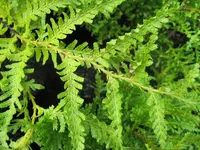
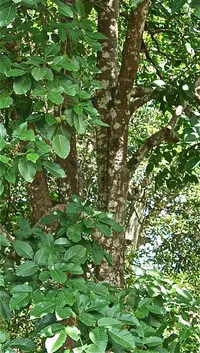
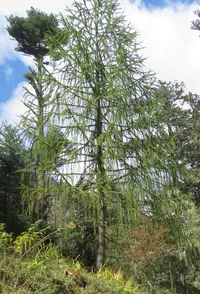
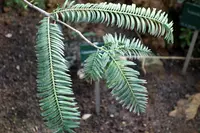
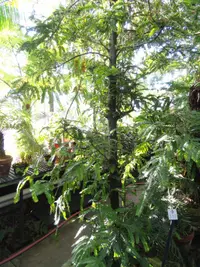
The tree has a tall, straight trunk with tiered branches and flattened, yew-like foliage arranged in two ranks along the shoots. Mature specimens can become imposing landscape trees in suitable mild, frost-free climates.

This species prefers cool, humid conditions, consistent moisture, and deep, well-drained soil, which makes it challenging in hot, dry, or very cold areas. Gardeners who want to learn how to care for Retrophyllum rospigliosii should consider whether their climate can provide stable humidity and protection from temperature extremes.

Main Plant Requirements

Care Difficulty

Hard Care

Light Preference

Partial Shade

Water Requirements

Regular Water

Temperature Preference

Tropical / Frost Sensitive

Hardiness Zone

Unknown

Soil Texture

Loamy, Silty, Organic-rich

Soil pH

Acidic (5.5–6.5), Slightly acidic (6.5–7.0)

Soil Drainage

Moist but well-drained

Fertilization

Minimal (feed rarely)

Get Personalized Care Plan

Scan your plant to receive care tips personalized for your specific plant

Available on iOS and Android

How to Care for the Retrophyllum rospigliosii

This highland conifer prefers bright, gentle light that mimics filtered mountain sun.

  • Provide 4–6 hours of bright, indirect light or light dappled shade; morning sun with afternoon shade suits young trees best.
  • Allow partial shade, especially in hot lowland sites, using taller vegetation or shade cloth to filter harsh midday sun.
  • Monitor foliage for stress: pale, scorched needles indicate too much direct sun, while sparse, elongated growth signals insufficient light for Retrophyllum rospigliosii.

This species prefers consistently moist but not saturated soil, especially during active growth.

  • Water when the top 3–5 cm of soil feels slightly dry, aiming for evenly moist conditions rather than cycles of full drying and soaking.
  • Use deep watering on well-drained soil so moisture reaches the root zone, then let excess drain; avoid standing water that can cause root rot.
  • Reduce watering frequency in cooler months, watching for yellowing, soft foliage from overwatering or browning needle tips and shedding from underwatering.

This Andean tree favors cool to mild temperatures with minimal frost exposure.

  • Aim for 60–75°F (16–24°C) for best growth, approximating its native high-elevation cloud forest climate.
  • Protect from cold below 40°F (4°C); brief light frost may be tolerated, but repeated or hard freezes can damage young tissues.
  • In hot regions, limit exposure to temperatures above 85°F (29°C) by providing shade and extra soil moisture, as prolonged heat stress can slow growth and increase needle drop.

This highland conifer prefers consistently moist air and reacts poorly to very dry conditions indoors or in hot climates.

  • Aim for 60–80% humidity, using a humidifier or misting in the morning if indoor air is drier.
  • Watch for browning leaf tips, rolling foliage, and slowed growth as signs of humidity stress.
  • Group plants, place containers on pebble trays with water below the pot base, or grow Retrophyllum rospigliosii in sheltered, naturally humid spots outdoors.

This species needs deep, moist, well-aerated soil that drains freely but does not dry out quickly.

  • Use a loamy, organic-rich mix such as 50% composted bark or leaf mold, 25% coarse sand, and 25% perlite for structure and air space.
  • Ensure free drainage so water passes through within seconds, while the organic fraction holds moisture without becoming sticky or compacted.
  • Keep pH slightly acidic to neutral, roughly 5.5–7.0, avoiding strongly alkaline mixes that can limit nutrient uptake.
  • Avoid heavy clay, fine peat-only mixes, or compacted ground; incorporate coarse material to improve aeration and prevent waterlogging around roots.

This tree can be grown in containers only when young, mainly as a temporary or patio specimen rather than a long-term potted tree.

  • Choose a deep, heavy container to support the developing taproot and reduce tipping from wind or tall growth.
  • Fill the pot with a free-draining, chunky mix and avoid saucers that keep standing water under the base.
  • Position the container where it is sheltered from strong, drying winds that can destabilize the pot and desiccate foliage faster than in-ground plantings.

This slow-growing conifer benefits from light, infrequent feeding when cultivated in managed landscapes or containers.

  • Use a balanced, slow-release fertilizer (around 10-10-10 NPK) or well-rotted compost mixed into the topsoil in spring.
  • Feed once at the start of the growing season; container plants may need a second light dose midseason.
  • Dilute liquid feeds to 1/2–1/4 strength to avoid root burn, especially in young specimens.
  • Stop feeding Retrophyllum rospigliosii in late summer so growth can harden before cooler conditions.

This species needs minimal structural pruning, mainly to maintain health and safe form in cultivation.

  • Carry out pruning in late winter or very early spring before strong new growth starts.
  • Remove dead, diseased, or storm-damaged branches back to healthy wood using clean, sharp bypass pruners or a handsaw.
  • Thin crowded interior branches sparingly to improve light penetration and airflow without over-opening the canopy.
  • Limit cuts on mature Retrophyllum rospigliosii to small branches to preserve its natural conical form and reduce stress.

In cultivation this tree is usually transplanted from nursery containers to permanent ground sites rather than frequently repotted.

  • Plan transplanting in late winter to early spring when growth is just about to resume and temperatures are mild.
  • Look for roots circling the pot, poor drainage, or slowed growth as signs a container plant needs a larger space.
  • Shift up only 1–2 pot sizes or plant into a well-drained, deep site so the root ball stays stable and moist, not waterlogged.
  • Hydrate the root ball thoroughly before and after planting, keep the original soil intact, and provide shade and wind protection for 2–3 weeks to reduce stress.

Propagation of Retrophyllum rospigliosii is specialized and usually handled by professional growers rather than home gardeners.

This tropical highland conifer is frost sensitive and requires thoughtful winter management outside reliably mild climates.

  • Avoid planting in regions with sustained frosts; light, brief chills near 32°F can already cause damage.
  • Apply a 5–8 cm layer of organic mulch over the root zone in fall, keeping it slightly away from the trunk base.
  • For container plants, move tubs indoors or into a bright, cool greenhouse before nighttime lows drop below 45°F.

Care Tips

Early structural staking

Install a sturdy stake or short tripod support when the plant is still young so the central leader grows straight and develops a strong, upright form that is more wind-resistant later on.

Wind exposure hardening

Gradually expose young plants to stronger air movement over several weeks so tissues thicken and adapt, reducing breakage and desiccation when planted in more exposed sites.

Mulch for root stability

Apply a 5–8 cm layer of coarse organic mulch over the root zone, keeping it a few cm away from the trunk, to reduce surface root stress, limit weed competition, and keep soil structure stable around the fine roots.

Slow-release nutrient topdressing

In established specimens, use a low-salt, slow-release conifer fertilizer as a light topdressing outside the root flare so nutrients move gradually into the rooting zone without shocking sensitive feeder roots.

Scheduled health monitoring

Set a fixed schedule, such as a brief monthly check, to inspect for scale insects, sooty mold, or dieback and to record height and stem diameter, which helps detect stress early and fine-tune caring for Retrophyllum rospigliosii over time.

Common Pests and Diseases

Bark beetles

These insects bore into stems and trunks, creating galleries under the bark that disrupt water flow and can kill young trees. Symptoms include resin bleeding, tiny round exit holes, and dieback of affected branches.

Solution

Prune and destroy infested branches, avoid trunk injuries, and keep trees unstressed through proper watering and spacing; this reduces susceptibility. In plantations, monitor regularly and, if attacks escalate, use pheromone traps or targeted trunk sprays with an appropriate insecticide applied by a professional as part of broader Retrophyllum rospigliosii care instructions.

Scale insects

These pests attach to needles and twigs, sucking sap and weakening the tree, often leaving honeydew that encourages sooty mold growth. Symptoms include small dome-shaped or flattened bumps on stems, sticky exudate, and dull or yellowing foliage.

Solution

Physically remove light infestations by gently scrubbing twigs with a soft brush and water, and prune heavily infested shoots. For larger trees or plantation settings, apply horticultural oil or an appropriate systemic insecticide during crawler stages, and reduce ant activity that protects scales by using ant baits around the planting area.

Needle blight

This disease causes browning and premature drop of needles, starting on inner or lower branches where humidity is highest. Symptoms include small dark lesions or bands on needles that expand, leading to progressive thinning of the canopy.

Solution

Remove and destroy fallen needles and visibly affected branches to lower the source of fungal spores. Improve airflow by proper spacing and selective thinning, avoid overhead irrigation, and where the disease is persistent in plantations, apply a registered fungicide during wet seasons following local forestry guidelines.

Root and collar canker

This disease affects the base of the trunk and upper roots, leading to sunken lesions, bark cracking, and resin exudation around the collar region. Symptoms include localized swelling or girdling, reduced vigor, and progressive dieback of the canopy above the affected area.

Solution

Expose the collar area to air by removing excess soil or mulch against the trunk, and cut away small, clearly delimited cankers with clean tools, disinfecting between cuts. Improve drainage, avoid mechanical damage and waterlogging, and in plantation contexts remove severely affected young trees to limit inoculum, replanting only in better-drained spots.

Interesting Facts

Andean cloud forest conifer

This species is a tall conifer native to high-elevation cloud forests of the northern Andes, typically growing between about 1,800–3,400 m where cool temperatures and frequent mists dominate.

Unusual leaf arrangement

Its foliage shows a distinctive retrophyllous pattern, with the flattened, scale-like leaves twisting so that the lower leaf surface faces outward, giving branches a two-ranked, fern-like look.

Historically valued timber

The tree has been heavily logged for its straight, fine-grained wood, which was prized for high-quality construction and specialty uses, contributing to population declines in parts of its native range.

Botan icon

Did you know?

This species can reach well over 30 m in height and form part of the emergent layer in Andean forests, making it one of the dominant canopy conifers in some high-montane ecosystems where broadleaf trees are shorter.

FAQs about Retrophyllum rospigliosii

This conifer is naturally slow-growing, especially in cultivation. Young plants may add only 10–25 cm in height per year. Growth increases slightly in deep, moist, well-drained soil with consistent rainfall and mild temperatures.

Grow Healthy Plants with Botan Care

Keep your plants happy and healthy with plant identification, disease detection, and easy care guidance.


Botan plant care app — identify plants on mobile

Explore More Plants