Trunk protection
Install light-colored tree guards or wrap the lower trunk with breathable trunk wrap from late fall to early spring to reduce sunscald and frost cracking on young trees.

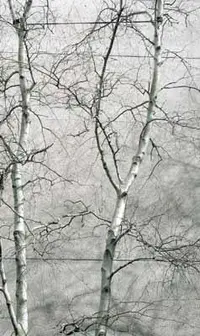
Gray birch, Betula populifolia, is a small to medium deciduous tree known for its narrow, upright form and smooth whitish bark marked with dark triangular patches. It often forms multi-stemmed clumps and carries small, triangular leaves that move easily in the wind, giving it a light, airy look in the landscape.
This species is native to northeastern North America, where it naturally colonizes poor, sandy, or disturbed soils. It grows quickly but tends to be relatively short-lived compared with other trees. Once established, gray birch tolerates cold, wind, and low-nutrient soils, which makes it useful in tough sites. Understanding how to care for gray birch starts with providing full sun and consistent, but not excessive, soil moisture.

Care Difficulty
Moderate Care

Light Preference
Full Sun

Water Requirements
Regular Water

Temperature Preference
Cold Hardy

Hardiness Zone
3–6

Soil Texture
Sandy, Loamy, Silty

Soil pH
Strongly acidic (4.5–5.5), Acidic (5.5–6.5)

Soil Drainage
Moist but well-drained

Fertilization
Minimal (feed rarely)
Scan your plant to receive care tips personalized for your specific plant
Available on iOS and Android
This species prefers cool, bright conditions that mimic open woodland edges.
This tree prefers evenly moist, well-drained soil and does not tolerate prolonged drought or standing water.
This hardy birch thrives in cool to temperate climates with distinct seasons.
This species tolerates a wide humidity range and rarely needs special humidity management outdoors.
This birch prefers cool, moist, well-aerated mineral soil with steady drainage.
This species is generally unsuitable for long-term container growing due to its size and root vigor.
This native tree usually needs minimal feeding in average garden soil, but light nutrition supports young gray birch establishment.
Pruning Betula populifolia focuses on safety, structure, and canopy health rather than tight shaping.
Most Betula populifolia are grown in the ground, so management centers on careful transplanting of young trees.
Propagation of Betula populifolia is usually done by seed for landscape use, with vegetative methods less common at home scale.
This species is cold hardy in much of its range and usually needs little specific winter care once established.

Plant Health Check
Not sure what's wrong with your plant? Check your plant's health inside the app.
Gray birch is particularly common on dry, sandy, or disturbed soils where many other tree species struggle, making it an early colonizer of abandoned fields, burned areas, and mine spoils in northeastern North America.
Unlike many other birches, gray birch typically lives only about 30–40 years and is considered a pioneer species that establishes quickly and is later replaced by longer‑lived hardwoods in natural forest succession.
This species is easily recognized by its small, roughly triangular leaves with long, tapering tips and irregular teeth, which flutter noticeably in light wind and help reduce heat load and water loss in exposed sites.

Gray birch is one of the few native North American trees that regularly develops dense, broom‑like branch clusters known as witches’ brooms, often caused by fungal infection or mites, which create striking, tangled silhouettes in winter.
This species is considered fast-growing, often adding 30–60 cm of height per year in good conditions. Growth slows with age. Adequate moisture, full sun, and non-compacted soil support consistent growth without excessive weakness or breakage.
Keep your plants happy and healthy with plant identification, disease detection, and easy care guidance.