Epiphytic mounting
Mount the plant on a slab of cork or hardwood with a layer of long-fiber sphagnum around the roots to mimic its natural epiphytic habit and improve root aeration in high-humidity setups.


Anthurium cubense is a tropical aroid, likely epiphytic or hemi-epiphytic, valued mainly by collectors for its unusual foliage and growth habit rather than showy flowers. It typically forms elongated leaves on climbing or sprawling stems, giving it a more architectural look than common flamingo flower types.
This species is native to humid tropical forests in the Caribbean region, especially Cuba, where it grows in warm, shaded to filtered light conditions. Because it prefers stable warmth, high humidity, and airy, well-drained substrate, it suits experienced growers or beginners ready to learn how to care for Anthurium cubense.
In cultivation it generally favors consistent moisture without waterlogging and protection from direct, harsh sun. Its specific needs can vary depending on local indoor conditions and growing setup.

Care Difficulty
Hard Care

Light Preference
Bright Indirect Light

Water Requirements
Keep Soil Moist

Temperature Preference
Tropical / Frost Sensitive

Hardiness Zone
11–13

Soil Texture
Loamy, Peaty, Organic-rich

Soil pH
Acidic (5.5–6.5)

Soil Drainage
Moist but well-drained

Fertilization
Light (every 4–6 weeks)
Scan your plant to receive care tips personalized for your specific plant
Available on iOS and Android
This species prefers bright, filtered light that mimics a forest understory.
Moist but airy conditions support healthy roots and foliage.
Warm, stable temperatures support steady growth and reduce stress.
This species prefers consistently high humidity to maintain healthy foliage and root function.
This species performs best in a loose, airy, organic-rich mix that mimics epiphytic forest conditions.
This species is well suited to container culture when the pot supports its climbing, spreading habit.
Nutrient support benefits Anthurium cubense in active growth but should remain gentle and controlled.
Pruning Anthurium cubense focuses on hygiene and light shaping rather than heavy size control.
Container-grown Anthurium cubense benefits from careful, infrequent repotting that respects its sensitive roots.
Propagation of Anthurium cubense is typically done on established plants and benefits from warm, stable conditions.
Cool-season care for Anthurium cubense focuses on frost avoidance and stable indoor conditions in temperate climates.

Plant Health Check
Not sure what's wrong with your plant? Check your plant's health inside the app.
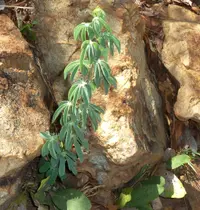
Anthurium cubense is naturally associated with limestone substrates in Cuba and nearby regions, showing a preference for calcium-rich, well-drained forest soils instead of typical deep rainforest humus.
The species develops thick, often slightly bullate (blistered-looking) leaves with a velvety texture that helps manage water on the leaf surface and diffuse strong, filtered tropical light.
This plant has a relatively restricted native range in the Caribbean, which makes wild populations more sensitive to habitat disturbance and changes in forest structure.
Leaf browning usually results from low humidity, chronic underwatering, or salt buildup from fertilizer. Brown tips or edges are common in dry indoor air. Flush the pot occasionally, adjust watering, and increase ambient humidity moderately.
Keep your plants happy and healthy with plant identification, disease detection, and easy care guidance.