cockspur pricklypear Care (Opuntia pusilla)

Also known as: Little Prickly-pear, Creeping Cactus
cockspur pricklypear

About cockspur pricklypear

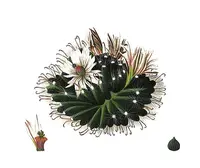
Cockspur pricklypear (Opuntia pusilla) is a low-growing, mat-forming cactus native to sandy coastal areas of the southeastern United States. It often creeps along the ground, forming small pads with spines and barbed bristles that can detach easily.

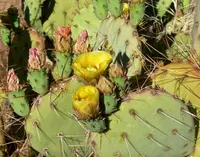
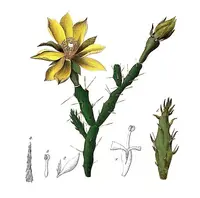
The plant produces yellow flowers followed by small, often reddish fruits, adding seasonal interest in dry or rock gardens. Its strong drought tolerance and preference for full sun make it a suitable choice for low-maintenance landscapes.

Understanding how to care for cockspur pricklypear mainly involves providing very well-drained, sandy or rocky soil and avoiding excess moisture around the roots.

Main Plant Requirements

Care Difficulty

Easy Care

Light Preference

Full Sun

Water Requirements

Low Water

Temperature Preference

Warm Climate

Hardiness Zone

8–10

Soil Texture

Sandy, Loamy, Rocky

Soil pH

Slightly acidic (6.5–7.0), Neutral (7.0)

Soil Drainage

Well-drained

Fertilization

Minimal (feed rarely)

Get Personalized Care Plan

Scan your plant to receive care tips personalized for your specific plant

Available on iOS and Android

How to Care for the cockspur pricklypear

This low-growing cactus thrives in strong sun but adapts to slightly shadier coastal or open scrub sites.

  • Provide 6–8 hours of direct sun daily; full sun is ideal, especially morning to early afternoon exposure for compact, well-spined pads.
  • Tolerates light afternoon shade in very hot regions, but prolonged shade causes weak, elongated growth and poor flowering in cockspur pricklypear.
  • In cooler months, ensure an open, unshaded position; in intense summer heat, protect newly planted pads with brief filtered light to prevent sudden sun scorch.

This species is highly drought-tolerant and prefers infrequent, deep watering over light, frequent irrigation.

  • Allow the top 5–8 cm of soil to dry completely before watering; in naturally dry, sandy ground this may mean long gaps between waterings.
  • During warm active growth, water only when pads start to look slightly less firm, then soak and let excess drain away quickly through gritty, fast-draining soil.
  • In cooler or dormant periods, reduce watering sharply; pale, mushy pads signal overwatering and possible rot, while severe wrinkling indicates prolonged drought stress for Opuntia pusilla.

This cactus is adapted to warm, exposed sites but copes with a moderate range of outdoor temperatures.

  • Optimal growth occurs around 70–90°F (21–32°C), where pads expand steadily and flowering is most reliable in sunny, dry conditions.
  • Mature plants can tolerate brief dips to about 10–15°F (-12 to -9°C) if soil is very well drained, but repeated freeze–thaw cycles sharply increase rot risk.
  • Handles hot spells above 95°F (35°C) if soil is dry and there is airflow, yet newly established plants benefit from slight shade during extreme heat to limit stress.

This cactus prefers dry air and does not need elevated humidity.

This species needs a very fast-draining, lean mineral substrate to prevent root rot.

  • Use a sandy, gritty mix such as 50–60% mineral material (coarse sand, pumice, or small gravel) blended with 40–50% cactus potting mix.
  • Aim for slightly acidic to neutral pH, around 6.0–7.0, which supports nutrient uptake without encouraging rot organisms.
  • Increase aeration by adding extra pumice or perlite so water drains through in seconds rather than minutes after watering.
  • Avoid fine, peat-heavy or clayey substrates that stay wet, compact easily, and suffocate the shallow roots of Opuntia pusilla.

This low, spreading cactus adapts well to container growing when drainage and stability are managed carefully.

  • Choose a broad, shallow pot to match its creeping pads and allow lateral rooting rather than unnecessary depth.
  • Select unglazed terracotta if outdoor conditions are wet, since it speeds evaporation and reduces prolonged substrate moisture.
  • Use a container wide and heavy enough that the spreading pads cannot tip the pot in strong wind or after rapid new growth.

This coastal cactus benefits from light feeding but grows acceptably in poor, sandy soils.

  • Use a low-dose balanced cactus fertilizer (diluted to 25–50% strength) or very thin compost top-dressing in spring.
  • Feed cockspur pricklypear once at the start of active growth, then 1 more time mid-summer if growth is weak.
  • Avoid high-nitrogen products, which cause soft, unstable pads and reduce stress tolerance.
  • Do not fertilize in fall and winter, when the plant is semi-dormant.

Pruning Opuntia pusilla is mainly corrective, aimed at safety and maintaining a compact clump.

  • Best time is late spring after frost risk has passed and new growth is visible.
  • Remove dead, shriveled, storm-damaged, or diseased pads at the joint using tongs and a clean, sharp knife or pruning saw.
  • Thin out crowded pads to improve air flow and reduce rot, shaping the clump without cutting into healthy tissue mid-pad.
  • Disinfect tools between cuts to limit disease spread and allow wounds to dry in warm, dry weather.

This species is more often transplanted in the ground than grown long-term in containers.

  • Transplant or repot in late spring when temperatures are consistently warm and soil is drying between rains.
  • Look for roots circling the container, slow rebound after watering, or pads leaning out of a shallow pot as signs it needs a move.
  • Plan on repotting container plants every 3–4 years into a shallow, wide pot with very fast-draining cactus mix.
  • Handle pads with tongs or folded newspaper, keep roots mostly intact, and water lightly after moving to limit shock.

New Opuntia pusilla plants are most often produced from pad cuttings, with seeds used less often.

  • Take healthy pads in late spring or early summer and let cut ends dry and callus for 5–10 days in shade.
  • Set callused pads upright or slightly angled in a gritty, barely moist cactus mix with excellent drainage.
  • Keep in bright indirect light at 70–80°F, watering sparingly until firm resistance indicates new roots.
  • For seed, surface-sow in a sandy mix, keep slightly moist and warm, and expect slower, uneven germination.

This low-growing cactus is fairly cold hardy but benefits from simple winter precautions in colder regions.

  • Established plants in the ground tolerate light freezes and brief drops near 10–15°F if soils drain well.
  • Apply a thin gravel or coarse sand mulch around the base to keep pads off wet winter soil.
  • In very wet or colder climates, grow in containers and move indoors to a bright, cool, dry spot for winter.
  • Keep winter watering minimal; allow soil to dry completely so pads can contract slightly and resist cold damage.

Care Tips

Prevent pad rot

When a pad detaches or is damaged, let the wound dry in bright shade for 3–5 days before replanting so the cut calluses and is less likely to rot in the soil.

Shallow rooting method

Set pads only 1–2 cm deep and gently press soil around the base instead of burying them, since this species roots best from lightly anchored pads exposed to air and sun.

Winter wet protection

In regions with cold, wet winters, place the pot under an overhang or use a simple plastic rain shield that still allows airflow to keep the crown and pads dry during extended rain.

Gritty top-dressing

Add a 1–2 cm layer of coarse grit or small gravel on the soil surface to keep pads from resting directly on damp mix, reduce algae growth, and improve drainage at the crown.

Safe handling tools

Use long tweezers, tongs, or folded newspaper to move or reposition pads to avoid contact with the tiny glochids, which makes caring for cockspur pricklypear much safer and more precise.

Common Pests and Diseases

Cochineal scale

This pest appears as white, cottony or crusty patches on pads, often with red staining when crushed. These insects feed on cactus sap and can weaken pads over time.

Solution

Remove heavily infested pads and dispose of them in the trash, then gently scrub remaining pads with a soft brush and water mixed with a few drops of mild soap, rinsing thoroughly afterward. In dry, sunny sites, repeated physical removal is usually enough; for persistent infestations, apply a horticultural oil labeled for cacti during cooler parts of the day to avoid pad scorch.

Cactus mealybugs

This pest hides in pad joints and roots, forming small white, fuzzy clusters that exude sticky honeydew. These insects can cause pad yellowing, stunting, and increased susceptibility to fungal problems.

Solution

Isolate affected plants, then dab visible mealybugs with cotton swabs dipped in isopropyl alcohol and repeat weekly until no new insects appear. For severe or root infestations, unpot the plant, wash off old soil, trim heavily infested roots, repot in fresh, very free‑draining mix, and use a systemic insecticide labeled for succulents if needed.

Phyllosticta pad spot

This disease causes small, dark, sunken spots on pads that may enlarge, become corky, and sometimes drop out leaving pitted tissue. Symptoms include reduced vigor and disfigured pads, especially after extended wet or humid periods.

Solution

Prune off and discard affected pads, disinfecting tools between cuts, and avoid wetting pads when watering. Improve air flow and sun exposure, and if the problem recurs in wet seasons, apply a copper‑based fungicide labeled for cacti, following label intervals until new growth remains clean.

Soft rot (bacterial)

This disease starts as water‑soaked, translucent areas on pads that quickly turn mushy, brown, and foul‑smelling. Symptoms include rapid tissue collapse, especially in damaged or overwatered pads.

Solution

At the first sign, cut back into firm, healthy tissue with a sterile knife and discard all soft material in the trash, then allow cut surfaces to dry and callus in a warm, airy place. Reduce watering, avoid overhead wetting, protect pads from mechanical injury, and ensure the cactus grows in a very well‑drained, gritty substrate, which is central to Opuntia pusilla care.

Interesting Facts

Coastal dune specialist

This species naturally occurs on Atlantic and Gulf coastal dunes and barrier islands, where its low, spreading growth helps stabilize loose, sandy soils and trap windblown sand.

Prostrate, mat-forming habit

Unlike many taller prickly pears, it forms very low, irregular mats only a few pads high, which allows it to avoid wind damage and salt spray near the ground in exposed seaside habitats.

Glochids over spines

Plants often have few obvious large spines, but the pads and fruits carry dense clusters of tiny barbed bristles called glochids that detach easily and can irritate skin far more than the sparse long spines.

Botan icon

Did you know?

In parts of its native range, this cactus spreads clonally when detached pads are moved by storms or shifting sands, allowing genetically identical clones to occupy extensive patches across coastal dune systems.

FAQs about cockspur pricklypear

This species spreads slowly by low, creeping pads and can form patches over time, especially in sandy soils. It is not usually invasive in managed gardens but can outcompete small plants in very dry, open spots.

Grow Healthy Plants with Botan Care

Keep your plants happy and healthy with plant identification, disease detection, and easy care guidance.

Botan plant care app — identify plants on mobile

Explore More Plants