Wind-aware placement
Site the tree where prevailing winds are filtered by buildings or larger trees, since the broad, thin leaves tear easily and repeated wind damage reduces photosynthesis and overall vigor.

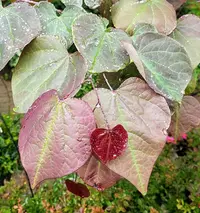
Cercis canadensis 'Forest Pansy' is a small deciduous ornamental tree valued for its purple foliage and early spring flowers. It forms a broad, spreading crown that fits well in modest gardens. This cultivar bears clusters of pink to rosy-purple blossoms on bare branches before the leaves emerge, then develops heart-shaped leaves that deepen in color through the season. It originates from the North American eastern redbud, which is native to woodlands and woodland edges. The tree is considered relatively easy to grow if planted in a suitable climate, with moderate growth and low pruning needs. Understanding how to care for Eastern Redbud starts with providing sun to light shade, evenly moist soil, and good drainage.

Care Difficulty
Moderate Care

Light Preference
Full Sun

Water Requirements
Moderate Water

Temperature Preference
Cold Hardy

Hardiness Zone
5–9

Soil Texture
Loamy, Clay, Organic-rich

Soil pH
Acidic (5.5–6.5), Slightly acidic (6.5–7.0)

Soil Drainage
Moist but well-drained

Fertilization
Minimal (feed rarely)
Scan your plant to receive care tips personalized for your specific plant
Available on iOS and Android
This deciduous tree develops best color with generous but not extreme sun exposure.
This tree prefers evenly moist, well-drained soil rather than frequent shallow watering.
This ornamental tree is adapted to temperate outdoor climates with cold winters and warm summers.
This deciduous tree does not have special humidity requirements and tolerates typical outdoor ranges.
This tree prefers moderately fertile, well-structured soil that drains freely yet retains some moisture.
This species can be grown in large containers for several years, though it ultimately performs best in the ground.
This small ornamental tree benefits from light, balanced feeding but often grows acceptably in average garden soil without heavy fertilizer use.
Pruning Cercis canadensis 'Forest Pansy' is mostly about maintaining structure, safety, and clearance rather than heavy shaping.
This tree is usually grown in the ground, so guidance focuses on transplanting young specimens rather than long-term container culture.
Propagation of Cercis canadensis 'Forest Pansy' is possible but not straightforward for home gardeners and is often left to professional nurseries.
This deciduous tree is generally cold hardy in much of its suitable range and needs only basic winter care once established.

Plant Health Check
Not sure what's wrong with your plant? Check your plant's health inside the app.
The deep purple foliage develops its color from high levels of anthocyanin pigments, which can help protect the leaves from strong light and UV radiation, especially in spring and early summer.
Leaf color is strongly season-dependent, often emerging rich purple, then gradually shifting toward bronze-green or green by late summer, particularly in hotter climates or deeper shade.
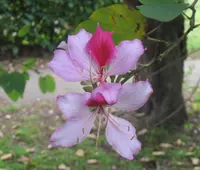
Like other eastern redbuds, this cultivar produces clusters of pink to magenta flowers directly on older branches and the main trunk, a trait called cauliflory, which creates a dense floral display before leaves emerge.

This cultivar originated as a chance purple-leaved seedling selected in the mid-20th century in the United States and has since become one of the most widely planted ornamental redbud selections in temperate gardens worldwide.
Brown, crispy edges usually result from drought stress, hot drying winds, excess fertilizer, or recent transplant shock. Improve watering consistency, mulch the root zone, and avoid heavy feeding. Prune only dead twigs while the tree recovers.
Keep your plants happy and healthy with plant identification, disease detection, and easy care guidance.