Root zone inspection
Unpot the plant every 1–2 years at the start of its growing season to inspect roots, trimming away any black, mushy tissue and repotting slightly higher so the neck is not buried, which reduces rot risk at the stem base.

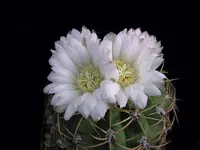
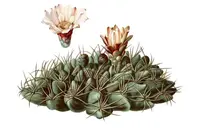
Gymnocalycium monvillei is a small, globular cactus from the rocky grasslands and hills of central Argentina. It stays compact, forming a rounded body with pronounced ribs and sturdy, curved spines. In season it produces relatively large, funnel-shaped flowers in soft shades of white, pink, or pale lilac that contrast with the darker body. Growth is slow but steady, and older plants may form modest clusters around the main stem. This species is considered manageable for most growers, as long as it receives strong light, a free-draining mineral-rich soil, and careful watering that avoids staying wet for long. With these basics in place, how to care for Gymnocalycium monvillei becomes straightforward for indoor or balcony collections.

Care Difficulty
Easy Care

Light Preference
Full Sun

Water Requirements
Low Water

Temperature Preference
Warm Climate

Hardiness Zone
9–11

Soil Texture
Sandy, Loamy, Rocky

Soil pH
Slightly acidic (6.5–7.0), Neutral (7.0)

Soil Drainage
Well-drained

Fertilization
Minimal (feed rarely)
Scan your plant to receive care tips personalized for your specific plant
Available on iOS and Android
This small cactus prefers bright conditions that mimic high-altitude sun without prolonged scorching exposure.
Watering should mimic brief desert rains followed by thorough drying of the rooting zone.
This species prefers warm, dry air with distinct warm summers and cool, mostly dry winters.
This cactus prefers relatively dry air and is comfortable in typical indoor humidity levels around 30–50%.
This species needs a very fast-draining, mineral-rich substrate that dries quickly between waterings.
This species is very suitable for container growing when the pot is chosen to control moisture and root space.
This cactus benefits from modest feeding during active growth, but heavy fertilization is unnecessary for Gymnocalycium monvillei.
Gymnocalycium monvillei needs almost no pruning, since it naturally maintains a compact, rounded shape.
This species grows slowly and only needs infrequent repotting, mainly to refresh the gritty substrate and prevent root congestion.
For most home growers, Gymnocalycium monvillei is propagated from seed rather than offsets, which are often scarce.
Cold-sensitive Gymnocalycium monvillei needs a cool, dry, frost-free winter rest to stay healthy and prepare for flowering.

Plant Health Check
Not sure what's wrong with your plant? Check your plant's health inside the app.
In the wild, this species is typically found on limestone or other calcareous rocks in central Argentina, indicating a strong adaptation to alkaline, mineral-rich substrates rather than the acidic soils many plants prefer.
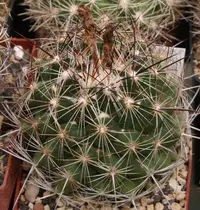
The stem forms a flattened to somewhat globose body with 10–18 deep, sharp ribs, which increase surface area for photosynthesis while allowing the plant to shrink efficiently during drought to reduce water loss.
Its spines are relatively short, often slightly curved or hooked toward the stem, forming a compact protective cage that shades the plant’s surface from intense sun and helps reduce herbivory without casting excessive shade on the tissues beneath.

This cactus produces large, funnel-shaped flowers that can be nearly as wide as the stem itself, emerging from the plant’s distinct, naked floral tube, a characteristic feature of the genus that helps botanists distinguish it from many other South American cacti.
This species does best outdoors in mild, dry climates with plenty of light and good airflow. In colder or very wet regions, container culture indoors or in a bright, protected patio works better for long-term health.
Keep your plants happy and healthy with plant identification, disease detection, and easy care guidance.