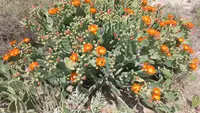
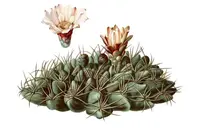
Simpson's Hedgehog Cactus Care (Pediocactus nigrispinus)

Also known as: Snowball Cactus, Columbia Plateau Cactus, basalt cactus
Simpson's Hedgehog Cactus

About Simpson's Hedgehog Cactus

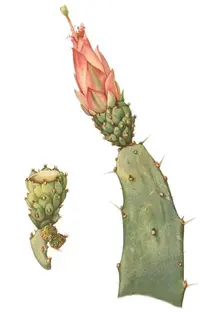
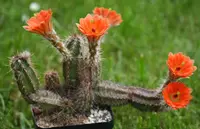
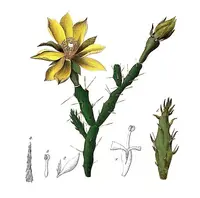
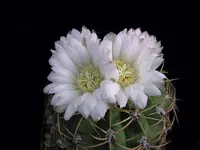
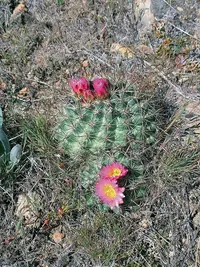
Simpson's hedgehog cactus, Pediocactus nigrispinus, is a small, slow-growing desert cactus native to the inland Northwest of the United States. It typically forms low, rounded stems covered with dense, dark spines that protect it from sun and grazing animals.

This species grows in dry, open habitats with rocky or sandy soils and experiences cold winters and hot, dry summers. It is considered challenging in cultivation because it dislikes excess moisture, needs very sharp drainage, and can be sensitive to root disturbance.

Gardeners who want to learn how to care for Simpson's Hedgehog Cactus should focus on strong light, cool dry winter conditions, and a fast-draining mineral-based soil mix.

Main Plant Requirements

Care Difficulty

Hard Care

Light Preference

Full Sun

Water Requirements

Low Water

Temperature Preference

Cold Hardy

Hardiness Zone

5–8

Soil Texture

Sandy, Rocky, Loamy

Soil pH

Slightly acidic (6.5–7.0), Neutral (7.0)

Soil Drainage

Well-drained

Fertilization

Minimal (feed rarely)

Get Personalized Care Plan

Scan your plant to receive care tips personalized for your specific plant

Available on iOS and Android

How to Care for the Simpson's Hedgehog Cactus

This high-desert cactus needs strong light but benefits from some protection at the hottest times of day.

  • Provide 6–8 hours of direct sun daily, ideally with full morning sun and light afternoon shade, especially in hotter regions.
  • Tolerates bright, open exposure but young Simpson's Hedgehog Cactus plants can scorch in harsh mid‑afternoon sun; introduce increased light gradually.
  • In cool or cloudy seasons, choose the brightest, most open site available so stems stay compact rather than stretching toward light.

This species is drought-adapted and must dry thoroughly between waterings to prevent root damage.

  • In the growing season, water only when the top 5–8 cm of soil are completely dry, then soak the root zone and let all excess drain away.
  • Ensure very sharp drainage with gritty, mineral-rich soil so water does not pool around the base, a key point in sound Pediocactus nigrispinus plant care.
  • In late fall and winter, keep the plant almost dry; wrinkle or slight softening of tissues suggests mild thirst, while yellowing and mushy spots indicate overwatering.

This desert-adapted cactus prefers warm summers and cool, very dry winters.

  • Active growth is best at 70–85°F (21–29°C); it will tolerate short hot spells up to about 95°F (35°C) if soil is well drained and air is moving.
  • When kept dry, established plants can tolerate brief drops near 10–15°F (-12 to -9°C), but repeated freeze-thaw cycles with wet soil increase rot risk.
  • In colder climates, protection from winter moisture matters more than extreme cold; use rain shelters or very fast-draining mounds to keep roots dry in freezing weather.

This desert cactus prefers very dry air and rarely suffers from low indoor humidity.

  • Aim for 20–40% humidity, similar to a heated, dry room or arid outdoor climate.
  • Dry air is tolerated well; problems arise more from excess moisture than from low humidity.
  • If air stays above 60% and stems look pale or soft, improve airflow with an open window, fan, or dehumidifier.

Pediocactus nigrispinus requires a very fast-draining, mineral-rich substrate to prevent root rot.

  • Use a gritty mix of roughly 60–70% mineral material (pumice, coarse sand, small gravel) and 30–40% cactus potting mix.
  • Ensure the mix feels loose and crumbly, with water draining through in seconds rather than minutes.
  • Aim for slightly acidic to neutral pH, around 6.0–7.0, avoiding strongly alkaline or peat-heavy blends that stay wet.
  • Avoid fine, compacting materials such as clay-heavy garden soil or unamended regular potting mix, which restrict aeration and trap moisture.

This species is suitable for container growing when the pot is set up to stay dry and stable.

  • Choose a pot only slightly wider than the root system so the small plant does not sit in a large volume of unused, wet mix.
  • Select unglazed terracotta to allow moisture to evaporate through the pot walls, reducing the risk of prolonged wetness after watering.
  • Place the container where it cannot tip, since even compact spines can catch on hands or clothing and pull over a light pot.

This desert cactus has low nutrient demands and should be fed sparingly to avoid soft, weak growth in Simpson's Hedgehog Cactus.

  • Use a low-dose balanced cactus fertilizer (for example 5-5-5) or dilute general balanced NPK to 25–50% strength.
  • Feed once in late spring and once in mid-summer during active growth only, never more often than monthly.
  • Avoid organic compost or rich slow-release products that hold moisture and can rot roots in mineral soils.
  • Stop all feeding in late summer so tissues harden before winter dormancy, and do not fertilize in winter.

Pediocactus nigrispinus needs almost no pruning because it maintains a compact, natural shape.

Container plants and garden specimens of this small cactus dislike disturbance, so repotting or transplanting should be rare and carefully planned.

  • Check for roots circling the pot drainage holes, soil exhausted or compacted, or declining growth over 2–3 years as signs to move it.
  • Choose early spring, just before active growth, for any transplant so roots can recover in warmer weather.
  • Repot only 1 pot size up, using a very fast-draining mineral cactus mix and a pot with large drainage holes.
  • Handle the plant by wrapping it in folded paper, keep the rootball as intact as possible, and water lightly after 3–5 days to limit shock.

This species is usually propagated by seed, and success requires patience and precise conditions.

  • Sow fresh seed in late winter–early spring in a shallow tray filled with sterile, gritty cactus mix.
  • Provide 65–75°F warmth, bright indirect light, and very light, even moisture using a covered tray for humidity.
  • Use a cold stratification period of 4–6 weeks in a refrigerator if germination is poor, then warm again.
  • Transplant seedlings only when they are firm and well-rooted, disturbing roots as little as possible.

This hardy cactus tolerates substantial cold when kept dry, but some winter care improves long-term survival in cultivation.

  • In the ground, provide perfectly drained, gravelly soil and a slight slope so winter moisture sheds away from the crown.
  • In very wet or snowy climates, use a clear, ventilated rain shelter to keep the plant almost dry in winter.
  • For containers, overwinter in a cold, bright, frost-free spot around 35–45°F, and keep the soil nearly dry.

Care Tips

Winter moisture control

In late fall, move containers under a deep overhang or cold frame so winter rain and snow do not saturate the potting mix, since this species needs to stay almost completely dry during its cold rest period.

Mineral mulch layer

Top-dress the soil surface with a 1–2 cm layer of coarse grit or small lava rock to keep the stem base dry, reduce soil splash on the epidermis, and stabilize the shallow root zone.

Root-zone aeration

When potting, place a thin layer of coarse stone or broken, unglazed clay shards at the very bottom only if the container has a large drainage hole, to prevent mix loss while keeping maximum air flow around the lower root zone.

Spring acclimation routine

At the end of winter, gradually reintroduce the plant to stronger light and slightly more water over 10–14 days to reduce stress and skin scorching, an important step in caring for Simpson's Hedgehog Cactus outdoors or in cold frames.

Cold-frame protection

In regions with cold, wet winters, use an unheated, well-ventilated cold frame to protect plants from prolonged moisture while still allowing them to experience the low temperatures they need for proper dormancy and flowering.

Common Pests and Diseases

Red spider mites

This pest thrives in hot, very dry conditions and can damage small cactus stems and areoles, especially on plants grown under cover. Symptoms include fine webbing, dull or bronzed epidermis, and tiny moving dots on close inspection.

Solution

Increase air movement and, if grown under glass or indoors, lightly mist around the plant (not the body) to disrupt very dry, stagnant air, then rinse the cactus gently with a soft spray of water to remove mites. For persistent infestations, use a targeted insecticidal soap or neem oil, applied in the evening and kept off the root zone, repeating as needed while monitoring for stress on this drought‑adapted species.

Mealybugs

These insects hide in spines and at the stem base, feeding on plant sap and weakening the cactus over time. Symptoms include white cottony clusters in crevices and at the root crown, sometimes accompanied by sticky residue and sooty mold.

Solution

Isolate affected plants, then dab visible mealybugs with cotton swabs dipped in isopropyl alcohol, taking care not to saturate the soil. For heavier infestations or root mealybugs, unpot the plant, wash roots gently, remove all infested material, allow the root system to dry, then repot in fresh mineral substrate and use a systemic insecticide labeled for cacti if the problem persists.

Fungal stem rot

This disease is favored by cool, wet, or poorly ventilated conditions and can rapidly destroy the small stem of this species. Symptoms include dark, water‑soaked, soft areas on the stem that may turn black and collapse.

Solution

At the first signs, keep the plant completely dry, improve airflow, and move it to a warmer, brighter, rain‑sheltered position. If rot is localized and tissue above is still firm, cut away affected parts with a sterile blade back into healthy tissue, allow the wound to dry and callus in a dry, shaded place for several days, then replant in a very fast‑draining, mostly mineral mix, avoiding overhead watering.

Bacterial soft rot

This disease often enters through minor injuries or frost damage and progresses quickly in stressed plants. Symptoms include a foul odor, mushy translucent tissue, and rapid collapse of the stem, often starting at a wound or the crown.

Solution

Remove and destroy severely affected plants promptly to prevent spread, and disinfect any tools or pots that contacted the rot. For very early cases, cut away all soft tissue well into firm, healthy tissue with sterile tools, dust the wound with sulfur or a copper‑based product, then dry the plant thoroughly before replanting in clean, sharply draining substrate, while avoiding excess moisture and mechanical damage in the future.

Cactus longhorn beetles

These insects are locally significant in some western US habitats and can damage stems and roots by adult feeding and larval tunneling. Symptoms include notched or chewed areas on the stem surface, entry holes, and internal damage that leads to sudden collapse in otherwise healthy plants.

Solution

In outdoor plantings, regularly inspect around the base of the cactus at dusk and manually remove any adult beetles present. Use physical barriers such as fine hardware cloth around small, valuable plants, keep the surrounding soil free of plant debris that shelters larvae, and, where pressure is high, consider relocating potted specimens to a protected rock garden or raised container area to reduce access while maintaining proper Pediocactus nigrispinus plant care conditions.

Interesting Facts

High desert specialist

This species is native to the Columbia Plateau and surrounding high desert regions of the Pacific Northwest, where it grows in very open, windswept sites with cold winters and hot, dry summers.

Cold tolerance adaptation

Mature plants can survive prolonged subfreezing temperatures and snow cover in habitat, an unusual trait among cacti that reflects deep adaptation to continental interior climates of the western US.

Cryptic, low-profile growth

The plant often sits nearly flush with the soil surface and can shrink during drought, which helps it avoid herbivory and damage from blowing debris in exposed steppe and shrubland environments.

Botan icon

Did you know?

This species is considered rare or of conservation concern in parts of its range, and some populations are legally protected because they are highly localized and vulnerable to habitat disturbance and illegal collection.

FAQs about Simpson's Hedgehog Cactus

This species performs best outdoors in dry, sunny, well-drained conditions that mimic its native desert and shrub-steppe habitat. Simpson's Hedgehog Cactus indoor care is possible but usually results in slower growth and more risk of rot from overwatering.

Grow Healthy Plants with Botan Care

Keep your plants happy and healthy with plant identification, disease detection, and easy care guidance.

Botan plant care app — identify plants on mobile

Explore More Plants