Agave guiengola Care

Agave guiengola

About Agave guiengola

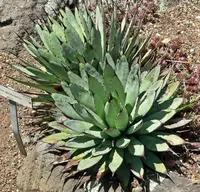
Agave guiengola is a succulent from arid regions of Oaxaca, Mexico, valued for its broad, pale blue-green leaves and sculptural rosette form. It remains relatively compact compared to many agaves, making it suitable for containers and small dry gardens.

Leaves are thick, smooth-edged to lightly toothed, and often curve gently, giving the plant a bold, architectural look. Mature plants may eventually send up a tall flowering stalk, after which the main rosette dies.

This species tolerates heat, drought, and poor, rocky soil, so many growers find it straightforward to care for Agave guiengola when drainage and bright light are provided.

Main Plant Requirements

Care Difficulty

Easy Care

Light Preference

Full Sun

Water Requirements

Low Water

Temperature Preference

Tropical / Frost Sensitive

Hardiness Zone

10–11

Soil Texture

Sandy, Loamy, Rocky

Soil pH

Slightly acidic (6.5–7.0), Neutral (7.0)

Soil Drainage

Well-drained

Fertilization

Minimal (feed rarely)

Get Personalized Care Plan

Scan your plant to receive care tips personalized for your specific plant

Available on iOS and Android

How to Care for the Agave guiengola

This species prefers strong light with some protection from intense afternoon sun.

  • Provide 6–8 hours of direct sun daily, ideally with morning sun and light afternoon shade, especially in hot summer regions.
  • In very bright desert climates, use filtered light or 30–40% shade cloth to prevent leaf scorch and bleaching on Agave guiengola leaves.
  • If grown in partial shade (3–4 hours sun), expect slower growth and more open form; move gradually into brighter light to avoid sunburn.

This agave stores water in its leaves and needs infrequent, deep watering.

  • Allow the top 5–7 cm of soil to dry completely before watering, then soak deeply so water drains freely from the planting area or pot.
  • In spring and summer, watering may be needed every 10–21 days in fast-draining soil; in fall and winter, reduce to occasional watering only when leaves start to slightly wrinkle.
  • Watch for overwatering signs such as mushy, yellowing leaves and a sour soil smell; crisp, folding leaves indicate underwatering, especially in heat.

This plant thrives in warm, dry conditions and dislikes prolonged cold or frost.

  • Ideal growing temperatures are 70–90°F (21–32°C), with warm days and cooler, dry nights promoting compact growth.
  • Agave guiengola tolerates brief drops to 30–32°F (-1–0°C) if soil is dry, but repeated frosts can scar or kill leaf tissue.
  • In very hot spells above 100°F (38°C), provide some afternoon shade and ensure airflow to limit heat stress and leaf tip burn.

This species tolerates typical indoor humidity and rarely needs adjustment.

This desert succulent needs a very fast-draining, mineral-based soil mix to prevent root rot.

  • Use a gritty, sandy mix such as 50–60% cactus soil blended with coarse pumice, perlite, or 3–5 mm gravel.
  • Keep structure open and airy so water drains through in seconds, not minutes, and no fine peat clogs pores.
  • Aim for slightly acidic to neutral pH around 6.0–7.0, avoiding strongly acidic or compacted substrates.
  • Avoid moisture-retentive mixes high in peat or coco coir, which hold water around roots and encourage rot in Agave guiengola.

This species is well suited to container growing when the pot and drainage are chosen carefully.

  • Select a heavy, wide-based pot to counter the top-heavy rosette and reduce tipping in wind or on balconies.
  • Choose unglazed clay if extra evaporation is needed, or thicker plastic in very hot, dry regions to slow moisture loss.
  • Leave a dry top zone by not filling soil right to the rim, which helps keep the leaf base and crown from sitting in splashed water.

This succulent needs only light feeding, as Agave guiengola is adapted to low-nutrient soils.

  • Use a balanced liquid fertilizer (around 10-10-10) diluted to 25–50% strength for container plants.
  • Feed once at the start and once mid-way through the warm growing season, not monthly.
  • Alternatively, mix a small amount of slow-release cactus fertilizer or compost into the topsoil in spring.
  • Do not fertilize in winter or during dormancy, when growth is minimal.

Pruning needs are minimal and mainly focused on hygiene and safety for Agave guiengola.

  • Carry out light pruning in late spring or early summer, when growth is active.
  • Remove dead, damaged, or shriveled leaves at the base using clean, sharp pruning shears.
  • Trim only whole leaves; avoid cutting through healthy leaf tissue, which can invite rot.
  • Careful removal of lower leaves maintains a tidy rosette shape and safer access around the plant.

Container-grown Agave guiengola is slow growing and rarely needs frequent repotting.

  • Consider repotting when roots circle the pot, emerge from drainage holes, or growth noticeably slows.
  • Aim to repot every 3–5 years in late spring, using a sharply draining cactus or succulent mix.
  • Choose a pot only 2–5 cm wider than the old one, with large drainage holes to prevent waterlogging.
  • Minimize root stress by keeping the root ball mostly intact, watering lightly after repotting, and shading from intense sun for 5–7 days.

Propagation of Agave guiengola is usually done by offsets rather than seeds at home.

  • Detach offsets in late spring or early summer once they have a visible root system and several leaves.
  • Use a clean, sharp knife to separate the pup close to the base, keeping as many roots as possible.
  • Allow cut surfaces to dry and callus for 2–4 days in a shaded, airy place before planting.
  • Plant in a gritty, well-drained mix, keep slightly moist but not wet, and provide bright, indirect light until well rooted.

Winter care is important because Agave guiengola is not reliably frost hardy.

  • Avoid exposure below about 28–30°F; brief light frost may mark leaves but harder freezes can kill tissue.
  • In colder climates, grow in containers and move indoors or to a bright, frost-free greenhouse for winter.
  • Keep soil almost dry in winter, watering just enough to prevent shriveling and reduce rot risk.
  • For in-ground plants in mild regions, use a gravel mulch to keep the crown dry and insulate roots from cold, wet soil.

Care Tips

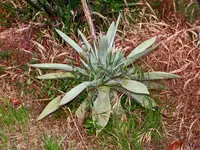
Rock mulch ring

Create a 5–10 cm ring of coarse gravel or small rocks around the base to keep the crown dry, reduce soil splash on leaves, and discourage rot and snails when growing Agave guiengola.

Protective winter cover

In marginal climates, set up a simple rain shelter or cold frame over the plant before extended winter rain to keep the rosette dry while still allowing full light and air movement.

Offset management

Inspect the base annually and remove crowded offsets with a clean, sharp knife, then let the cut surfaces callus for several days before replanting in a separate pot to maintain the parent plant’s form and reduce fungal issues.

Safe handling routine

Handle the plant with thick gloves and, if needed, folded newspaper or tongs around the leaf base to avoid injury and to prevent accidentally snapping brittle leaves during repotting or inspection.

Container weight control

Use a wide, heavy container or place bricks or stones at the pot base to prevent top-heavy plants from tipping over, especially outdoors in windy sites or on balconies.

Common Pests and Diseases

Agave snout weevil

This pest bores into the base of the rosette, causing collapse of leaves and foul-smelling rot at the crown.

Solution

Inspect the crown and lower leaves regularly in warm months, remove and destroy any infested plants, and discard surrounding soil where larvae may be present. In landscapes, use a systemic insecticide labeled for agaves as a preventative on nearby healthy plants and avoid wounding the plant base, which attracts adults.

Soft scale

These insects form small, dome-shaped bumps on leaves and along the midrib, leading to sticky honeydew and black sooty mold on the foliage.

Solution

Wipe leaves with a cloth dipped in diluted insecticidal soap or horticultural oil, repeating every 7–10 days until new growth is clean. For heavy outdoor infestations, prune heavily coated leaves and dispose of them, and keep the plant in bright, dry conditions to discourage reinfestation as part of overall Agave guiengola care.

Aloe mite (eriophyid mite)

This pest causes distorted, warty, or tumor-like growths on leaf edges and the crown, often with abnormal tissue that looks corky or swollen.

Solution

Cut away and discard all affected tissue well into healthy green tissue, sterilizing tools between cuts. If galling is severe or reaches the core, remove and destroy the entire plant to prevent spread to other agaves, and avoid overhead watering that splashes mites between plants.

Anthracnose leaf spot

This disease produces sunken, tan to dark-brown lesions on leaves that may expand and merge, sometimes with a darker border around each spot.

Solution

Remove and discard affected leaves promptly and keep water off the foliage by watering at the soil level. Improve spacing and airflow, avoid overhead irrigation, and in persistent outdoor cases use a copper-based fungicide according to the label to protect new leaves.

Bacterial soft rot

Symptoms include sudden leaf collapse starting near the crown, with wet, mushy tissue and a strong unpleasant odor in the affected area.

Solution

At the earliest signs, remove the plant from its pot or bed and cut away all soft, discolored tissue, then allow remaining healthy tissue to dry in a warm, airy place before replanting in sharply draining soil. If rot has reached the core, discard the plant and any contaminated soil, reduce watering frequency, and avoid water sitting in the rosette or around the crown in cool or humid conditions.

Interesting Facts

Narrow limestone specialist

This species is naturally restricted to limestone outcrops and steep slopes in Oaxaca, Mexico, where it anchors in thin, alkaline, rocky soils with very little organic matter.

Waxy, glaucous armor

Its broad, pale blue to gray leaves are coated in a bluish waxy bloom called epicuticular wax, which reflects intense sunlight and reduces water loss in its arid native habitat.

Unarmed leaf margins

Unlike many related agaves, this species often has relatively smooth or lightly toothed leaf edges, with most of the armament concentrated in a single terminal spine at the leaf tip.

Botan icon

Did you know?

In its native habitat this species is considered geographically rare, occurring in a limited area near Guiengola in Oaxaca, which is the origin of its species name guiengola, directly tying its scientific identity to that specific Mexican locality.

FAQs about Agave guiengola

This species usually flowers only once at maturity, often after many years. Lack of bloom is normal in younger plants. Cool, dry winters, strong light, and avoiding excess nitrogen fertilizer help support eventual flowering.

Grow Healthy Plants with Botan Care

Keep your plants happy and healthy with plant identification, disease detection, and easy care guidance.

Botan plant care app — identify plants on mobile

Explore More Plants