


Winter rest setup
Provide a cool, bright, very dry rest in winter around 40–50°F to encourage stronger flowering and tighter spine formation the following season.

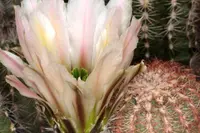
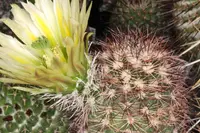
Rainbow cactus, Echinocereus pectinatus, is a small, slow-growing desert cactus known for its neat ribs and dense comb-like spines that can show subtle banded colors. Mature plants form low, rounded stems that may slowly clump over time, staying compact and suitable for containers.
This species comes from arid regions of northern Mexico and the southwestern United States, where it grows in rocky, well-drained soils with intense sun and low rainfall. Its thick skin and water-storing tissues help it tolerate drought and make care for rainbow cactus fairly straightforward when watering is restrained.
It prefers bright light, minimal moisture, and a gritty, fast-draining soil mix to avoid root rot and maintain healthy growth.

Care Difficulty
Moderate Care

Light Preference
Full Sun

Water Requirements
Low Water

Temperature Preference
Warm Climate

Hardiness Zone
8–11

Soil Texture
Sandy, Loamy, Rocky

Soil pH
Slightly acidic (6.5–7.0), Neutral (7.0)

Soil Drainage
Well-drained

Fertilization
Minimal (feed rarely)
Scan your plant to receive care tips personalized for your specific plant
Available on iOS and Android
This cactus prefers strong light and benefits from several hours of direct sun each day.
This desert species needs infrequent, thorough watering and fast-draining soil to avoid root problems.
This species thrives in warm, dry conditions but tolerates a notable range of outdoor temperatures.
This cactus prefers fairly dry air and usually does well in typical indoor humidity.
This species needs a very fast-draining, mineral, cactus-style substrate to prevent root rot.
This cactus is well suited to container growing when drainage and pot choice are managed carefully.
This cactus benefits from light feeding during its active season, but excessive fertilizer harms roots and weakens growth.
Echinocereus pectinatus needs minimal pruning, mainly to maintain plant health and safety.
This cactus grows slowly and prefers infrequent repotting or disturbance of its root system.
New Echinocereus pectinatus plants are most often raised from seed, as offsets are not always abundant.
This cactus is relatively cold hardy when dry, but winter conditions still require some attention.

Plant Health Check
Not sure what's wrong with your plant? Check your plant's health inside the app.
This species is named for its distinctive comb-like radial spines, which are closely set and often flattened against the stem, creating a finely textured, banded appearance unlike many other Echinocereus species.
Mature plants produce relatively large, funnel-shaped flowers in spring, typically pink to magenta with a contrasting pale throat, that can be almost as wide as the stem and open for several days in good light.
In its native range in northern Mexico and the southwestern United States, this cactus survives brief drops below freezing when kept dry, an adaptation to high-elevation desert and grassland habitats with cold winter nights.

Some populations in cultivation originate from forms historically described as separate varieties or closely related taxa, so plants sold under this name can show notable variation in spine color, density, and flower shade, reflecting the species’ naturally diverse genetics across its broad native range.
Lack of flowers often comes from insufficient light, a pot that is too large, or no cool, dry winter rest. Mature plants bloom more reliably when slightly rootbound and given a pronounced dry, cooler dormant period.
Keep your plants happy and healthy with plant identification, disease detection, and easy care guidance.

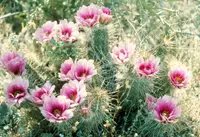
pinkflower hedgehog cactus
Echinocereus fasciculatus
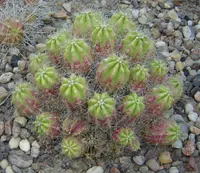
pitaya
Echinocereus enneacanthus
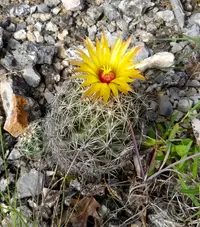
Pineapple Cactus
Coryphantha sulcata
 POPULAR
String of Fishhooks
Curio radicans
Partridge-breast Aloe
Gonialoe variegata
Coryphantha salinensis
Coryphantha salinensis
Aztekium hintonii
Aztekium hintonii
spiny hedgehog cactus
Echinocereus dasyacanthus