Waiuatua Care (Euphorbia glauca)

Also known as: Shore Spurge
Waiuatua

About Waiuatua

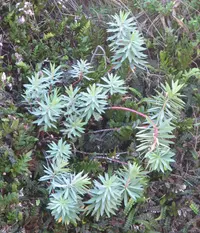
Waiuatua, known botanically as Euphorbia glauca, is a coastal perennial native to New Zealand. It typically forms low, spreading clumps with bluish-green stems and leaves. Small, reddish to green flower structures appear near the stem tips and give the plant a distinctive, fine-textured look. In nature, it grows on dunes, cliffs, and other windy, salty sites close to the sea. It is generally resilient once established but can be short-lived in very wet or poorly drained soils. Gardeners who care for Waiuatua should note its preference for sun, good drainage, and relatively lean, sandy ground.

Main Plant Requirements

Care Difficulty

Moderate Care

Light Preference

Full Sun

Water Requirements

Low Water

Temperature Preference

Cool Climate

Hardiness Zone

7–10

Soil Texture

Sandy, Loamy, Rocky

Soil pH

Slightly acidic (6.5–7.0), Neutral (7.0)

Soil Drainage

Well-drained

Fertilization

Minimal (feed rarely)

Get Personalized Care Plan

Scan your plant to receive care tips personalized for your specific plant

Available on iOS and Android

How to Care for the Waiuatua

This coastal species prefers bright, open conditions with some protection from intense heat.

  • Provide 6–8 hours of sun, ideally with morning sun and light afternoon shade, especially inland, to support compact, colorful growth when caring for Waiuatua.
  • Tolerates light or partial shade (3–4 hours sun), but stems may stretch and foliage color dulls if light is too low.
  • In hot summers, protect from harsh afternoon sun to reduce leaf scorch; in cooler or windy coastal sites, full sun exposure is usually well tolerated.

This species is drought-tolerant and prefers infrequent, deep watering in fast-draining soil.

  • Allow the top 3–5 cm of soil to dry before watering again; in sandy, coastal soils this often means waiting until the surface looks pale and feels dry to the touch.
  • In spring and summer, water thoroughly but let excess drain away; in fall and winter, reduce frequency and only water when soil is almost dry to avoid root rot in Euphorbia glauca.
  • Watch for yellowing, soft stems and a sour smell as signs of overwatering, and for shriveling or dropping lower leaves as indicators of underwatering.

This hardy coastal plant tolerates cool conditions but still benefits from moderate temperatures for best growth.

  • Optimal growth occurs around 60–70°F (16–21°C), with steady, moderate temperatures helping maintain compact form and healthy foliage.
  • Mature plants generally tolerate down to about 15–20°F (-9 to -6°C) with good drainage, but repeated freeze-thaw cycles and waterlogged soils increase winter damage risk.
  • Handles summer heat up to about 85–90°F (29–32°C) if soil is not soggy and roots are mulched; prolonged temperatures above this, combined with hot, dry winds, can cause leaf scorch and stress.

Humidity is rarely a limiting factor for Euphorbia glauca, which prefers dry, airy conditions.

  • Aim for 30–50% humidity, similar to most heated indoor spaces or dry coastal climates.
  • This species tolerates dry air well; problems usually come from excess moisture around roots rather than low humidity.
  • If stems soften, yellow, or develop rot-like patches, reduce ambient moisture and increase air movement instead of adding humidity.

Euphorbia glauca needs fast-draining, airy soil that never stays wet for long.

  • Use a sandy or gritty loam with 30–50% mineral grit such as coarse sand, pumice, or perlite to keep pores open.
  • Maintain slightly acidic to neutral pH, roughly 6.0–7.0, which suits most commercial cactus or succulent mixes.
  • Add a small proportion of well-decomposed compost for nutrients but avoid heavy, peat-dominant mixes that hold water too long.
  • Avoid compacted, clay-rich, or poorly drained sites; standing water around roots quickly triggers rot and decline.

This coastal species adapts well to container growing when drainage and stability are managed carefully.

  • Choose a wide, heavier pot that resists tipping as the clumps spread and catch wind outdoors.
  • Select unglazed clay if extra evaporation is needed in wet climates, or thicker plastic in very hot, dry areas to slow moisture loss.
  • Elevate the pot slightly on feet or bricks so drainage holes stay clear and runoff moves away quickly, limiting root rot risk while caring for Waiuatua.

This coastal perennial needs only light feeding in most garden soils, especially when caring for Waiuatua in lean, sandy sites.

  • Use a balanced, slow-release fertilizer (around 10-10-10) or a thin layer of compost in early spring.
  • Feed once at the start of the growing season; avoid repeated applications on fertile soil.
  • Dilute liquid feed to 1/2 strength if used on container plants to limit salt buildup.
  • Do not fertilize in winter dormancy, and reduce feeding in late fall to keep growth compact.

Pruning Euphorbia glauca is mainly done to maintain a clean, compact clump and support flowering performance.

  • Best time for pruning is late winter to early spring before strong new growth starts.
  • Remove dead, damaged, or frost-burned stems at the base using clean, sharp pruners.
  • Thin out crowded or sprawling shoots to improve air flow and keep a tidy, dome-shaped habit.
  • Wear gloves and avoid skin contact with the milky sap; let cuts dry in air to seal naturally.

This species is usually grown in the ground, so focus on careful transplanting rather than frequent repotting.

  • Transplant in early spring or early fall when temperatures are mild and soil is workable.
  • Look for signs like poor vigor, crowding, or roots circling a pot if grown in containers.
  • Move the plant with a wide, deep root ball, keeping as much native soil around the roots as possible.
  • Water thoroughly after planting, then keep soil lightly moist for 1–2 weeks to limit transplant shock.

Euphorbia glauca is commonly propagated by semi-ripe cuttings or careful division of established clumps.

  • Take non-flowering stem cuttings in late spring to summer; let cut ends dry briefly to reduce sap flow.
  • Insert cuttings into a sharply drained, gritty mix and keep in bright, indirect light with minimal moisture.
  • Divide mature clumps in early spring, keeping divisions small with intact roots and several shoots.
  • Seed can be sown in trays with free-draining mix; provide cool stratification if germination is slow.

This coastal euphorbia is fairly cold hardy and often needs only modest winter care in mild climates.

  • Tolerates light to moderate frost but benefits from shelter in exposed, windy sites.
  • Apply a 3–5 cm mulch around the root zone in late fall, keeping material away from stems.
  • In very cold regions, grow in containers and move to a cold, bright, frost-free spot over winter.
  • Reduce watering in winter so soil stays barely moist, preventing root rot in cold, wet conditions.

Care Tips

Salt-wind hardening

Before planting in a very exposed coastal site, grow young plants in a slightly sheltered spot for 4–6 weeks so they gradually adjust to wind and salt spray instead of scorching or stunting immediately.

Rhizome spread control

Every 1–2 years, slice a spade straight down around the clump to sever outer rhizomes, then lift and remove any unwanted shoots so the plant does not overrun neighboring groundcovers or delicate perennials.

Winter drainage check

In late fall, test drainage by filling the planting area with water and timing how fast it disappears; if it stands longer than 1–2 hours, raise the plant on a low mound or add coarse grit to avoid root loss over winter.

Self-seeding management

Mark the mother plants and remove excess seedlings in late winter or early spring, keeping only well-spaced, strong plants so the stand stays airy and does not crowd out other dune or rock-garden species.

Protective handling gear

Always wear gloves, long sleeves, and eye protection when cutting or dividing plants, and have water ready to rinse skin quickly if the milky sap contacts it, which is an important safety step when caring for Waiuatua.

Common Pests and Diseases

Powdery mildew

This disease causes a white, powdery coating on leaves and stems, often during warm days with cool, humid nights. Symptoms include distorted new growth and a dull, grayish appearance on affected areas.

Solution

Remove heavily infected stems and any fallen plant debris, then improve air circulation by thinning crowded shoots and avoiding overhead watering. In persistent cases, apply a sulfur or potassium bicarbonate fungicide labeled for ornamentals, coating all green surfaces and repeating as directed to support Euphorbia glauca care in coastal or humid gardens.

Rust fungi

This disease produces orange to brown pustules on the undersides of leaves, sometimes with yellowing or early leaf drop. Symptoms include scattered spots that can merge into larger discolored areas under prolonged wet conditions.

Solution

Promptly remove and dispose of affected leaves and any nearby plant debris to reduce spore spread. Reduce leaf wetness by watering at the soil level, increase spacing for better airflow, and, if needed, use a copper-based fungicide according to label directions during extended wet periods.

Aphids

These insects cluster on soft new growth and flower stems, sucking sap and causing curling, stunting, or yellowing. This pest can excrete sticky honeydew that may attract sooty mold on nearby surfaces.

Solution

Spray colonies off with a firm stream of water and pinch back heavily infested shoot tips. For continuing infestations, treat with insecticidal soap or a light horticultural oil, ensuring full coverage of stems and leaf undersides while avoiding application in strong sun or high heat.

Mealybugs

These insects appear as small, white, cottony clumps at stem joints, on roots, or in leaf crevices, feeding on plant sap. This pest weakens plants over time and may cause distorted growth and sticky residue.

Solution

Isolate affected plants, then dab visible mealybugs with cotton swabs dipped in isopropyl alcohol to break down their waxy coating. Follow up with applications of insecticidal soap or systemic insect granules suited to ornamentals, and inspect regularly around the plant base and crown where colonies often hide.

Crown stem canker

This disease causes dark, sunken lesions at the crown or lower stems, sometimes accompanied by wilting, dieback, and poor regrowth after cutting or storm damage. Symptoms include cracking or girdling at the base where wounded tissue has been infected by opportunistic fungi.

Solution

Cut out and discard all affected stems back to healthy, firm tissue, sterilizing tools between cuts with alcohol or a 10% bleach solution. Improve drainage around the crown, avoid burying stems or mulching tightly against them, and prevent mechanical injury from trimming or foot traffic to limit further infections.

Interesting Facts

New Zealand coastal specialist

This species is naturally restricted to coastal habitats of New Zealand, often growing in sandy or rocky soils just above the high-tide line where salt spray and strong winds limit many other plants.

Blue-grey leaf wax

Its characteristic blue-grey foliage comes from a waxy coating on the leaves and stems that helps reduce water loss and offers some protection against salt and intense light in exposed shore environments.

Threatened native species

Although still present in scattered coastal sites, this plant is considered at risk in New Zealand because habitat loss, coastal development, and competition from invasive species continue to reduce and fragment its natural populations.

Botan icon

Did you know?

This plant exudes a milky, latex-like sap typical of the Euphorbia genus, and in coastal New Zealand ecosystems this sap-rich tissue can deter many grazing animals, helping the species persist in open, windswept areas with little physical shelter.

FAQs about Waiuatua

This species spreads by creeping rhizomes and self-seeding, forming low colonies over time. In most gardens it is manageable. Edge beds, remove unwanted shoots, and deadhead if necessary in sensitive areas or near natural shorelines.

Grow Healthy Plants with Botan Care

Keep your plants happy and healthy with plant identification, disease detection, and easy care guidance.

Botan plant care app — identify plants on mobile

Explore More Plants