kiss me quick Care (Portulaca pilosa)

Also known as: shaggy portulaca, Hairy Pigweed, pink purslane, kiss-me-quick
kiss me quick

About kiss me quick

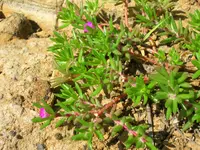
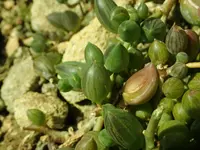
Kiss me quick, Portulaca pilosa, is a small, sun-loving succulent often grown as a groundcover or in containers. It forms low, spreading mats with narrow, fleshy leaves and bright, short-lived flowers.

This species is native to warm, dry regions of the Americas, where it naturally grows in sandy or rocky soils. Its drought tolerance and modest nutrient needs make it relatively easy to grow.

It prefers full sun, very well-drained soil, and light but regular watering during active growth. Because it can handle heat and brief neglect, it suits beginners learning how to care for kiss me quick.

Main Plant Requirements

Care Difficulty

Easy Care

Light Preference

Full Sun

Water Requirements

Low Water

Temperature Preference

Tropical / Frost Sensitive

Hardiness Zone

9–11

Soil Texture

Sandy, Loamy, Rocky

Soil pH

Acidic (5.5–6.5), Slightly acidic (6.5–7.0)

Soil Drainage

Well-drained

Fertilization

Minimal (feed rarely)

Get Personalized Care Plan

Scan your plant to receive care tips personalized for your specific plant

Available on iOS and Android

How to Care for the kiss me quick

This sun-loving succulent needs strong light to flower well.

  • Provide 6–8 hours of direct sun daily; full sun sites are ideal for Portulaca pilosa in the ground or rock gardens.
  • It tolerates light partial shade, especially with morning sun and light afternoon shade in very hot summers, but flowering density will decrease.
  • In cloudy or short-day seasons, choose the brightest, south- or west-facing spot; plants grown in too much shade become leggy and bloom sparsely, even for kiss me quick.

This drought-tolerant species prefers infrequent, light watering in fast-draining soil.

  • Water only when the top 3–5 cm of soil are completely dry; in hot, dry weather this may mean every few days, but in cool periods much less often.
  • Choose sandy or gritty soil so excess water drains quickly; soggy, compacted ground causes yellowing leaves, root rot, and sudden collapse.
  • Signs of underwatering are limp, shriveled stems that perk up soon after a light soak, while persistent softness and a sour smell in the soil indicate overwatering in Portulaca pilosa.

This warm-season plant thrives in heat but is damaged by cold and frost.

  • Ideal growth occurs around 70–90°F (21–32°C), where flowering is heaviest and foliage stays compact and dense.
  • It tolerates brief spikes up to about 100°F (38°C) if soil is dry and roots are not waterlogged, but flowers may close during extreme midday heat.
  • Growth slows below 60°F (16°C), foliage is damaged near 40°F (4°C), and frost at 32°F (0°C) or below usually kills plants, so treat it as a frost-tender annual in cool climates.

This drought-adapted succulent tolerates low humidity and rarely needs special humidity management when grown as kiss me quick.

This species prefers lean, fast-draining, sandy soil that mimics its native habitats.

  • Use a gritty mix such as 60–70% coarse sand or fine gravel blended with 30–40% standard potting mix.
  • Aim for slightly acidic to neutral pH around 6.0–7.0, avoiding strongly acidic or alkaline substrates.
  • Improve drainage and aeration by adding perlite or pumice if the potting base feels dense or stays wet longer than 1 day.
  • Avoid heavy clay, compacted ground, or mixes rich in peat or water-retentive compost that keep roots continuously moist.

This low, spreading succulent is well suited to container growing outdoors in sunny spots.

  • Choose a wide, shallow pot that matches the plant’s mat-forming habit and prevents unused, wet lower layers of mix.
  • Select terracotta or other porous materials to let the fast-draining mix dry quickly between waterings.
  • Raise containers slightly on pot feet or bricks so excess water exits freely and does not pool under the base.

This drought-tolerant succulent needs only light feeding to flower well in containers or poor soils.

  • Use a balanced liquid fertilizer at 1/4–1/2 strength for caring for kiss me quick in pots or hanging baskets.
  • Feed every 4–6 weeks during the warm growing season if growth or flowering declines.
  • Skip fertilizer in winter or cool dormant periods to avoid weak, stretched growth.
  • In the ground, rely mostly on lean, well-drained soil; a thin layer of compost in spring is enough.

Light pruning keeps Portulaca pilosa compact and encourages more blooms.

  • Pinch or snip back leggy stems in late spring and mid-summer to thicken growth.
  • Remove spent flowers and any dead or damaged stems to extend flowering and reduce disease risk.
  • Thin out crowded, inward-growing shoots to maintain an open, mounded shape.
  • Use clean, sharp scissors or pruners and cut just above a healthy leaf node.

This shallow-rooted succulent is usually transplanted rather than frequently repotted.

  • Transplant in late spring after frost, when plants outgrow their space or flowering declines despite good light.
  • Check for roots circling the container or emerging from drainage holes as a sign a larger pot is needed.
  • Move up only 1 pot size, using a very free-draining cactus or sandy mix to limit water stress.
  • Water lightly after transplanting, then allow soil to dry between waterings to encourage new root growth.

Portulaca pilosa is commonly propagated from both seeds and short stem cuttings.

  • Sow seeds in late spring on the surface of a gritty, well-drained mix; press in but do not bury deeply.
  • Keep germination trays warm (70–80°F) with bright light and slightly moist, not wet, substrate.
  • For cuttings, take 5–8 cm non-flowering shoots, remove lower leaves, and insert into dry, sandy mix.
  • Allow cut ends to callus for a few hours before planting, then water sparingly until roots form.

This warm-season succulent is not frost hardy and needs simple measures in cold climates.

  • In USDA zones below 9, treat outdoor plants as annuals or overwinter cuttings indoors.
  • Before first frost, move containers to a bright, cool indoor spot and reduce watering sharply.
  • In mild climates, a light gravel mulch around the crown improves drainage through cool, wet weather.
  • Avoid wet, cold soil, which causes root and stem rot during winter conditions.

Care Tips

Encourage Compact Growth

Pinch back the longest, straggly stems by 2–3 in in early summer to keep plants dense, encourage branching, and extend the flowering period when growing kiss me quick.

Improve Heat Resilience

Mulch lightly with coarse gravel or small stones around the base in outdoor containers or beds to reduce soil temperature swings while keeping the crown dry and well aerated.

Rooting Stem Cuttings

Take 3–4 in non-flowering stem pieces, strip the lower leaves, and press them into a shallow tray of sandy mix to quickly produce backup plants for filling gaps or replacing winter losses.

Prevent Rot In Containers

Use low, wide containers with at least one large drainage hole and elevate the pot slightly on feet or bricks so excess water can escape freely after heavy summer storms.

Seasonal Renewal Planting

In regions with cool, wet winters, treat plants as short-lived perennials by replanting fresh cuttings or nursery stock each spring to maintain vigorous, floriferous mats rather than keeping old, woody clumps.

Common Pests and Diseases

Aphids

These insects feed on young stems and flower buds, sucking sap and causing distortion, sticky honeydew, and sometimes sooty mold growth. This pest is more common on lush, well-watered plants grown in containers or rich soil.

Solution

Rinse colonies off with a firm stream of water and remove heavily infested shoots. If needed, apply insecticidal soap or a light horticultural oil in the cool part of the day, repeating every 5–7 days until new growth is clean, and avoid overfertilizing to reduce soft, aphid-prone growth.

Spider mites

These pests thrive in hot, dry conditions and cause fine stippling on leaves, leaf edge bronzing, and delicate webbing between stems. Symptoms include gradual yellowing and a dusty appearance on foliage.

Solution

Increase humidity around the plants slightly by using nearby water trays and regularly hose down stems, especially the undersides. For persistent infestations, use insecticidal soap or a miticide labeled for spider mites, making 2–3 applications 5–7 days apart, and remove the most damaged growth to reduce populations.

Mealybugs

These insects appear as white cottony clusters in stem joints and on tender shoots, feeding on sap and weakening plants while excreting sticky honeydew. This pest is more frequently seen on container plants or hanging baskets kept in sheltered spots.

Solution

Dab visible insects with cotton swabs dipped in 70% isopropyl alcohol and prune heavily infested stems. Follow up with insecticidal soap or a systemic insecticide labeled for ornamentals if needed, and reduce overcrowding so stems dry quickly after watering, which makes conditions less favorable for mealybugs.

Powdery mildew

This disease shows as white to gray powdery patches on leaves and stems, leading to reduced vigor and sometimes leaf yellowing or distortion. It is more likely under warm days, cool nights, and crowded plantings with poor air movement.

Solution

Improve air circulation by thinning crowded clumps and avoiding overhead watering late in the day. Remove and discard badly affected stems, and if needed apply a sulfur, potassium bicarbonate, or other labeled fungicide at the first sign of a white film, repeating according to label directions until new growth stays clean.

Botrytis blight

This disease causes water-soaked spots on petals and stems that turn tan to brown and may develop gray fuzzy mold, especially after rainy or humid periods. Symptoms include collapsing flowers and soft, rotting tissue at the base of dense stems.

Solution

Promptly remove spent flowers and any soft, moldy tissue, and ensure the plant grows in a sunny, well-ventilated spot with fast-draining soil. Avoid wetting flowers and foliage when watering, space plants so they dry quickly, and use a labeled fungicide during prolonged wet weather if the problem recurs despite cultural corrections.

Interesting Facts

C4 sand specialist

This species uses C4 photosynthesis, a pathway that improves efficiency in high light and heat, and naturally occurs in sandy, disturbed, or coastal habitats where many broadleaf plants struggle to survive.

Sticky-haired stems

The plant bares fine, often glandular hairs on its stems and leaves that can make the foliage feel slightly sticky, a trait that helps reduce water loss and may deter small herbivores or insects.

Wide native range

It is native to a broad area including the southeastern United States, Mexico, the Caribbean, and parts of Central and South America, where it occupies open, dry, and often nutrient-poor sites as a low, spreading groundcover.

Botan icon

Did you know?

In parts of its range, Portulaca pilosa is one of the first small forbs to recolonize disturbed sandy soils, helping stabilize the surface and creating microhabitats that make it easier for other plants and soil organisms to establish later in succession.

FAQs about kiss me quick

This species needs strong light, warmth, and relatively lean, well-drained soil to set buds. Excess shade, rich or constantly moist soil, or very old, woody stems often reduce flowering. Light trimming and seasonal replanting usually improve performance.

Grow Healthy Plants with Botan Care

Keep your plants happy and healthy with plant identification, disease detection, and easy care guidance.

Botan plant care app — identify plants on mobile

Explore More Plants