Partridge-breast Aloe Care (Gonialoe variegata)

Also known as: Common Partridge Aloe, Tiger Aloe, Partridge-Breasted Aloe, Variegated Aloe
Partridge-breast Aloe

About Partridge-breast Aloe

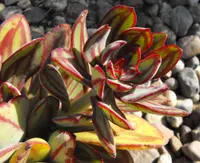
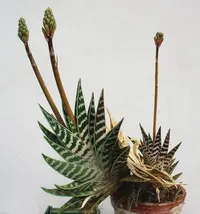
Partridge-breast aloe, Gonialoe variegata, is a compact succulent from arid regions of South Africa and Namibia. It forms tight rosettes of thick, triangular leaves with striking white bands. The plant stays relatively small and upright, making it suitable for windowsills and small indoor spaces. Mature plants produce tall flower spikes with tubular orange or coral blooms. This species is slow growing and generally long lived when kept dry and bright. It tolerates some neglect, so learning how to care for Partridge-breast Aloe is manageable for most beginners. It prefers strong light, infrequent watering, and a very well-drained, gritty soil mix.

Main Plant Requirements

Care Difficulty

Easy Care

Light Preference

Partial Sun

Water Requirements

Low Water

Temperature Preference

Tropical / Frost Sensitive

Hardiness Zone

10–11

Soil Texture

Sandy, Loamy, Rocky

Soil pH

Slightly acidic (6.5–7.0), Neutral (7.0)

Soil Drainage

Well-drained

Fertilization

Minimal (feed rarely)

Get Personalized Care Plan

Scan your plant to receive care tips personalized for your specific plant

Available on iOS and Android

How to Care for the Partridge-breast Aloe

This succulent needs bright light with some protection from intense midday sun to keep compact, patterned leaves.

  • Provide 4–6 hours of direct morning sun or late afternoon sun, plus bright filtered light for the rest of the day, especially for Partridge-breast Aloe kept in containers.
  • Outdoors, give east or light south exposure; protect from harsh summer sun between 11 a.m. and 3 p.m. to prevent leaf scorch and bleaching.
  • If leaves stretch, lose markings, or lean strongly toward a window, increase light gradually over 7–10 days to avoid sunburn.

This species stores water in its leaves and needs infrequent, thorough watering in fast-draining soil.

  • Water only when the top 3–5 cm of soil are completely dry, then soak the root zone and let all excess drain away.
  • In spring and summer, this may mean watering every 10–21 days; in fall and winter, reduce frequency further, especially in cool conditions.
  • Watch for mushy, translucent leaves or a sour soil smell as signs of overwatering, and very thin, wrinkled leaves as a sign that Gonialoe variegata is staying too dry for too long.

This plant prefers warm, dry conditions and does not tolerate frost.

  • Aim for 65–80°F (18–27°C) for active growth, with slightly cooler nights improving color and pattern.
  • Protect from temperatures below 40°F (4°C); brief exposure near 32°F (0°C) can cause leaf damage, and hard frost can kill the plant.
  • In hot summers above 90°F (32°C), provide light shade and good airflow to limit heat stress and prevent sunscald on the leaves.

This succulent handles typical indoor humidity well and rarely needs special adjustment.

  • Aim for 30–50% humidity, as very damp air combined with cool temperatures increases rot risk.
  • Dry household air is usually tolerated, but prolonged hot drafts can shrivel leaf tips.
  • If leaves wrinkle despite correct watering, briefly raise humidity with a nearby pebble tray rather than misting Partridge-breast Aloe directly.

This species needs a very fast-draining, mineral-rich mix that keeps roots dry between waterings.

  • Use a cactus/succulent mix based on sandy or gritty texture, not peat-heavy potting soil.
  • Improve drainage and aeration by blending in extra pumice, perlite, or coarse horticultural sand at 30–50%.
  • Keep pH slightly acidic to neutral, around 6.0–7.0, avoiding strongly alkaline or salty substrates for Gonialoe variegata.
  • Avoid dense, water-retentive mixes and any container setup where water can linger around the root zone.

This compact succulent is very suitable for container growing.

  • Choose a wide, shallow pot that matches the fibrous, shallow root system and prevents water pooling at depth.
  • Select unglazed terracotta if extra evaporation is needed for a chronically damp environment or heavy-handed watering style.
  • Place the pot in a stable, low-traffic spot so the weight of the rosette does not tip a lightweight container on hard surfaces.

This succulent needs modest feeding, as Partridge-breast Aloe stores nutrients efficiently in its leaves and roots.

  • Use a balanced liquid fertilizer (for example 10-10-10) diluted to 25–50% strength.
  • Feed once every 4–6 weeks during spring and summer, only on moist soil.
  • Skip compost-heavy mixes; choose a low-organic, cactus or succulent formula.
  • Stop feeding in fall and winter when growth slows, to avoid soft, weak tissue.

Gonialoe variegata needs only light, hygienic pruning to maintain a compact, healthy rosette.

  • Best time is late spring to summer, when the plant is actively growing.
  • Remove dead, shriveled, or damaged leaves at the base with clean, sharp scissors or pruners.
  • Cut spent flower stalks close to the rosette to keep the plant tidy and redirect energy to leaf growth.
  • Avoid removing healthy outer leaves, which can distort the natural form.

This slow-growing succulent prefers slightly tight quarters and infrequent repotting.

  • Check for roots circling the pot, emerging from drainage holes, or unexplained slow growth as repotting signals.
  • Plan to move Gonialoe variegata into a slightly wider container every 3–4 years in spring.
  • Use a dry, well-draining cactus mix, gently loosen roots, and avoid breaking thick storage roots.
  • Water lightly 3–5 days after repotting to limit rot risk and help stressed roots recover.

Gonialoe variegata is most reliably propagated by division of offsets formed around the mother rosette.

  • Separate offsets in spring or early summer when day length and temperatures favor new root growth.
  • Lift the plant, then gently twist or cut pups away, keeping some roots attached.
  • Allow cut surfaces to dry and callus for 1–3 days in shade before potting.
  • Plant in dry, gritty cactus mix, then water lightly after 3–5 days to encourage rooting.

This succulent is frost sensitive and needs protection in regions with cold winters.

  • Keep plants above 40°F; prolonged exposure below freezing damages leaves and roots.
  • Move containers indoors to a bright, cool room before night temperatures drop near 40°F.
  • Reduce watering sharply in winter, keeping the mix almost dry to prevent cold-related rot.
  • In mild climates, use very sharp-draining soil and a rain-sheltered spot to avoid saturation.

Care Tips

Rotate for symmetry

Turn the pot 90° every 2–3 weeks so the rosette receives even light from all sides and develops a compact, balanced shape instead of leaning toward one direction.

Use a clay pot

Grow the plant in an unglazed terracotta pot with a drainage hole to allow faster evaporation from the root zone and reduce the risk of rot in dense, triangular leaves.

Top-dress with grit

Add a 0.5–1 in layer of coarse gravel or horticultural grit on the soil surface to keep leaf bases dry, discourage fungus gnats, and stabilize the shallow root system.

Winter rest adjustment

From late fall through winter, move the plant to the brightest possible spot and keep it slightly cooler and drier to support a natural rest period that promotes stronger growth in spring.

Inspect leaf bases

Every month, gently spread the lower leaves and check their bases for soft spots, mold, or scale insects, since early detection here is one of the most effective parts of caring for Partridge-breast Aloe.

Common Pests and Diseases

Aloe mite

This pest causes distorted, lumpy, or club-like growths along leaf edges or at the crown, often with rough, corky tissue. Symptoms include abnormal rosettes and tight clusters of deformed leaves that do not open normally.

Solution

Remove and destroy all affected leaves or entire rosettes, cutting well into healthy tissue to reduce the mite population. Disinfect tools with 70% isopropyl alcohol after each cut, isolate the plant from others, and maintain good air movement and strong light, which supports plant vigor and reduces spread; severe, systemically infested plants are best discarded to protect nearby succulents when following Gonialoe variegata care instructions.

Aloe rust

This disease produces small yellow spots on leaves that turn into sunken brown to black lesions, sometimes surrounded by a yellow halo. Symptoms include powdery dark spores on the lesion surface in advanced stages.

Solution

Remove and discard leaves with multiple or expanding lesions to limit spore spread, and avoid overhead watering so foliage stays dry. Improve air circulation around the plant, keep it in bright light, and if the problem recurs, apply a sulfur-based or copper-based fungicide labeled for ornamental succulents, following the product directions carefully.

Aloe scale

This pest appears as small, hard, brown or gray bumps on leaves and stems that do not rub off easily and may cause yellowing or weak growth. These insects feed on plant sap and often produce sticky honeydew that can lead to sooty mold on leaf surfaces.

Solution

Gently scrape individual scales off with a cotton swab or soft tool, then wipe leaves with cotton pads soaked in 70% isopropyl alcohol to dissolve remaining juveniles. Repeat every 7–10 days until no new scales appear, isolate the plant from other succulents, and reduce crowding so leaves do not touch neighboring plants, which limits spread.

Mealybugs

This pest forms white, cotton-like clusters in leaf axils, along leaf bases, and sometimes on roots, leading to stunted growth and sticky honeydew. These insects are often first noticed as small bits of white fluff lodged between the patterned leaves.

Solution

Dab visible mealybugs with 70% isopropyl alcohol using cotton swabs, then wipe accessible surfaces to remove egg masses and residue. Inspect the plant weekly, repeat spot treatments as needed, rinse the plant gently with lukewarm water, and consider a systemic insecticide labeled for indoor succulents in severe, persistent infestations, while ensuring good light and low-humidity conditions to discourage pests.

Basal stem rot

This disease starts at the base of the rosette where leaves meet the stem, causing soft, water-soaked tissue, collapse of the lower leaves, and often a foul odor. Symptoms include sudden plant instability in the pot and browning or blackening at the soil line while upper leaves may still look green for a short time.

Solution

Unpot the plant, cut away all soft or discolored tissue back to firm, healthy material, and let the remaining rosette dry in a shaded, airy place for 3–5 days to callus. Replant in fresh, very fast-draining succulent mix, use a pot with large drainage holes, water lightly and only when the mix is fully dry, and keep the plant in bright, warm conditions to support recovery and prevent further infection.

Interesting Facts

Distinct partridge pattern

The leaves show irregular cream and pale green bands that resemble the plumage of a partridge, which is the origin of the common name partridge-breast aloe.

Extreme desert specialist

This species is native to arid parts of South Africa and Namibia, where it survives on rocky slopes with very shallow, fast-draining soils and erratic rainfall.

Solitary rosette habit

Unlike many related aloes that form large clumps, this plant typically remains as a single compact rosette or only slowly offsets, which makes it naturally suited to container growing.

Botan icon

Did you know?

In its native range, this species often shelters in the partial shade of rocks or shrubs, using them as a microhabitat that reduces heat and water stress while still providing enough light for efficient photosynthesis.

FAQs about Partridge-breast Aloe

Lack of flowers usually comes from insufficient light, a pot that is too large, or lack of a cooler, drier winter rest. Mature rosettes bloom more reliably when slightly root-bound and given strong light and modest winter watering.

Grow Healthy Plants with Botan Care

Keep your plants happy and healthy with plant identification, disease detection, and easy care guidance.

Botan plant care app — identify plants on mobile

Explore More Plants