woolly nipple cactus Care (Mammillaria nivosa)

woolly nipple cactus

About woolly nipple cactus

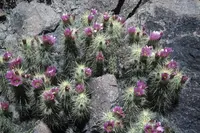
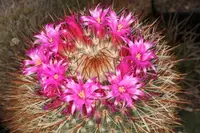
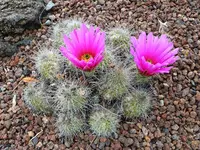
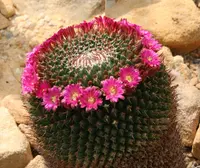
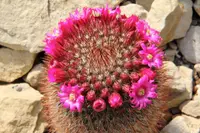
The woolly nipple cactus, Mammillaria nivosa, is a small globular cactus known for its dense white wool and neat rows of short spines. It usually grows as a single ball or forms small clumps over time.

This species comes from arid regions of the Caribbean, where it is adapted to strong sun, high temperatures, and very limited rainfall. Its slow growth, drought tolerance, and compact size make it suitable for windowsills and small indoor collections.

Because it dislikes excess moisture and poor drainage, it can be sensitive to overwatering and heavy soils. Understanding how to care for woolly nipple cactus mainly involves providing bright light, fast-draining soil, and careful watering habits.

Main Plant Requirements

Care Difficulty

Easy Care

Light Preference

Full Sun

Water Requirements

Low Water

Temperature Preference

Warm Climate

Hardiness Zone

9–11

Soil Texture

Sandy, Loamy, Rocky

Soil pH

Slightly acidic (6.5–7.0), Neutral (7.0)

Soil Drainage

Well-drained

Fertilization

Minimal (feed rarely)

Get Personalized Care Plan

Scan your plant to receive care tips personalized for your specific plant

Available on iOS and Android

How to Care for the woolly nipple cactus

This small desert cactus needs strong light to stay compact and flower well.

  • Provide 6–8 hours of direct sun daily, ideally with bright morning sun and slightly filtered light in harsh mid-afternoon, especially in hot climates.
  • It tolerates light partial shade for a few hours, but prolonged shade leads to stretched, pale growth and fewer blooms in woolly nipple cactus.
  • In summer, increase exposure gradually to prevent sunburn; in winter, place where it still receives maximum sun, such as a south-facing position.

This species prefers thorough but infrequent watering that mimics brief desert rains.

  • Water only when the top 3–5 cm of soil are completely dry; use a fast-draining, sandy mix so water runs through within seconds.
  • During active growth in spring–summer, expect to water more often in hot, dry conditions, and much less in cool, humid weather, always guided by soil dryness.
  • In fall–winter, reduce watering sharply; shriveling indicates mild underwatering, while yellowing, soft stems, or a sour smell signal overwatering in Mammillaria nivosa.

This cactus thrives in warm, dry conditions and dislikes prolonged cold or damp.

  • Aim for 70–85°F (21–29°C) during active growth; short spikes up to 95°F (35°C) are tolerated if air is dry and soil is not waterlogged.
  • Protect from frost; it may survive brief dips to 25–30°F (-4– -1°C) if kept absolutely dry, but repeated freezing damages tissue.
  • In winter, a cooler, dry rest at 50–60°F (10–16°C) supports flowering next season, while avoiding humid, chilly conditions that promote rot.

This cactus prefers dry air and handles low humidity better than damp conditions.

  • Aim for 20–40% humidity, similar to a dry indoor room or arid outdoor climate.
  • Dry, corky spots or pale, mushy tissue often indicate humidity combined with overwatering rather than dry air stress.
  • Increase air movement with a small fan and keep it away from kitchens or bathrooms to avoid prolonged high humidity.

Use a very fast-draining, gritty mix to keep roots dry between waterings.

  • Choose a sharply draining, sandy-gritty texture, such as 50–60% mineral components with minimal organic matter.
  • Combine cactus mix with coarse sand, perlite, and small pumice or grit to improve aeration and prevent compaction around the roots.
  • Keep pH slightly acidic to neutral (pH 6.0–7.2), which supports nutrient availability for Mammillaria nivosa without encouraging rot organisms.
  • Avoid dense peat-heavy or clay-heavy mixes that hold water, as these greatly increase the risk of root and stem rot.

This species is very suitable for container growing due to its compact root system.

  • Select a wide, shallow pot that matches the shallow root depth and limits excess wet substrate below the root zone.
  • Use an unglazed terracotta container to allow moisture to evaporate through the pot walls, reducing the chance of persistent dampness.
  • Choose a heavier pot or add top dressing gravel to stabilize the container and prevent tipping as the cactus forms offsets.

This small cactus needs only light feeding to stay healthy in containers.

  • Use a diluted balanced liquid cactus fertilizer (around 10-10-10) at 1/4–1/2 strength in well-watered soil.
  • Feed woolly nipple cactus every 4–6 weeks during the warm growing season if growth is active.
  • Avoid compost or rich organic fertilizers that retain moisture and can cause root rot.
  • Stop feeding in fall and winter when growth slows or stops, to maintain a natural rest period.

Pruning needs for Mammillaria nivosa are minimal and mainly hygienic.

  • Best time for any pruning is late spring to summer, when the plant is actively growing.
  • Use clean, sharp scissors or small pruning snips to remove dead, shriveled, or diseased stems only.
  • Trim off damaged or scarred heads at the base to refine the mound shape and encourage offsetting nearby.
  • Disinfect tools before and after use to reduce the risk of fungal and bacterial infections.

Container-grown plants benefit from occasional repotting into fresh, very free-draining mix.

  • Repot every 3–4 years or when roots circle the pot, drainage slows, or growth becomes noticeably slower.
  • Plan repotting for late spring, allowing warm temperatures and bright light to support recovery.
  • Handle the cactus with folded newspaper or tongs, gently loosen old soil, and trim only rotten roots.
  • Replant at the same depth in dry cactus mix, then wait 5–7 days before light watering to limit root stress.

Mammillaria nivosa is commonly propagated by offsets and seeds under warm, bright conditions.

  • Detach offsets in late spring or early summer, cutting cleanly at the base with a sterile knife.
  • Allow cut surfaces to callus for several days before placing on barely moist, gritty cactus mix.
  • Maintain bright, indirect light and warmth around 70–80°F to support rooting of offsets.
  • For seeds, sow on the surface of sterile mix, keep slightly moist, and provide gentle bottom warmth for germination.

Winter care focuses on keeping this cactus dry and above freezing temperatures.

  • Mammillaria nivosa is not frost hardy and should be kept above 35–40°F to avoid tissue damage.
  • Move outdoor containers indoors to a bright, cool, and dry spot before nights drop near freezing.
  • Provide almost no water in winter, just enough to prevent severe shriveling of stems.

Care Tips

Offset management

Remove offsets with a sterile, thin knife only when they are at least one-third the size of the mother plant, then let the cut surfaces dry for 5–7 days before replanting to reduce rot risk and encourage clean clumping.

Seasonal light acclimation

If moving the plant outdoors for summer, gradually increase sun exposure over 10–14 days by starting in bright shade and slowly shifting to more direct light to prevent epidermis scorching on the woolly areoles.

Targeted pest checks

Inspect the woolly areoles and the base of the plant with a hand lens every 4–6 weeks for mealybugs and spider mites, and if found, spot-treat only the affected areas with a cotton swab dipped in isopropyl alcohol to avoid over-wetting the stem.

Container stability

Choose a heavy, low clay or ceramic pot and top-dress the soil with a thin layer of coarse gravel so the plant remains stable and upright as the cluster enlarges, reducing the chance of mechanical damage to the spines.

Winter rest handling

During winter dormancy, keep the plant completely dry and rotate the pot only if necessary, as frequent repositioning under low light can cause uneven growth and weak tissue that is more prone to splitting when active growth resumes.

Common Pests and Diseases

Mealybugs

This pest often hides in the woolly areoles and between tubercles, feeding on plant sap and weakening the cactus over time. Symptoms include white cottony clusters, stunted growth, and sticky honeydew on the spines or pot surface.

Solution

Isolate the plant, then remove visible insects with a cotton swab dipped in 70% isopropyl alcohol, taking care to work deep into the wool without soaking the stem. Improve light and airflow, avoid overfertilizing, and repeat spot treatment weekly; for heavy infestations, use a systemic insecticide labeled for cacti according to package directions.

Spider mites

These insects thrive in hot, very dry indoor air and can colonize the dense spination, causing tiny yellow speckles and a dull, dusty look to the stem. Symptoms include fine webbing around areoles and gradual loss of the plant’s normal green color.

Solution

Rinse the cactus thoroughly with a strong but controlled stream of water, directing it mainly over the spines and avoiding waterlogged soil. Increase humidity around the plant slightly without keeping it wet, improve airflow, and use a miticide or insecticidal soap labeled for mites, applied carefully to the spine surface where contact is possible.

Scale insects

This pest appears as small, hard, brown or gray bumps that cling to ribs and between tubercles, often partly hidden by spines. Symptoms include slow decline, yellowing tissue, and sticky residue on the pot or shelf.

Solution

Manually scrape off individual scales with a wooden toothpick or soft brush, then dab remaining insects with 70% isopropyl alcohol. For persistent cases, apply a systemic insecticide suitable for succulents and reduce plant stress by providing strong light and a proper dry rest in winter as part of Mammillaria nivosa care.

Fungal stem spots

This disease is favored by cool, humid conditions and water sitting on the stem, leading to small sunken brown or black lesions that may slowly expand. Symptoms include localized discoloration and firm spots that can later soften if not managed.

Solution

Move the plant to a brighter, drier location and water only at the soil level, allowing the mix to dry fully between waterings. Remove severely affected tissue with a sterile blade if lesions spread, dust cuts with a dry sulfur or copper-based fungicide, and ensure the potting mix is fast-draining to prevent future outbreaks.

Corking from sun or age

Symptoms include tan to brown, rough, bark-like tissue developing on the lower stem, sometimes following sudden exposure to strong direct sun after lower light conditions. This physiological change can be mistaken for disease but usually remains firm and dry, without spreading softness or rot.

Solution

If corked tissue is firm and dry, no treatment is needed beyond adjusting light more gradually to avoid further stress. If any area becomes soft, dark, or expands quickly, cut back watering, improve airflow, and monitor closely, treating as potential fungal infection if deterioration continues.

Interesting Facts

Caribbean limestone specialist

This species is naturally restricted to limestone outcrops on several islands in the Caribbean, where it anchors in very shallow, alkaline, rocky soils exposed to strong sun and wind.

Dense wool as sunshield

The thick white wool and spines on the stem are an adaptation that shades the green tissue from intense tropical sunlight and reduces water loss by trapping a thin layer of still air around the plant.

Short-tubed yellow flowers

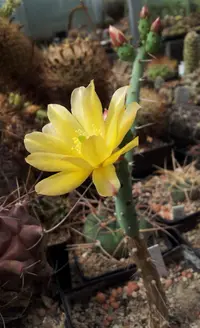
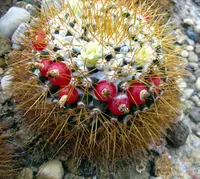
It produces small, funnel-shaped yellow flowers with short tubes that form a loose ring near the stem apex, which later give rise to small red, club-shaped fruits embedded between the tubercles.

Botan icon

Did you know?

In its native Caribbean habitat, this cactus often grows in crevices only a few millimeters wide, where organic debris collects, allowing it to survive in places too harsh and shallow for most other vascular plants.

FAQs about woolly nipple cactus

Lack of flowering usually comes from insufficient light, a pot that is too large, or no cool, dry winter rest. Older, well-lit plants bloom more reliably once slightly pot-bound and given a distinct, drier dormant period.

Grow Healthy Plants with Botan Care

Keep your plants happy and healthy with plant identification, disease detection, and easy care guidance.

Botan plant care app — identify plants on mobile

Explore More Plants