long-spiked glasswort Care (Salicornia procumbens)

long-spiked glasswort

About long-spiked glasswort

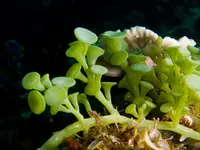
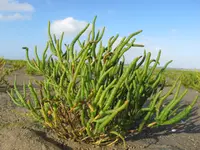
Long-spiked glasswort (Salicornia procumbens) is a low, succulent halophyte, meaning it is adapted to grow in salty environments. It forms fleshy, jointed green stems that often turn reddish toward the end of the season.

This species usually grows in coastal salt marshes, tidal flats, and salty shorelines across temperate regions. Its compact habit and tolerance of salinity and wind make it resilient outdoors but less suited to typical indoor conditions.

It prefers full sun, regular exposure to brackish or salty moisture, and sandy or muddy, poorly drained soils. Understanding these natural conditions is key to how to care for long-spiked glasswort in cultivation.

Main Plant Requirements

Care Difficulty

Moderate Care

Light Preference

Full Sun

Water Requirements

Aquatic

Temperature Preference

Cool Climate

Hardiness Zone

5–9

Soil Texture

Sandy, Silty

Soil pH

Neutral (7.0), Slightly alkaline (7.0–7.5)

Soil Drainage

Waterlogged tolerant

Fertilization

Minimal (feed rarely)

Get Personalized Care Plan

Scan your plant to receive care tips personalized for your specific plant

Available on iOS and Android

How to Care for the long-spiked glasswort

This coastal halophyte thrives in strong sun that mimics open salt-marsh conditions.

  • Provide 6–10 hours of direct sunlight daily; full sun is ideal for compact, fleshy growth and good color in long-spiked glasswort.
  • Tolerates light partial shade, especially with bright morning sun and light afternoon shade, but stems may elongate and turn softer in lower light.
  • In hot inland summers, intense afternoon sun above 95°F (35°C) can scorch tips; use slight shade or reflected light while keeping overall exposure very bright.

This salt-marsh species prefers consistently moist conditions and tolerates brief standing water.

  • Maintain soil that stays moist to wet; do not allow more than the top 1–2 cm to dry, as stems may shrivel or lose turgor when too dry.
  • Use soil or substrate with good drainage but high moisture retention, such as sandy loam with added grit, to prevent stagnant anaerobic pockets.
  • Watch for yellowing, mushy stems as a sign of overwatering with poor aeration, and thin, wrinkled segments as a sign of prolonged underwatering.

This species is adapted to mild coastal climates with cool to warm temperatures and seasonal fluctuation.

  • Optimal growth occurs around 60–77°F (16–25°C), where stems stay firm and photosynthesis runs efficiently without stress.
  • Tolerates brief heat up to about 90–95°F (32–35°C) if soil stays moist; prolonged heat above this can cause tip burn and accelerated aging.
  • Handles cool weather down to about 25°F (-4°C) once established, but repeated hard frosts below this can kill younger shoots and reduce spring regrowth.

This coastal halophyte tolerates low humidity and does not need special indoor humidification.

  • Target ambient humidity around 30–60% to mimic breezy coastal air rather than a saturated, steamy environment.
  • Dry indoor air rarely harms long-spiked glasswort, but extreme dryness plus heat can cause tip shriveling and slowed growth.
  • If stems look flaccid in very dry, hot rooms, increase air movement with a fan rather than adding mist or trays of water.

Salicornia procumbens prefers very sandy, saline, fast-draining substrates rather than typical potting mixes.

  • Use a mix of 60–70% coarse sand or fine grit with 30–40% inert mineral medium such as pumice to keep structure open.
  • Ensure drainage is rapid; the mix should wet easily but feel loose and free-flowing, never sticky or compacted.
  • Aim for alkaline, saline conditions (pH 7.5–8.5) by adding marine salt solution periodically instead of organic-rich fertilizers.
  • Avoid peat-heavy, compost-rich, or clay soils, which hold water and nutrients too strongly and reduce aeration around the roots.

This species can be grown in containers if the pot supports its sprawling habit and very rapid drainage.

  • Choose a broad, shallow pot to accommodate spreading surface roots and prevent the plant from toppling as stems trail over the rim.
  • Use heavy ceramic or clay containers outdoors so wind does not flip the pot when the plant forms dense, sprawling mats.
  • Elevate the container on pot feet or blocks so drainage holes remain clear and runoff saline water does not accumulate under the base.

Salicornia procumbens is a halophyte adapted to nutrient-poor, saline habitats and usually grows well with minimal or no fertilizer.

Salicornia procumbens benefits from light pruning mainly to keep plants tidy and healthy.

  • Carry out any pruning at the end of the growing season, once stems start to toughen or die back.
  • Use clean, sharp scissors or small snips to remove dead, damaged, or discolored shoots at the base.
  • Thin out crowded, weak stems to maintain good airflow and a low, even mat-like shape.
  • Avoid heavy cutting into young, soft growth to reduce stress in this salt-adapted species.

This species is more often transplanted than repotted, as long-spiked glasswort is usually grown in coastal or saline beds or trays.

  • Transplant when growth slows, roots circle the pot, or the plant fills shallow trays, usually in spring.
  • Use a shallow, free-draining, sandy mix with added salt if mimicking natural saline conditions.
  • Lift plants gently, keeping the root mass as intact as possible to limit transplant shock.
  • Replant at the same depth, water lightly with saline or brackish water, and shade for a few days to reduce stress.

Salicornia procumbens is typically propagated by seed under controlled saline and moisture conditions.

  • Sow fresh seeds in late winter to early spring in shallow trays with sandy, free-draining, slightly salty substrate.
  • Press seeds onto the surface or barely cover, as light helps germination in many halophytes.
  • Keep the medium evenly moist with brackish water and maintain cool to mild temperatures, around 55–65°F.
  • When seedlings have several joints, harden off gradually, then transplant carefully to final saline beds or containers.

This coastal annual or short-lived perennial usually needs little winter care where winters are mild and soils stay well drained.

  • In frost-prone areas, treat plants as annuals and allow natural dieback after seed set.
  • For container plants, move trays to a cool, bright, frost-free spot if temperatures drop below about 25°F.
  • Avoid waterlogged conditions in winter, as saturated, cold substrates increase root and stem rot risk.

Care Tips

Use saline trays

Stand pots in shallow trays filled with 1–2 cm of weak saline solution (for example 1–2 tsp non-iodized sea salt per 1 L water) during active growth to mimic tidal wetting, then let trays dry out fully before the next refill to avoid constant waterlogging.

Gradual salt acclimation

When shifting plants from regular freshwater regimes to more brackish conditions, increase salt concentration in irrigation water in small steps over 2–3 weeks to avoid osmotic shock and tissue burn.

Regular tip harvesting

Pinch or cut only the tender top 3–5 cm of shoots every 1–2 weeks during peak growth to encourage fresh side-shoot production and maintain a compact, dense stand suitable for culinary use.

Outdoor tidal mimicry

In outdoor containers, group pots in a low tray or shallow basin and flood once daily during warm weather, allowing the water to drain away completely within a few hours to simulate natural tidal cycles when growing long-spiked glasswort.

Salinity monitoring

If using salt-enriched water regularly, test the leachate or tray water EC (electrical conductivity) every few weeks with a simple meter and periodically flush pots with plain water to prevent extreme salt buildup that can halt growth.

Common Pests and Diseases

Downy mildew

This disease causes pale, yellowed patches on succulent shoots and a grey to purplish downy growth on shaded surfaces in humid, cool conditions.

Solution

Remove and destroy affected stems, avoid overhead irrigation in cooler periods, and improve air movement around plantings; in field culture, wide spacing and irrigating early in the day help foliage dry quickly and reduce infection pressure.

Black band disease

This disease forms dark, almost black necrotic bands on the lower parts of shoots, which can progress upward and lead to dieback in dense stands, especially under prolonged waterlogging stress.

Solution

Cut out and discard heavily affected plants, avoid excessive organic enrichment that favors pathogenic fungi, and maintain good water exchange so that saline water does not stagnate around the bases of the plants.

Saltern aphids

These insects cluster on young, tender segments and shoot tips, sucking sap and causing distortion, yellowing, and sticky honeydew deposits that may encourage sooty molds.

Solution

Rinse colonies off plants with a firm stream of clean, non-brackish water, encourage natural predators such as lady beetles where possible, and, for small plantings, pinch off heavily infested tips before populations build up, which is a practical part of overall Salicornia procumbens plant care.

Stem-boring midges

This pest involves larvae that tunnel inside fleshy stems, causing localized swelling, reddening, or collapse of affected segments and reduced branching.

Solution

Prune and dispose of damaged stems before larvae complete development, avoid leaving plant debris on site where adults can emerge and reinfest, and use crop rotation or fallow periods in small-scale cultivation beds to break the life cycle.

Interesting Facts

Extreme salt specialist

This species is a halophyte, meaning it not only tolerates but actually requires saline conditions, and it concentrates excess salt in its succulent jointed stems, which later shed to remove salt from the plant.

Key saltmarsh engineer

It often colonizes low, frequently flooded zones of Atlantic saltmarshes and pannes, helping trap sediment and organic matter and contributing to the early stages of saltmarsh formation and stabilization.

Color change in autumn

Its fleshy green stems typically turn reddish or purple by late summer to autumn due to pigment changes, which can create striking red patches in saltmarsh landscapes in Europe and the eastern North Atlantic coasts.

Botan icon

Did you know?

Populations once broadly referred to as Salicornia europaea have been split by modern taxonomic work using morphology and molecular data, with Salicornia procumbens now recognized as a distinct, more prostrate species characteristic of Atlantic coasts from Europe to North America.

FAQs about long-spiked glasswort

Yes, the young, tender shoots are edible and often eaten raw or lightly cooked. They have a crisp, salty flavor. Harvest from unpolluted coastal or saline areas only, and rinse well to remove surface salt and debris.

Grow Healthy Plants with Botan Care

Keep your plants happy and healthy with plant identification, disease detection, and easy care guidance.

Botan plant care app — identify plants on mobile

Explore More Plants