Buckley's yucca Care (Yucca constricta)

Buckley's yucca

About Buckley's yucca

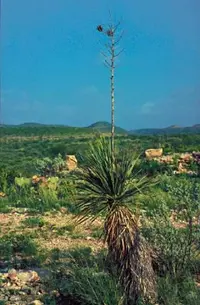
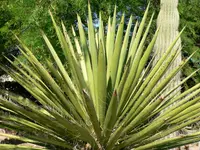
Buckley's yucca (Yucca constricta) is a small, trunkless yucca native to rocky prairies and limestone outcrops in Texas and northern Mexico. It forms dense clumps of narrow, stiff leaves with curly white fibers along the edges. Tall flower stalks rise above the foliage, carrying clusters of creamy white, bell-shaped blooms. This species is naturally adapted to intense sun, heat, and drought, which makes it a durable choice for dry gardens and low-maintenance landscapes. It prefers very well-drained, gritty soil and sparse watering, and those traits shape how to care for Buckley's yucca in cultivation.


Main Plant Requirements

Care Difficulty

Easy Care

Light Preference

Full Sun

Water Requirements

Low Water

Temperature Preference

Warm Climate

Hardiness Zone

6–10

Soil Texture

Sandy, Loamy, Rocky

Soil pH

Slightly acidic (6.5–7.0), Slightly alkaline (7.0–7.5)

Soil Drainage

Well-drained

Fertilization

Minimal (feed rarely)

Get Personalized Care Plan

Scan your plant to receive care tips personalized for your specific plant

Available on iOS and Android

How to Care for the Buckley's yucca

Yucca constricta is a sun-loving desert species that thrives in strong, direct light.

  • Provide 6–10 hours of direct sun daily; full sun is ideal in open, unshaded spots, especially in arid or semi-arid climates when growing Buckley's yucca.
  • In hotter regions, give full morning sun with light afternoon shade to reduce leaf scorch, particularly during midsummer heatwaves.
  • Too little sun leads to pale, weak leaves and sparse growth; gradually increase exposure if moving from shade to sun to avoid sudden burn.

Yucca constricta is highly drought-tolerant and prefers infrequent, deep watering.

  • Let the top 5–8 cm of soil dry completely before watering; in very sandy ground this may mean long gaps between waterings after rain.
  • During hot, dry periods, water only when leaves start to look slightly dull or lose firmness, then drench and allow soil to drain fully.
  • Avoid constantly wet or poorly drained soil, which causes root rot, yellowing, and mushy leaves; underwatering is usually safer than overwatering for this species.

This species tolerates wide temperature swings but performs best in warm, dry conditions.

  • Optimal growth occurs around 70–90°F (21–32°C), typical of hot summers with strong sun and low humidity.
  • Mature plants can survive brief drops to about 10–20°F (-12 to -6°C) if soil is very well drained, but prolonged freezing increases damage risk.
  • In extreme heat above 100°F (38°C), plants usually cope if soil stays dry and there is airflow; avoid reflected heat pockets that can scorch foliage.

This species handles typical indoor humidity well and rarely needs special adjustment.

  • Target 30–50% relative humidity, similar to most heated or air‑conditioned homes.
  • Tolerates dry air; only very prolonged air below 25% may cause brown leaf tips and marginal crisping.
  • If air is extremely dry, group plants together or place the pot near (not on) a pebble tray to slightly raise local humidity.

Yucca constricta prefers a very fast-draining, mineral, desert-like substrate.

  • Use a gritty mix: roughly 50–60% coarse sand or fine gravel with 40–50% cactus potting mix for sparse organic matter.
  • Ensure water drains through within seconds; add extra pumice or perlite if water lingers or the surface stays wet for hours.
  • Aim for slightly acidic to slightly alkaline conditions (pH 6.5–7.5), avoiding peat-heavy mixes that stay compact and soggy.
  • For long-term Yucca constricta care, avoid dense clay, unamended garden soil, or any mix that clumps when squeezed in the hand.

This species is suitable for container growing when the pot is chosen to match its deep, fibrous root system and top-heavy form.

  • Select a pot deeper than it is wide so roots anchor firmly and the tall rosette does not rock in wind.
  • Choose a heavy, non-tipping container (such as thick terracotta or concrete) to stabilize the narrow, upright growth.
  • Raise the pot slightly on feet or bricks so drainage holes stay clear and runoff escapes quickly after heavy rain or watering.

Yucca constricta is adapted to lean soils and needs only light feeding in cultivation.
  • Use a balanced, diluted liquid fertilizer (around 10-10-10) or a very light layer of compost in spring.
  • Feed once at the start of the growing season, and at most once more in mid-summer for container plants.
  • Apply at 1/2–1/4 strength to avoid salt buildup and root burn in this desert-adapted species.
  • Stop feeding in fall and winter, when growth slows and extra nutrients are not used.

Yucca constricta benefits from minimal, targeted pruning to keep rosettes healthy and tidy.

  • Best time is late winter to early spring, before strong new growth begins.
  • Remove dead, damaged, or pest-infested leaves at the base with clean, sharp pruners.
  • Thin crowded rosettes only if needed to improve airflow and maintain a balanced outline.
  • Cut old flower stalks down to the base once seed set is finished to keep the plant neat.

This species is usually grown in the ground, so focus on careful transplanting rather than frequent repotting.

  • Transplant in late spring when soil has warmed and new growth is starting.
  • Move only when necessary, such as poor drainage, crowding, or declining vigor, typically every several years.
  • Water well a day before moving, then dig a broad root ball and keep roots shaded and slightly moist during the move.
  • Replant in sharply drained soil, keep the plant at the same depth, and water lightly for 2–3 weeks to reduce stress.

Buckley's yucca is most often propagated by offsets and stem cuttings rather than seed for home growers.

  • Divide or remove offsets in late spring to early summer when plants are actively growing.
  • For offsets, keep a good portion of roots attached, allow cut surfaces to dry for 1–2 days, then plant in gritty, fast-draining mix.
  • Use stem cuttings from healthy shoots, air-dry the cut ends, then insert into barely moist, sandy medium with bright, indirect light.
  • Seed propagation is slower; sow fresh seed in a warm (70–80°F), well-drained mix and keep slightly moist until germination.

This yucca is fairly cold hardy but benefits from some attention in harsh winter climates.

  • Established plants tolerate light to moderate frost, but very wet winter soil increases rot risk.
  • Apply a 5–8 cm layer of dry mulch around the root zone in colder regions, keeping it off the crown.
  • In very exposed or windy sites, loosely tie or sleeve leaves to limit ice damage and breakage.
  • Container plants in cold areas should be moved to a bright, cool, frost-free spot and kept almost dry.

Care Tips

Deep root establishment

During the first growing season in the ground, apply a slow, infrequent but thorough soak that penetrates 20–30 cm to encourage a deep, drought-resilient root system rather than frequent light watering that keeps roots shallow.

Rock mulch use

Surround the base with a 5–8 cm layer of coarse gravel or small rocks instead of organic mulch to keep the crown dry, reflect heat, and prevent rot around the leaf bases.

Basal offset management

Inspect the base once or twice a year and selectively remove extra pups with a clean, sharp knife to prevent overcrowding, then replant the offsets in a similarly dry, sunny site if new plants are desired.

Winter moisture control

In regions with wet winters, slightly mound the planting site and slope the soil away from the crown so excess rain drains off quickly, reducing the risk of root and crown rot.

Safe handling practice

Wear sturdy gloves and long sleeves when pruning or moving the plant, and use long-handled tools to navigate the stiff, narrow leaves, which helps make caring for Buckley's yucca safer and more controlled.

Common Pests and Diseases

Yucca plant bug

This pest feeds on leaves and flowers, causing stippling, pitting, and brown speckling on the foliage. Symptoms include distorted new growth and reduced vigor, especially on stressed plants in hot, dry sites.

Solution

Prune out heavily damaged flower stalks and leaves, then spray remaining foliage with a strong stream of water to dislodge bugs and nymphs. If populations remain high, use a targeted insecticidal soap or a pyrethrin-based product in the evening, coating leaf surfaces and repeating as needed according to label directions.

Yucca moth caterpillars

These insects are larvae of yucca moths that tunnel into the flower stalk and seed pods, leaving frass and causing premature yellowing or collapse of the inflorescence. This is common in natural stands where the moth also pollinates the flowers.

Solution

Cut and remove affected flower stalks and seed pods as soon as tunneling or frass is seen, and dispose of them in the trash to break the life cycle. In landscape settings where seed is not needed, removing spent flowers promptly each year limits larval development without chemical treatment, which is usually unnecessary for Yucca constricta plant care.

Scale insects

These insects attach along leaf margins and at the base of leaves, appearing as small, dome-like bumps that may exude sticky honeydew. Symptoms include yellowing, localized chlorosis, and sooty mold growth on the honeydew in humid conditions.

Solution

Physically remove scales on accessible leaves using a soft brush or cloth dipped in soapy water, then rinse the plant thoroughly. For persistent infestations, apply a horticultural oil spray, ensuring full coverage of leaf bases and undersides during mild temperatures to avoid leaf burn.

Leaf spot (fungal)

This disease causes small tan to brown spots or lesions on leaves, sometimes surrounded by a yellow halo, often starting on older or lower foliage. Symptoms include gradual cosmetic damage rather than rapid plant decline, but spots can merge and mar the rosette appearance.

Solution

Remove and discard affected lower leaves to reduce inoculum, and avoid wetting the foliage when watering. Improve air circulation around the rosettes and, in very wet climates or seasons, consider a copper-based fungicide labeled for ornamental foliage if new spotting continues to spread.

Bacterial leaf blight

This disease produces water-soaked, dark, irregular lesions along leaf margins or tips, which may spread rapidly in warm, wet conditions. Symptoms include foul odor in advanced infections and collapse of affected leaf tissue.

Solution

Promptly remove and discard all visibly infected leaves, cutting back into healthy tissue with sterilized tools and disinfecting between cuts. Reduce overhead irrigation, increase spacing and airflow, and avoid wounding leaf bases; in severe or recurring cases, consider replacing heavily affected plants in that location to prevent ongoing bacterial buildup.

Interesting Facts

Narrow, curling leaves

This species has very slender, stiff leaves whose margins bear curly, thread-like fibers that often peel away from the edges, giving the rosette a distinctive, tousled appearance compared with many other yuccas.

Translucent leaf tip

The spine at the tip of each leaf often has a translucent, glassy look, which helps distinguish it from some similar Southwestern yucca species that have darker or opaque terminal spines.

Limestone specialist

It naturally occurs on thin, rocky soils over limestone in central Texas, where its deep root system allows it to anchor in rock crevices and tolerate intense drought and full sun exposure.

Botan icon

Did you know?

This species frequently hybridizes in the wild with nearby yuccas such as Yucca arkansana, creating naturally occurring intermediate plants that can make field identification challenging even for specialists.

FAQs about Buckley's yucca

Brown tips usually result from accumulated salts from fertilizer, very low humidity, or past underwatering. Flush the soil thoroughly, reduce fertilizer frequency, and remove only the driest tips with clean scissors to prevent further tearing.

Grow Healthy Plants with Botan Care

Keep your plants happy and healthy with plant identification, disease detection, and easy care guidance.

Botan plant care app — identify plants on mobile

Explore More Plants