Staggered Harvesting
Cut outer stems 2–3 cm above the soil line rather than pulling whole plants, which encourages continuous regrowth and extends the productive season when growing Japanese honewort.

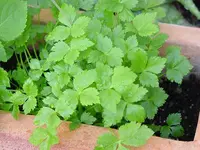
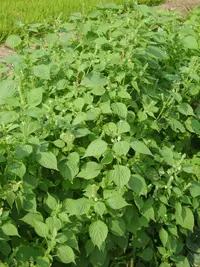
Japanese honewort, Cryptotaenia japonica, is a perennial herb grown for its aromatic leaves and tender stems. It belongs to the carrot family and forms soft clumps of divided, parsley-like foliage.
The plant is native to East Asia, where it grows in moist, partly shaded woodland environments. It stays relatively compact and spreads slowly by short rhizomes and self-sowing.
Japanese honewort is generally easy to grow if it receives consistent moisture, rich soil, and protection from strong sun. Understanding how to care for Japanese honewort helps keep growth leafy, tender, and suitable for repeated harvesting in the garden or kitchen.

Care Difficulty
Moderate Care

Light Preference
Partial Shade

Water Requirements
Keep Soil Moist

Temperature Preference
Cool Climate

Hardiness Zone
4–9

Soil Texture
Loamy, Silty, Organic-rich

Soil pH
Acidic (5.5–6.5), Slightly acidic (6.5–7.0)

Soil Drainage
Moist but well-drained

Fertilization
Light (every 4–6 weeks)
Scan your plant to receive care tips personalized for your specific plant
Available on iOS and Android
This shade-tolerant herb prefers soft, indirect light rather than intense sun exposure.
Moist, well-drained soil supports steady, leafy growth for this herb.
This cool- to mild-weather herb prefers moderate temperatures and does not handle extremes well.
This species prefers moderately moist air but usually adapts to typical home humidity.
This plant grows best in consistently moist, loose, organic-rich soil.
Cryptotaenia japonica is well suited to container growing for easy access and controlled moisture.
Cryptotaenia japonica benefits from light, consistent feeding during its active growing season.
Pruning helps keep Cryptotaenia japonica compact, leafy, and productive for culinary use.
This plant tolerates division and moving well when handled during cool, mild weather.
Cryptotaenia japonica is commonly multiplied by seed and division for consistent, vigorous plants.
This herb is moderately cold hardy and usually needs only simple winter care in temperate climates.

Plant Health Check
Not sure what's wrong with your plant? Check your plant's health inside the app.
This species is naturally found on moist, shaded forest floors and stream banks in East Asia, where it grows as an understory herb in cool, humus-rich soils.
The leaves and young stems are widely used in Japanese and Korean cuisine as a fresh herb with a mild parsley–celery aroma, often added raw to soups, salads, and tempura.
Different regional forms, such as the Japanese mitsuba type and the Korean seombadi, show variation in leaf shape and plant size, yet belong to the same species and can cross-pollinate freely.

In Japan, this plant has been cultivated as a traditional vegetable for centuries, and selected forms are maintained as named landraces, reflecting regional food culture and local adaptation rather than modern commercial breeding.
Yes, this herb is edible and traditionally used in East Asian cuisine. Young leaves, stems, and sometimes roots are eaten raw, cooked, or as garnish. Always confirm correct identification and avoid harvesting from polluted or treated areas.
Keep your plants happy and healthy with plant identification, disease detection, and easy care guidance.